
Industrial automation has become a major force reshaping manufacturing and industrial operations. By using control systems, robotics, sensors, software, and advanced machinery to perform production tasks with limited human intervention, automation enables businesses to improve efficiency, quality, safety, and productivity. As industries face increasing competition, changing customer expectations, and pressure to control operational costs, industrial automation is becoming an important part of modern manufacturing strategies.
One of the primary advantages of industrial automation is improved productivity. Automated machines can perform repetitive tasks continuously with consistent speed and accuracy. Unlike manual processes, automated systems can operate for extended periods with fewer interruptions. This allows manufacturers to increase production capacity while maintaining consistent output.
Robotics is one of the most visible elements of industrial automation. Industrial robots are widely used for welding, assembly, painting, packaging, material handling, and inspection. Collaborative robots, often known as cobots, are designed to work alongside human employees and can assist with repetitive or physically demanding tasks. Their flexibility makes them particularly useful for manufacturers handling different products or smaller production volumes.
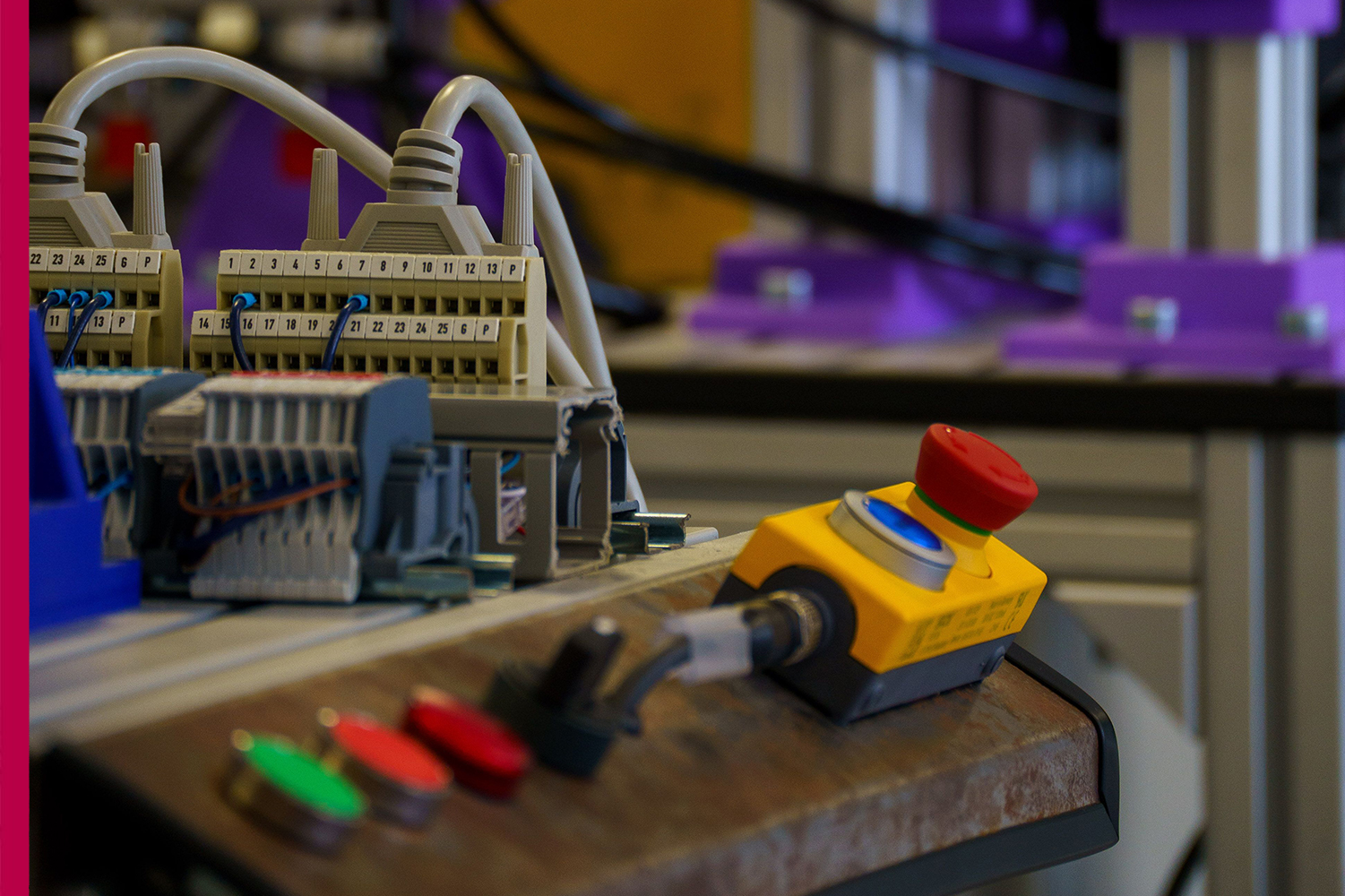
Sensors and connected devices are also essential to automated manufacturing environments. Sensors can monitor temperature, pressure, vibration, speed, position, and other operating conditions in real time. This information allows machines and control systems to respond automatically when conditions change. Connected equipment can also provide valuable operational data that helps managers understand production performance.
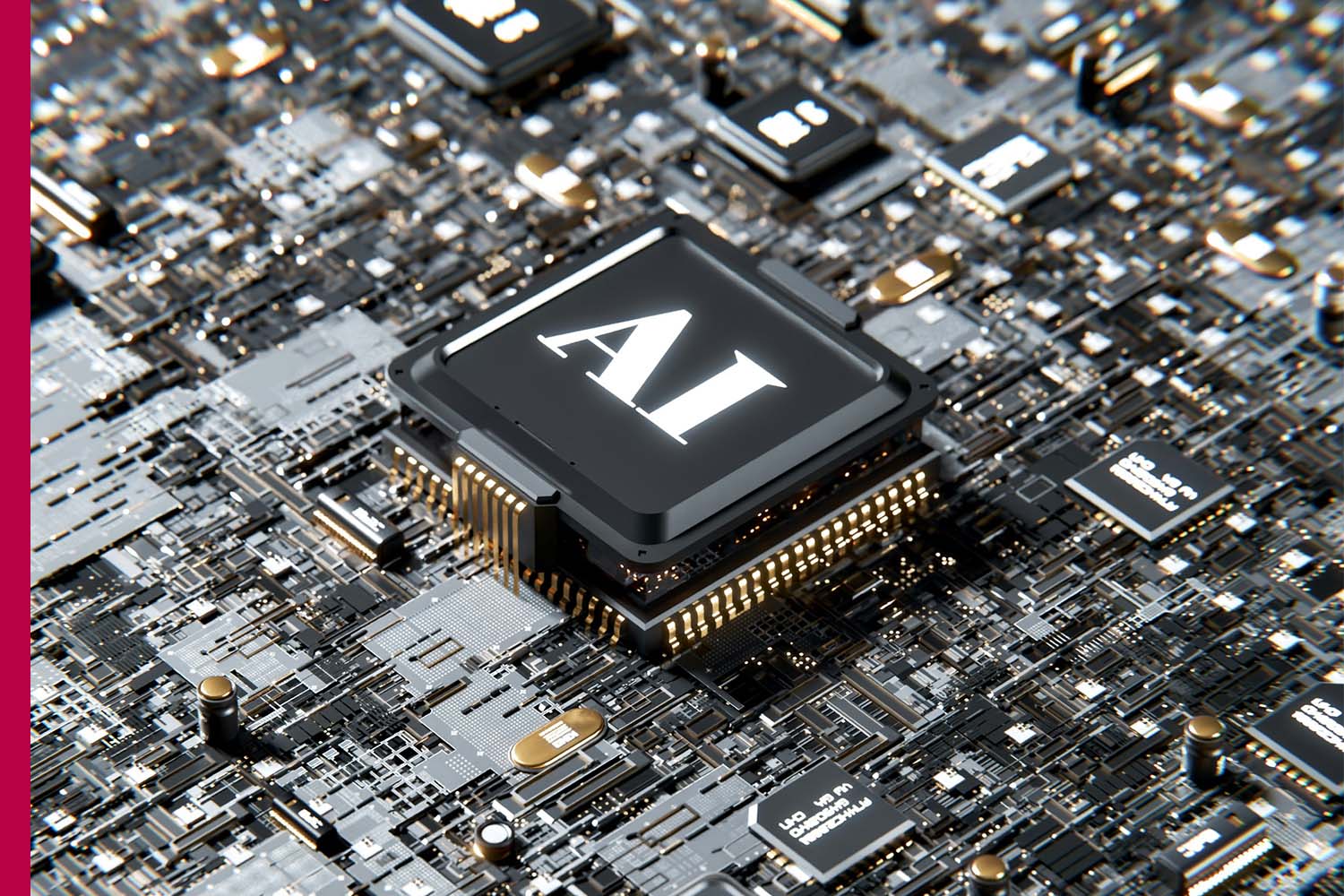
Automation is closely connected to Industry 4.0, which represents the integration of digital technologies with industrial production. Smart factories combine automation with the Internet of Things (IoT), cloud computing, data analytics, artificial intelligence, and connected machinery. These technologies allow manufacturers to monitor production processes in real time and make faster, data-driven decisions.
Predictive maintenance is another important application. Traditional maintenance often depends on fixed schedules or repairs after equipment fails. Automated monitoring systems can identify unusual vibrations, temperature changes, or performance patterns that may indicate an upcoming equipment problem. Manufacturers can then schedule maintenance before a major breakdown occurs, reducing downtime and unexpected repair costs.
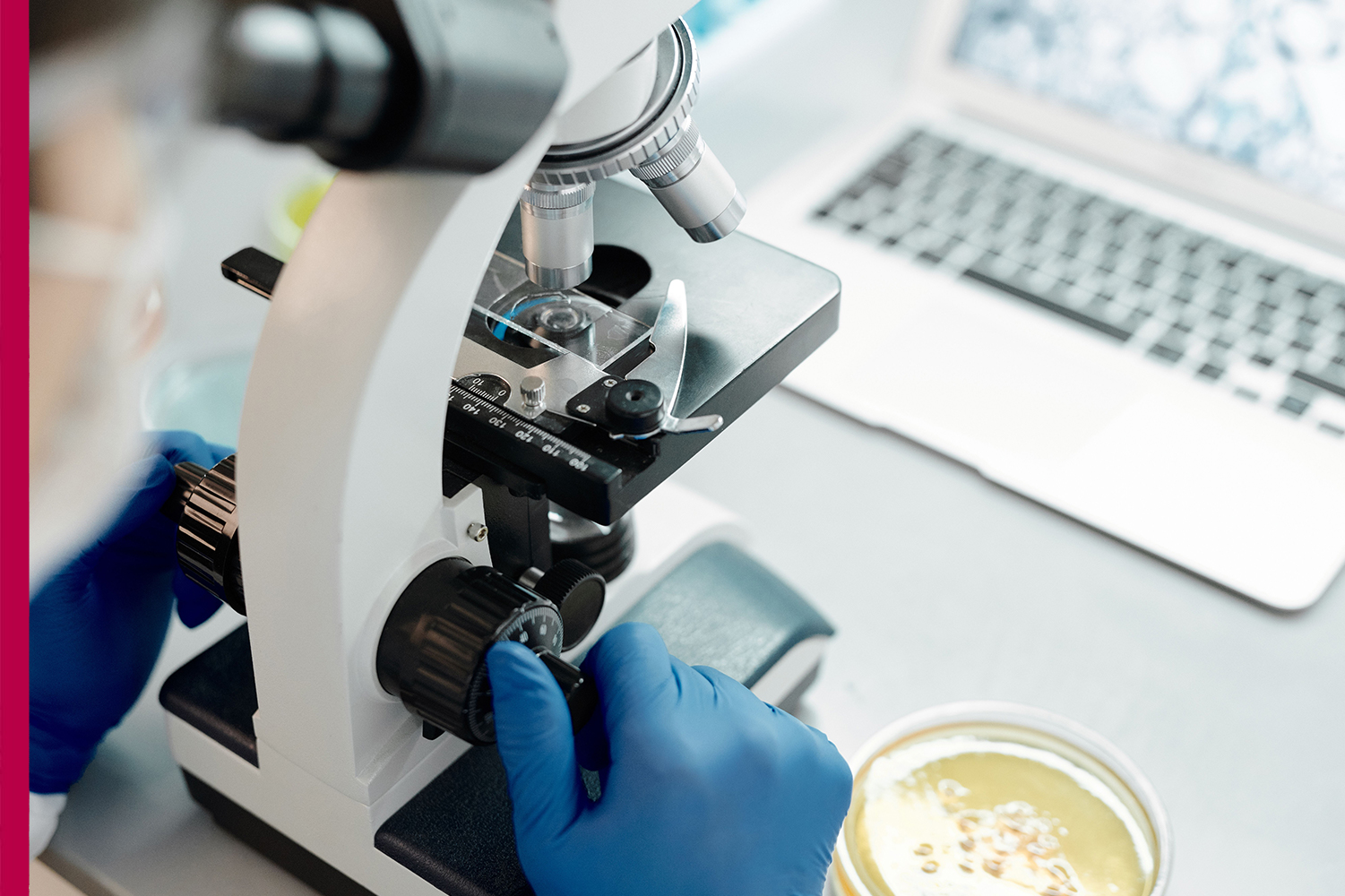
Quality control has also benefited from automation. Computer vision systems and automated inspection equipment can examine products for defects with high speed and consistency. These systems can detect issues that may be difficult for human inspectors to identify during high-volume production. Automated quality control helps reduce defective products and maintain consistent manufacturing standards.
Worker safety is another major benefit. Automation can perform tasks involving extreme temperatures, hazardous chemicals, heavy materials, repetitive movements, or other dangerous conditions. By moving high-risk activities away from workers, automated systems can create safer working environments. Employees can instead focus on supervision, maintenance, programming, and other higher-value responsibilities.
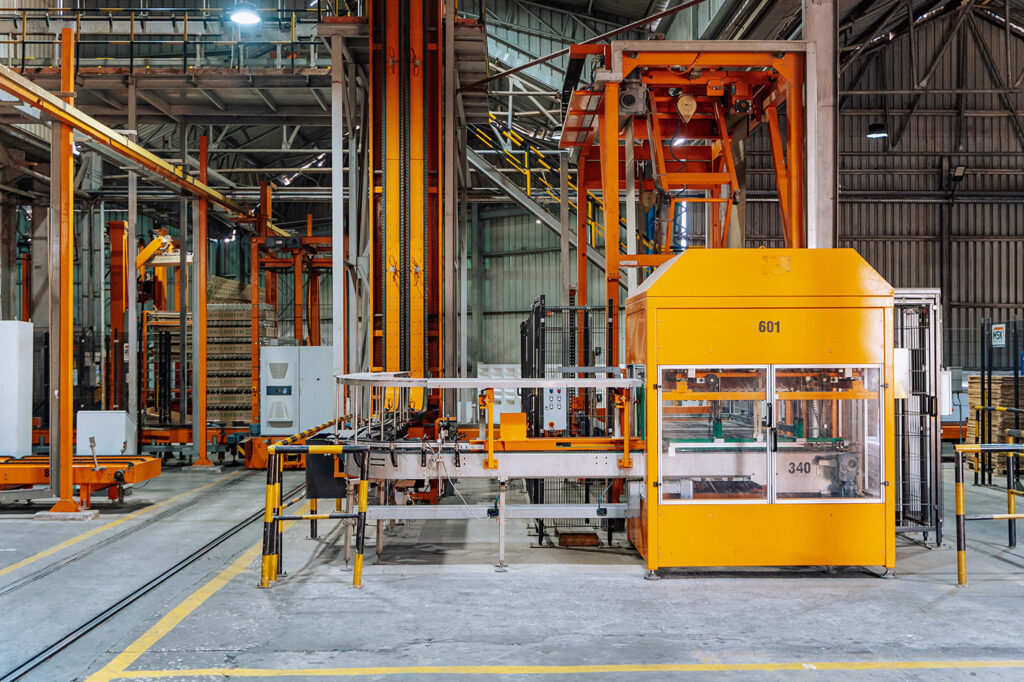
Automation is also changing warehouse and logistics operations. Automated storage and retrieval systems, conveyor systems, robotic vehicles, and intelligent inventory platforms help manufacturers move materials efficiently. These technologies improve inventory accuracy and reduce the time required to transport components between different stages of production.
Despite its advantages, industrial automation presents challenges. Installing advanced machinery and digital systems requires significant investment. Businesses may also need to upgrade existing infrastructure, train employees, and redesign production processes. Smaller manufacturers can face particular difficulties when adopting expensive automation technologies.
Workforce development is therefore an important part of automation. Rather than simply replacing manual tasks, modern automation is creating demand for technicians, engineers, programmers, data specialists, and maintenance professionals. Employees need training in robotics, digital systems, machine operation, and data analysis to work effectively alongside automated technologies.
Cybersecurity has also become increasingly important. Connected industrial equipment can create new digital entry points for cyberattacks. Manufacturers must protect operational technology through network security, access controls, monitoring, software updates, and employee awareness.
Looking ahead, industrial automation will become increasingly intelligent and connected. Artificial Intelligence, advanced robotics, digital twins, machine learning, and autonomous systems will enable factories to respond more dynamically to changing production requirements. Flexible automation will allow manufacturers to produce customized products while maintaining efficient operations.
In conclusion, industrial automation is transforming manufacturing by improving productivity, quality, safety, and operational efficiency. Its integration with digital technologies is creating smarter and more connected factories capable of responding quickly to changing market demands. Although automation requires investment, workforce development, and strong cybersecurity, its long-term potential makes it a fundamental component of the future of modern industry.