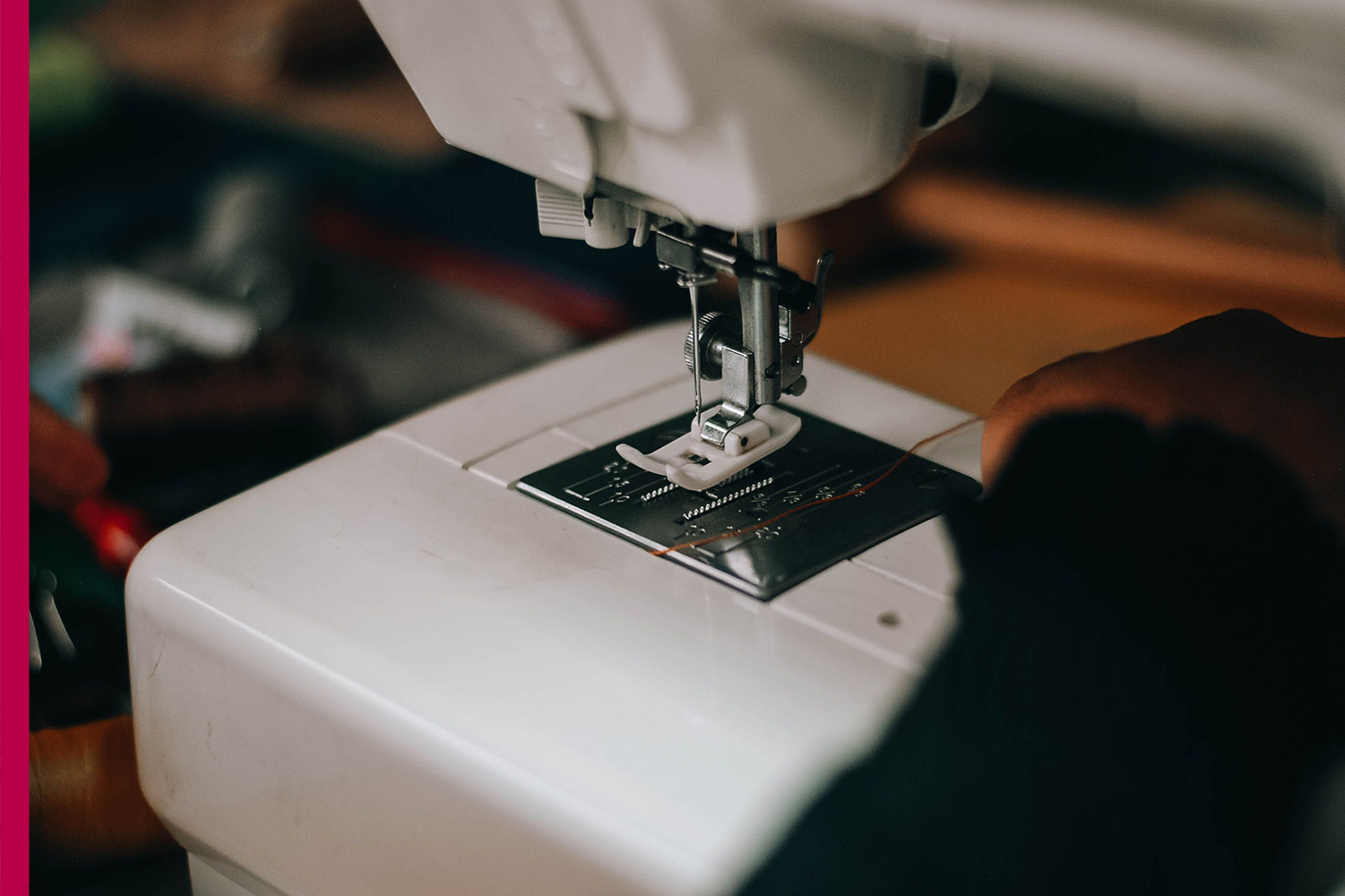




Textile innovation is reshaping one of the world’s oldest industries by combining traditional craftsmanship with advanced materials, digital technologies, sustainable manufacturing, and changing consumer preferences. From clothing and home furnishings to automotive interiors, healthcare products, and industrial applications, textiles play an important role across multiple sectors. As demand for performance, sustainability, comfort, and customization continues to grow, innovation is helping the textile industry develop products that are more efficient, functional, and environmentally responsible.
One of the most important areas of textile innovation is the development of sustainable materials. Manufacturers are exploring recycled fibers, organic materials, biodegradable fabrics, and plant-based alternatives to reduce dependence on conventional raw materials. Recycled polyester, regenerated fibers, organic cotton, bamboo-based materials, and other innovative fibers are increasingly being incorporated into modern textile production. These developments can help reduce waste and improve resource efficiency throughout the textile lifecycle.
Smart textiles represent another major advancement. These fabrics are designed to interact with their environment or respond to specific conditions. Some smart textiles can monitor temperature, moisture, movement, or other physical characteristics. They have applications in sportswear, healthcare, protective clothing, and industrial products. Wearable textiles with embedded sensors are creating new possibilities for monitoring health and physical performance while maintaining the comfort and flexibility of conventional fabrics.
Technical textiles are expanding the role of textiles beyond traditional clothing. These specialized materials are engineered to provide specific functional properties such as strength, fire resistance, water resistance, insulation, filtration, or durability. Technical textiles are used in construction, automotive manufacturing, agriculture, medical applications, aerospace, and defense. Their growing use demonstrates how textile innovation is contributing to industries far beyond fashion.
Digital textile printing has transformed textile design and manufacturing. Unlike traditional printing methods that may require extensive preparation and large production quantities, digital printing allows manufacturers to produce highly detailed designs with greater flexibility. It supports shorter production runs, customized patterns, rapid design changes, and reduced material waste. Designers can experiment with colors and patterns more efficiently while responding quickly to changing market trends.
Automation is also improving textile manufacturing. Modern production facilities use automated cutting machines, computerized looms, robotic handling systems, and advanced quality-control technologies. Automation improves consistency, reduces production errors, and increases manufacturing efficiency. Data-driven production systems also allow manufacturers to monitor equipment performance and identify potential problems before they cause significant disruptions.
Artificial Intelligence is increasingly being explored within textile design and production. AI-powered systems can analyze fashion trends, consumer preferences, color combinations, and market demand to support product development. Predictive analytics can help manufacturers plan production volumes and reduce excess inventory. AI can also assist with quality inspection by identifying defects in fabrics more quickly and consistently.
Sustainability has become a central focus of textile innovation. Textile manufacturing can consume significant amounts of water, energy, and chemicals, making resource efficiency an important priority. Manufacturers are developing low-water dyeing processes, energy-efficient machinery, non-toxic dyes, and closed-loop production systems. Recycling and circular production models are also helping reduce textile waste by keeping materials in use for longer periods.

The concept of circular textiles is gaining momentum as brands and manufacturers seek alternatives to the traditional linear model of producing, using, and discarding clothing. Designing products for durability, repairability, reuse, and recycling can extend their useful life and reduce waste. Textile recycling technologies are also being developed to recover fibers from discarded garments and transform them into new materials.
Innovation is also improving the performance and comfort of everyday fabrics. Moisture-wicking materials, lightweight fibers, stretchable fabrics, odor-resistant textiles, temperature-regulating materials, and antimicrobial fabrics are increasingly used in sportswear, healthcare, and everyday clothing. These developments allow textiles to offer functionality in addition to appearance.
Despite rapid innovation, the textile industry faces challenges such as high technology investment costs, recycling complexities, supply chain issues, and the need for skilled workers. Successful adoption of innovative technologies requires collaboration among manufacturers, designers, researchers, governments, and consumers.
In conclusion, textile innovation is transforming the industry through sustainable materials, smart fabrics, digital printing, automation, technical textiles, and advanced manufacturing. These developments are creating products that are more functional, efficient, customizable, and environmentally responsible. As technology and sustainability become increasingly interconnected, textile innovation will remain an important force shaping the future of manufacturing, fashion, healthcare, transportation, and numerous other industries.