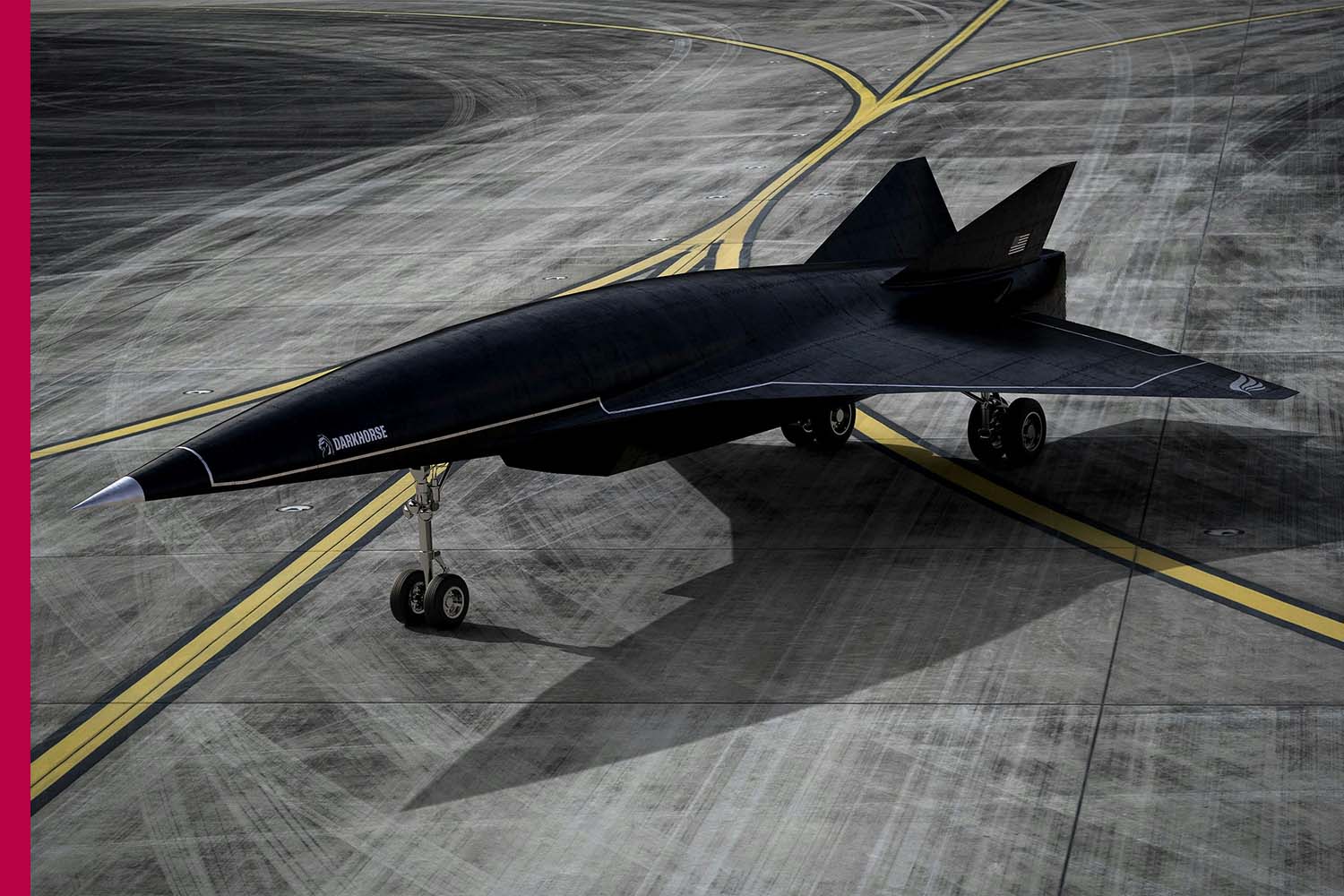



Aviation technology has continuously transformed the way people and goods move across the world. From the development of advanced aircraft engines to sophisticated navigation systems and digital flight management, technological innovation has made air travel faster, safer, and more efficient. Today, the aviation industry is entering another period of transformation as manufacturers, airlines, airports, and technology companies explore new solutions for sustainability, connectivity, automation, and passenger experience.
One of the most important areas of aviation technology is aircraft design. Modern aircraft use lightweight composite materials, aerodynamic structures, and advanced manufacturing techniques to improve fuel efficiency and performance. Reducing aircraft weight can lower fuel consumption while increasing operational efficiency. Engineers are also developing new designs that reduce aerodynamic drag and improve overall aircraft performance.
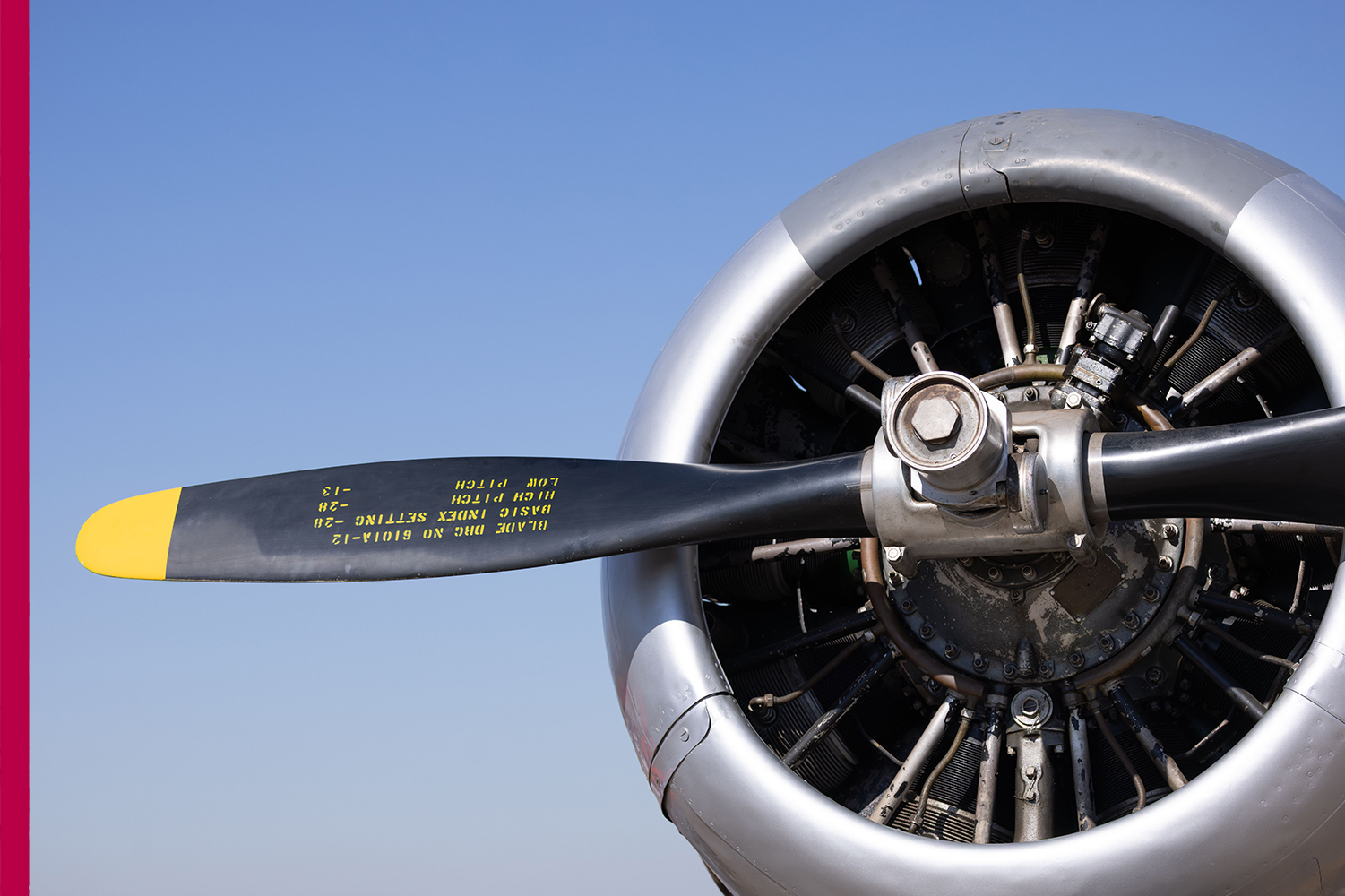
Aircraft engines have undergone significant technological development. Modern turbofan engines are designed to provide greater fuel efficiency while reducing noise and emissions. Research into alternative propulsion systems is also gaining attention as the aviation industry seeks ways to reduce its environmental impact. Electric and hybrid-electric propulsion technologies are being explored for smaller aircraft and regional transportation, while hydrogen-based aviation concepts are being investigated for future applications.
Avionics systems are another major component of aviation technology. Modern aircraft are equipped with sophisticated electronic systems that support navigation, communication, flight management, weather monitoring, and aircraft control. Digital cockpits provide pilots with real-time information and help them make informed decisions during different stages of flight. Advanced navigation technologies also improve route accuracy and operational efficiency.
Artificial Intelligence and data analytics are increasingly influencing aviation operations. Airlines and aircraft operators can analyze large amounts of information related to aircraft performance, passenger demand, weather conditions, and maintenance. Predictive maintenance systems can identify potential equipment problems before they result in major failures. This helps reduce unexpected downtime and improves aircraft availability.
Unmanned aerial vehicles, commonly known as drones, represent another important area of aviation technology. Drones are being used for aerial photography, infrastructure inspection, agriculture, logistics, emergency response, and surveying. Advances in sensors, navigation systems, batteries, and autonomous flight technologies are expanding their potential applications across commercial and industrial sectors.
Airport technology is also evolving rapidly. Automated check-in systems, biometric identification, smart security systems, digital boarding passes, automated baggage handling, and real-time flight information are improving airport efficiency. Smart airport technologies help reduce passenger waiting times while allowing airport operators to manage resources more effectively.
Connectivity has become an important part of the modern passenger experience. In-flight Wi-Fi, mobile services, digital entertainment platforms, and connected cabin systems allow passengers to remain productive and entertained during flights. Airlines are increasingly using digital platforms to provide personalized services, manage bookings, deliver travel information, and communicate with customers.
Safety remains one of the most important priorities in aviation technology. Advanced weather detection systems, collision avoidance technologies, enhanced ground proximity warning systems, improved navigation, and sophisticated flight monitoring contribute to safer aviation operations. Continuous improvements in training technologies, including flight simulators and virtual reality systems, also help pilots develop and maintain essential skills.
Sustainability is becoming a major focus of aviation innovation. The industry is exploring sustainable aviation fuels, electric propulsion, hydrogen technologies, lightweight materials, improved air traffic management, and more efficient aircraft designs. Sustainable aviation technologies are expected to play an increasingly important role as governments, airlines, and passengers place greater emphasis on reducing carbon emissions.

Air traffic management is also undergoing digital transformation. Modern systems use satellite navigation, real-time data, automation, and advanced communication technologies to improve the movement of aircraft through increasingly busy airspace. More efficient flight paths can reduce delays, fuel consumption, and operational costs.
Despite rapid progress, aviation technology faces challenges such as high development costs, strict safety requirements, regulatory complexity, cybersecurity risks, and the need for extensive infrastructure investment. New technologies must undergo rigorous testing and certification before being widely adopted.
Looking ahead, aviation technology is expected to become more connected, automated, efficient, and sustainable. Advanced aircraft, intelligent airports, autonomous systems, next-generation propulsion, and digital air traffic management will continue to shape the industry.
In conclusion, aviation technology is driving significant changes across aircraft manufacturing, airport operations, passenger services, safety, and sustainability. Continued innovation will help the aviation sector meet growing travel demand while improving efficiency and reducing its environmental impact. As new technologies mature, aviation will remain a powerful example of how engineering and digital innovation can transform global transportation.