


Modern farming is rapidly transforming the agricultural sector through technology, scientific knowledge, improved farming techniques, and data-driven decision-making. As the global population grows and pressure on natural resources increases, farmers are expected to produce more food while using less water, land, energy, and other resources. Modern farming approaches are helping address these challenges by combining traditional agricultural knowledge with innovative tools and sustainable practices.
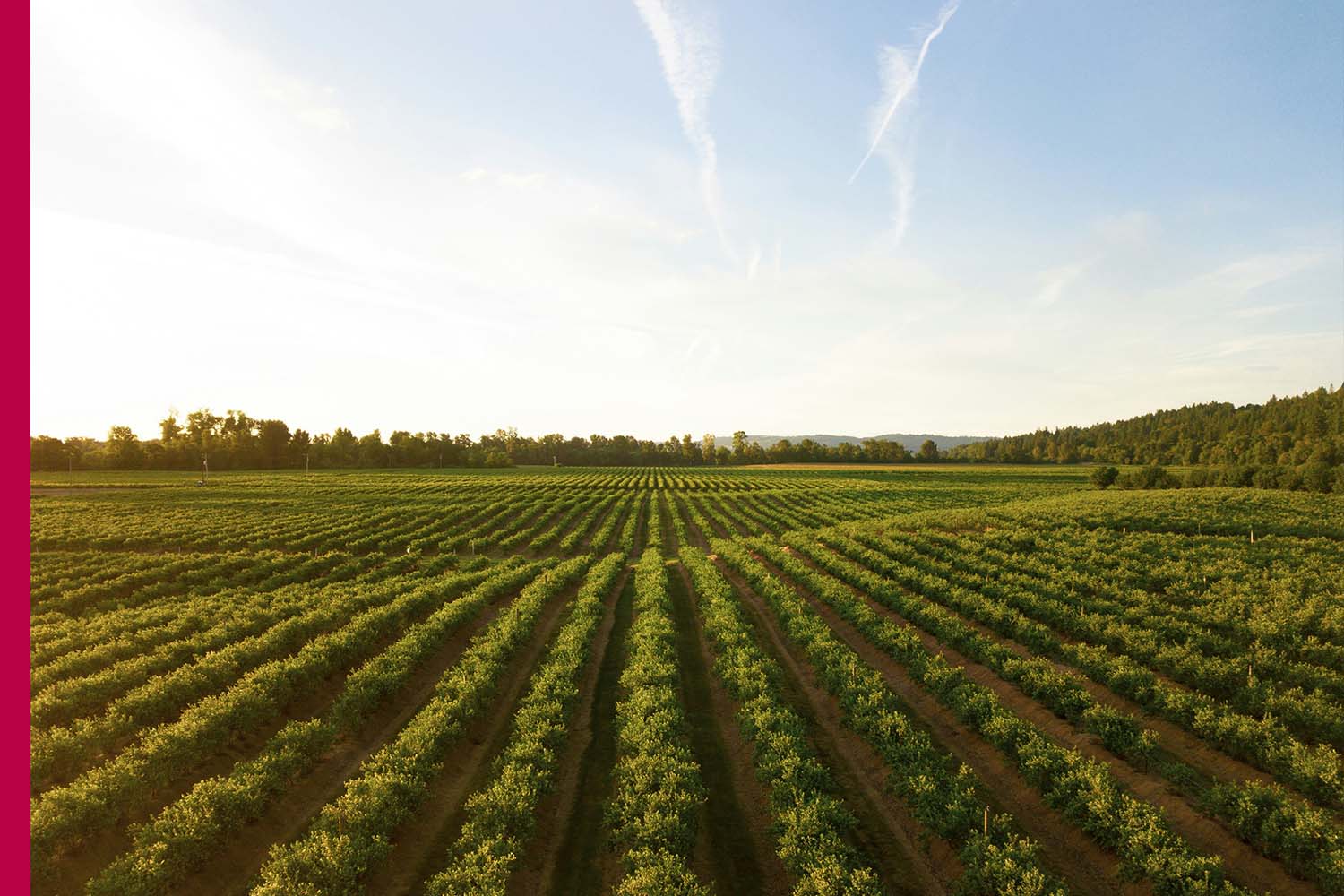
One of the most significant developments in modern farming is precision agriculture. Precision farming uses technologies such as GPS, sensors, satellite imagery, drones, and data analytics to monitor crops and soil conditions. Instead of treating an entire field in the same way, farmers can identify areas that require specific amounts of water, fertilizer, or crop protection. This targeted approach improves productivity while reducing unnecessary resource consumption.
Smart irrigation is another important advancement. Traditional irrigation methods can result in significant water loss, particularly in areas facing water shortages. Modern irrigation systems use soil moisture sensors, weather information, automated controls, and drip irrigation technologies to deliver water precisely when crops need it. Efficient irrigation improves crop health while conserving valuable water resources.
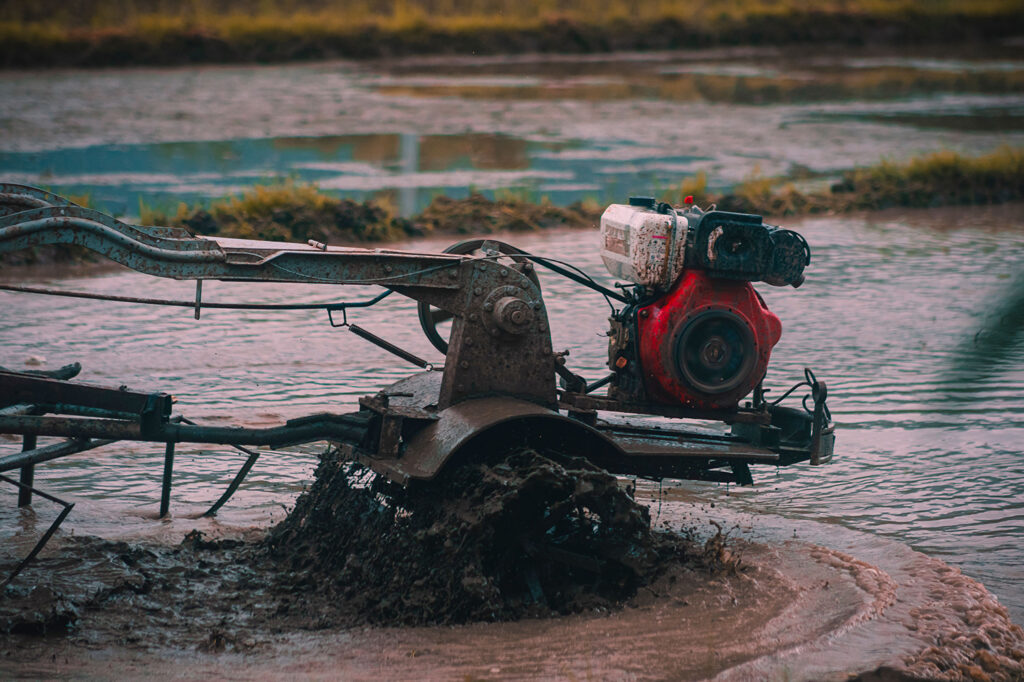
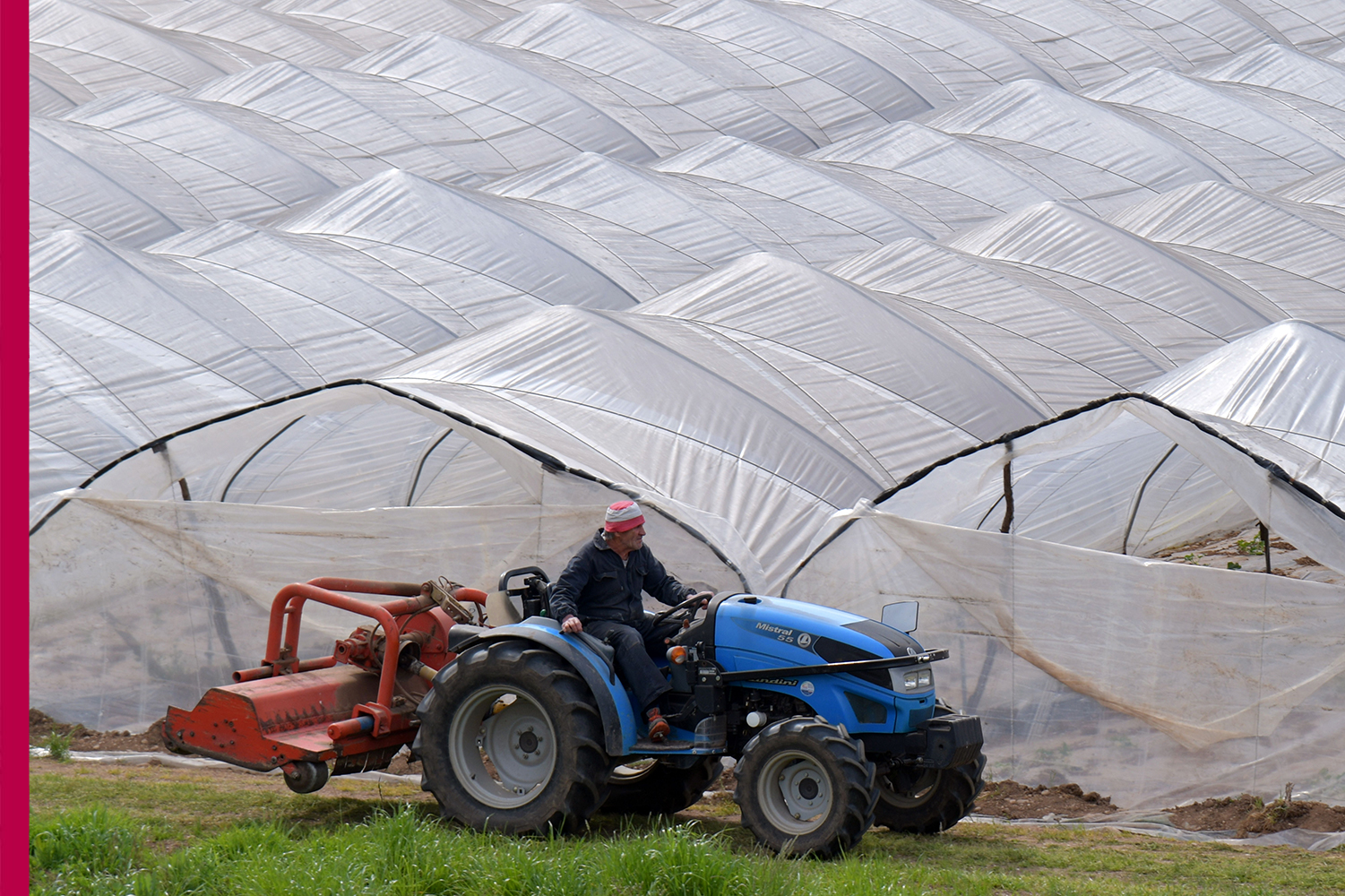
Farm machinery has also evolved significantly. Modern tractors, harvesters, seeders, and other agricultural machines are equipped with advanced navigation and automation technologies. GPS-enabled machinery can operate with greater accuracy, reducing overlapping operations and minimizing fuel and material waste. Automated equipment can also help farmers manage large areas of farmland with greater efficiency.
Drones are increasingly being used for crop monitoring and agricultural management. Equipped with cameras and sensors, drones can capture detailed images of farmland and identify crop stress, pest infestations, water shortages, and nutrient deficiencies. Farmers can use this information to respond quickly to potential problems before they significantly affect yields.
Artificial Intelligence and data analytics are becoming valuable tools in modern agriculture. Agricultural data can be analyzed to identify patterns in weather, soil conditions, crop performance, and market demand. Predictive technologies can help farmers determine the best time to plant, irrigate, fertilize, and harvest crops. Data-driven decisions can improve productivity while reducing operational risks.
Greenhouse farming and controlled-environment agriculture are also changing how food is produced. Modern greenhouses allow farmers to control temperature, humidity, lighting, irrigation, and nutrient levels. Vertical farming takes this concept further by growing crops in stacked indoor environments. These systems can produce fresh food throughout the year while using significantly less land and water than conventional farming in certain applications.
Modern farming is also closely connected to sustainable agriculture. Farmers are adopting practices such as crop rotation, organic farming, conservation tillage, integrated pest management, and efficient fertilizer application. These methods help maintain soil health, reduce environmental impact, and improve the long-term productivity of agricultural land.
Technology is also improving livestock farming. Smart sensors and monitoring systems can track animal health, movement, feeding patterns, and environmental conditions. Early detection of health problems allows farmers to take appropriate action and improve animal welfare. Automated feeding and climate-control systems can further improve efficiency in livestock operations.
Digital platforms are helping farmers access information, markets, financial services, and agricultural inputs. Mobile applications can provide weather forecasts, crop information, market prices, farming advice, and access to buyers. These digital tools can help farmers make better decisions and connect more directly with markets.
Despite its benefits, modern farming faces challenges. High technology costs, limited digital connectivity, lack of technical skills, and unequal access to financing can make advanced agricultural solutions difficult for some farmers to adopt. Training, infrastructure development, affordable technology, and supportive agricultural policies are therefore important for ensuring wider adoption.
Looking ahead, modern farming is expected to become increasingly automated, connected, and sustainable. Advances in robotics, sensors, biotechnology, artificial intelligence, renewable energy, and agricultural data systems will continue to create new opportunities for farmers.
In conclusion, modern farming is redefining agriculture by improving productivity, efficiency, sustainability, and resilience. By combining technology with responsible farming practices, farmers can respond to changing environmental conditions and growing food demand. The continued development and adoption of modern agricultural solutions will play an important role in building a more productive, sustainable, and food-secure future.