
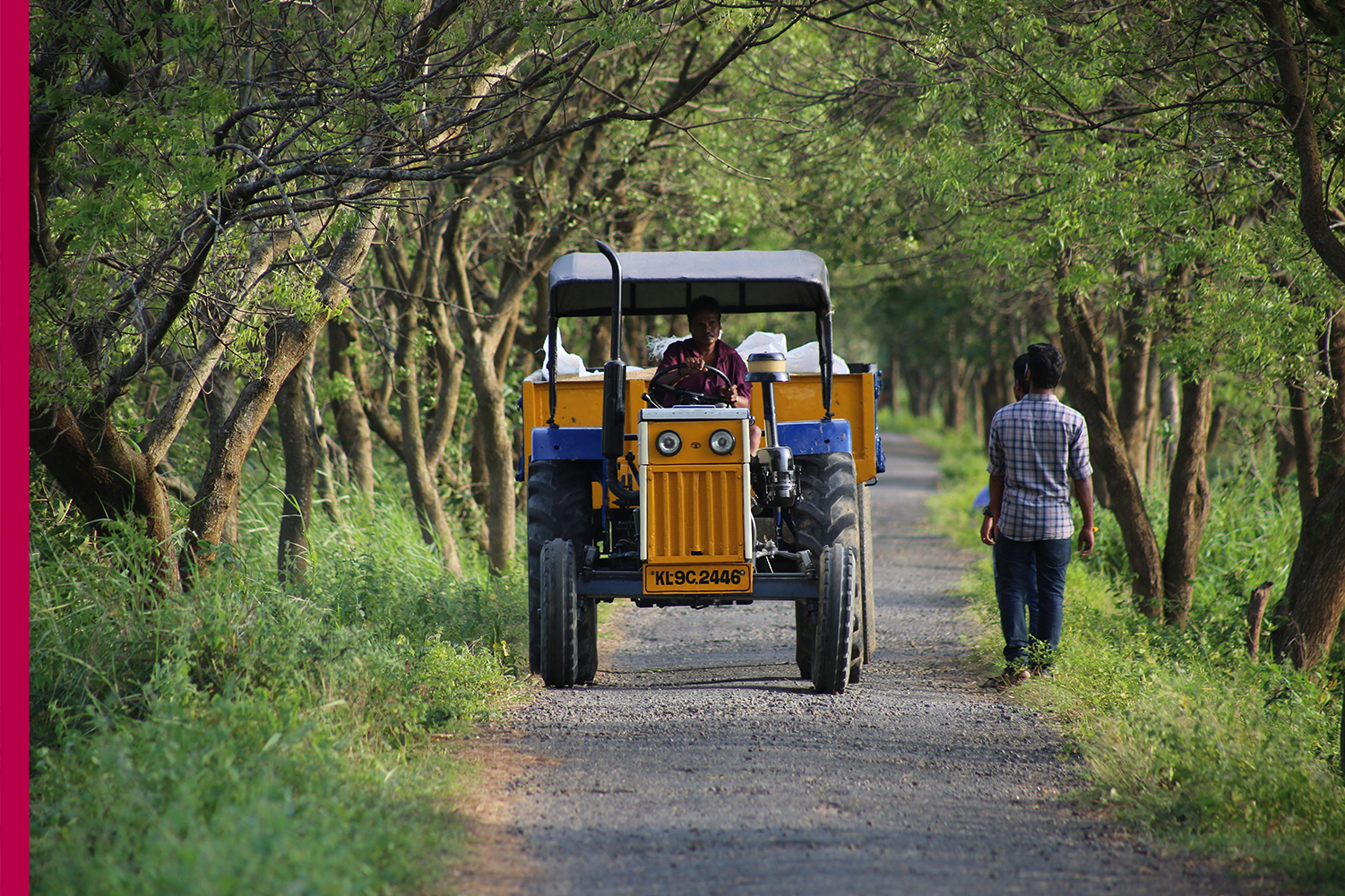



Rural tourism has emerged as one of the fastest-growing segments of the travel industry, offering visitors an opportunity to experience authentic local culture, natural landscapes, traditional lifestyles, and sustainable travel. Unlike conventional tourism that focuses on major cities and popular destinations, rural tourism encourages travelers to explore villages, agricultural communities, heritage sites, and scenic countryside locations. As travelers increasingly seek meaningful and immersive experiences, rural tourism presents significant opportunities for economic growth, cultural preservation, environmental conservation, and community development.
One of the greatest strengths of rural tourism is its ability to showcase authentic cultural experiences. Visitors can participate in local festivals, witness traditional art forms, learn indigenous crafts, enjoy regional cuisine, and interact with local communities. These experiences provide travelers with a deeper understanding of local customs and traditions while helping preserve cultural heritage that might otherwise be forgotten. Rural tourism encourages communities to celebrate and protect their unique identities for future generations.
Agritourism has become an important component of rural tourism. Farms and agricultural communities are welcoming visitors to experience activities such as fruit picking, organic farming, dairy production, tea and coffee plantation tours, and traditional farming techniques. These hands-on experiences allow tourists to connect with nature while learning about sustainable agriculture and rural livelihoods. Agritourism also provides farmers with additional income, reducing their dependence on seasonal agricultural production.
Nature-based tourism is another major opportunity in rural regions. Villages located near forests, rivers, mountains, lakes, and wildlife habitats attract travelers interested in hiking, birdwatching, camping, photography, and eco-tourism. Rural destinations often offer peaceful environments away from crowded cities, making them ideal for travelers seeking relaxation and outdoor adventures. Responsible tourism practices help preserve these natural ecosystems while generating income for local communities.
Homestays have gained popularity as travelers seek personalized and authentic accommodation experiences. Staying with local families allows visitors to experience everyday rural life, enjoy homemade meals, and participate in community activities. Homestays create direct economic benefits for local households while fostering cultural exchange between visitors and residents. They also encourage sustainable tourism by utilizing existing community resources rather than large-scale commercial developments.
Handicrafts and local industries benefit significantly from rural tourism. Many villages are known for traditional weaving, pottery, wood carving, metalwork, embroidery, and handmade textiles. Tourists purchasing locally crafted products directly support artisans and help preserve traditional skills that have been passed down through generations. Craft demonstrations and workshops further enhance the visitor experience while creating additional income opportunities.
Government support plays an important role in promoting rural tourism. Investments in roads, transportation, sanitation, digital connectivity, tourism infrastructure, and skill development improve accessibility and visitor experiences. Tourism promotion campaigns, heritage conservation initiatives, and financial assistance for rural entrepreneurs encourage sustainable tourism development while strengthening local economies.
Digital technology has expanded opportunities for rural tourism businesses. Social media platforms, travel websites, online booking systems, and digital marketing enable rural destinations to reach national and international travelers. High-quality photography, virtual tours, customer reviews, and online travel content increase visibility and help small tourism businesses compete in a growing global market.
Sustainability is at the heart of successful rural tourism. Responsible tourism practices encourage environmental conservation, waste reduction, water management, and the protection of local biodiversity. Eco-friendly accommodations, renewable energy use, and community-led conservation efforts ensure that tourism growth does not compromise natural resources or cultural heritage. Sustainable tourism creates long-term benefits for both visitors and local communities.
Rural tourism also generates significant employment opportunities. Local residents find work as guides, homestay operators, transport providers, hospitality staff, artisans, and small business owners. Tourism stimulates demand for local food, handicrafts, cultural performances, and transportation services, creating a positive economic impact throughout rural communities.
Despite its many advantages, rural tourism faces challenges such as limited infrastructure, inadequate transportation, seasonal visitor demand, lack of marketing, and insufficient hospitality training. Addressing these challenges requires collaboration between governments, local communities, tourism operators, and private investors to improve facilities and promote responsible tourism practices.
Looking ahead, rural tourism is expected to grow as travelers increasingly value authentic experiences, sustainability, wellness tourism, and cultural exploration. Digital innovation, improved infrastructure, and community participation will continue to strengthen the sector and create new opportunities for rural development.
In conclusion, rural tourism offers immense potential to promote economic growth, preserve cultural heritage, and support environmental sustainability. By highlighting authentic experiences, natural beauty, traditional lifestyles, and local entrepreneurship, rural destinations can attract visitors while improving the livelihoods of local communities. As interest in meaningful and sustainable travel continues to rise, rural tourism will play an increasingly important role in shaping the future of the global tourism industry.