






The metal sector is one of the most important pillars of industrial development, supplying essential raw materials for construction, infrastructure, automotive, aerospace, energy, electronics, and manufacturing industries. Metals such as steel, aluminum, copper, zinc, and nickel play a critical role in economic growth and technological advancement. As the industry continues to evolve, government policies significantly influence its performance by shaping production, investment, trade, environmental sustainability, and technological innovation. Well-designed policies not only support industrial expansion but also ensure responsible resource utilization and long-term competitiveness.
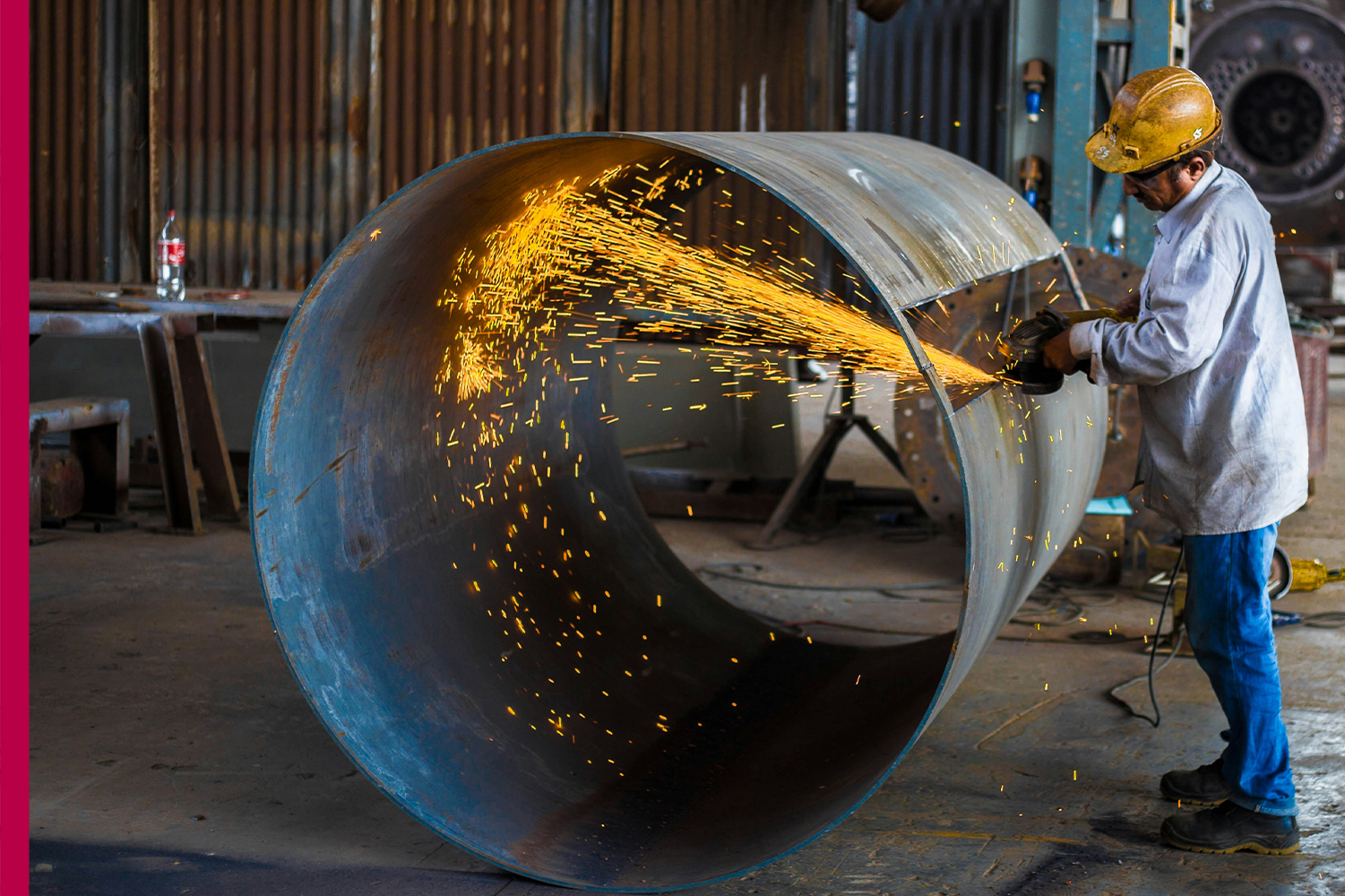
One of the primary ways governments influence the metal sector is through industrial development policies. National manufacturing initiatives often prioritize the production of metals because they serve as the foundation for multiple industries. Governments encourage investment in new manufacturing facilities, modernization of existing plants, and expansion of production capacity through financial incentives, tax benefits, and infrastructure support. These measures help increase domestic production while reducing dependence on imported metal products.
Trade policies play a major role in determining the competitiveness of the metal industry. Import duties, export incentives, anti-dumping regulations, and free trade agreements directly affect market conditions. Governments often impose anti-dumping duties to protect domestic manufacturers from unfairly priced imports that could harm local industries. At the same time, export promotion policies encourage manufacturers to expand into international markets, increasing foreign exchange earnings and strengthening the country’s global trade position.
Infrastructure development policies also have a significant impact on the metal sector. Large-scale investments in roads, bridges, railways, airports, ports, smart cities, and renewable energy projects create substantial demand for steel, aluminum, copper, and other construction materials. Government-funded infrastructure programs provide stable market opportunities for metal producers while supporting broader economic development.
Environmental regulations have become increasingly important in shaping the future of the metal industry. Governments are implementing stricter emission standards, energy efficiency requirements, and waste management regulations to reduce the environmental impact of metal production. Manufacturers are encouraged to adopt cleaner production technologies, recycle scrap metals, reduce carbon emissions, and improve resource efficiency. These sustainability-focused policies support long-term environmental protection while promoting responsible industrial growth.
Energy policies also influence the metal sector because metal manufacturing is highly energy-intensive. Governments promote the adoption of renewable energy sources, energy-efficient equipment, and modern production technologies to reduce operational costs and greenhouse gas emissions. Incentives for energy conservation help manufacturers improve efficiency while meeting environmental compliance requirements.
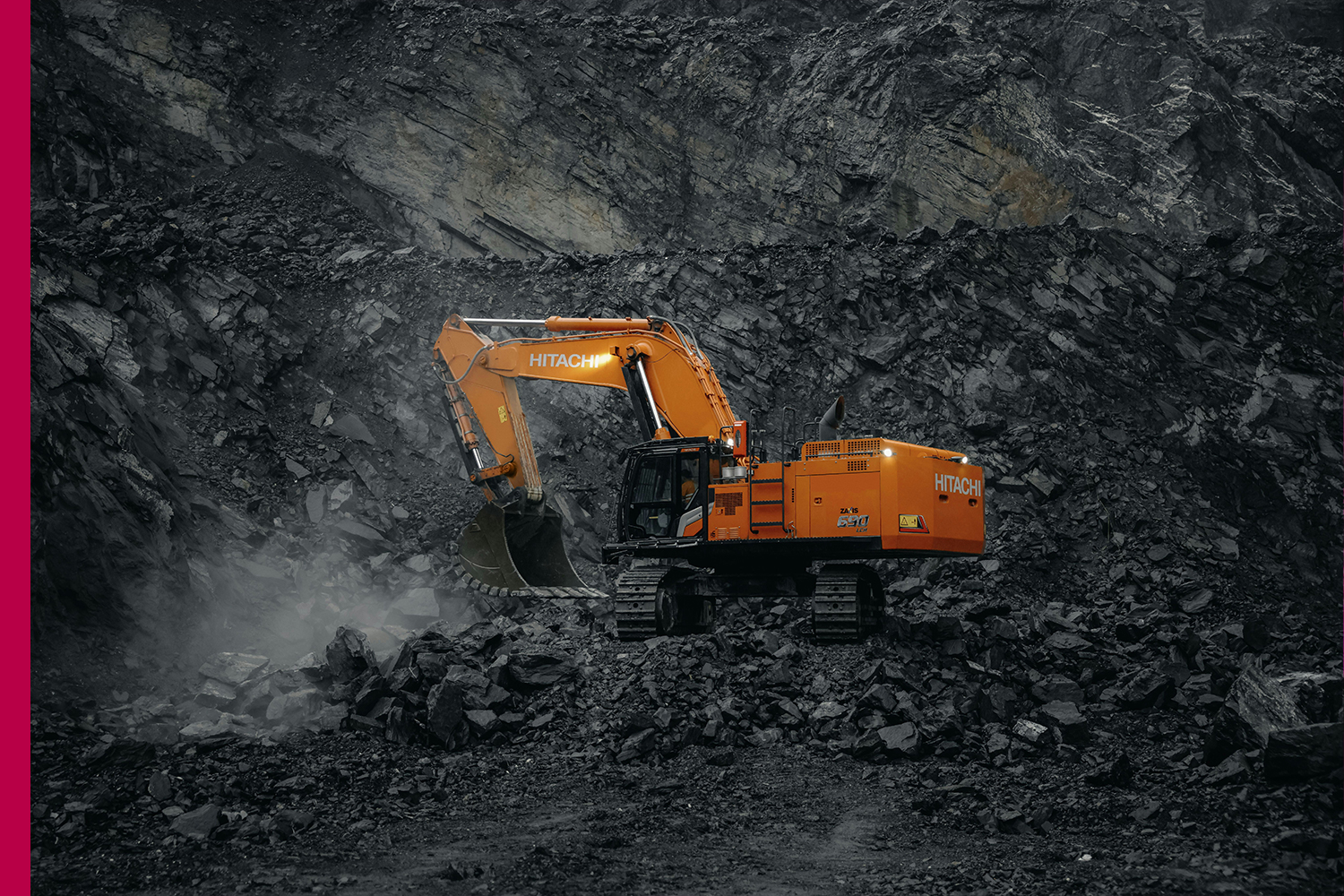
Mining and raw material policies directly affect metal production. Governments regulate mineral exploration, mining licenses, environmental approvals, and resource management to ensure responsible extraction of raw materials. Stable mining policies provide manufacturers with reliable access to essential minerals while encouraging sustainable resource utilization and protecting local communities.
Research and development initiatives supported by governments encourage technological innovation in the metal sector. Funding programs, research partnerships, and technology grants enable companies to develop advanced metal alloys, improve manufacturing processes, and adopt automation and digital technologies. Innovations in lightweight materials, corrosion-resistant metals, and advanced composites help manufacturers meet evolving industry demands across automotive, aerospace, and renewable energy sectors.
Workforce development is another area influenced by government policy. Skill development programs, vocational training, technical education, and industry partnerships help prepare workers for modern manufacturing environments. As automation and Industry 4.0 technologies become more common, governments are investing in workforce training to ensure employees possess the skills needed for advanced manufacturing operations.
Financial support mechanisms further strengthen the metal industry. Low-interest loans, investment incentives, export financing, and infrastructure funding help manufacturers expand operations and adopt modern technologies. Small and medium-sized enterprises (SMEs) within the metal sector particularly benefit from government assistance programs that improve access to capital and business development opportunities.
Despite these supportive policies, the metal industry continues to face challenges such as fluctuating raw material prices, global market competition, rising energy costs, environmental compliance expenses, and geopolitical uncertainties. Governments must maintain balanced policies that support industrial growth while addressing sustainability, resource conservation, and international trade obligations.
Looking ahead, government policies are expected to place greater emphasis on green manufacturing, circular economy principles, recycling, digital transformation, and carbon reduction. Investments in smart manufacturing, renewable energy integration, and advanced production technologies will help create a more competitive and environmentally responsible metal industry.
In conclusion, government policies play a crucial role in shaping the growth and competitiveness of the metal sector. Through industrial development initiatives, trade regulations, environmental standards, infrastructure investment, and technological support, governments create an environment that encourages innovation, sustainability, and economic progress. As global demand for high-quality metal products continues to grow, effective government policies will remain essential for ensuring that the metal industry continues to contribute to national development, employment generation, and long-term industrial success.