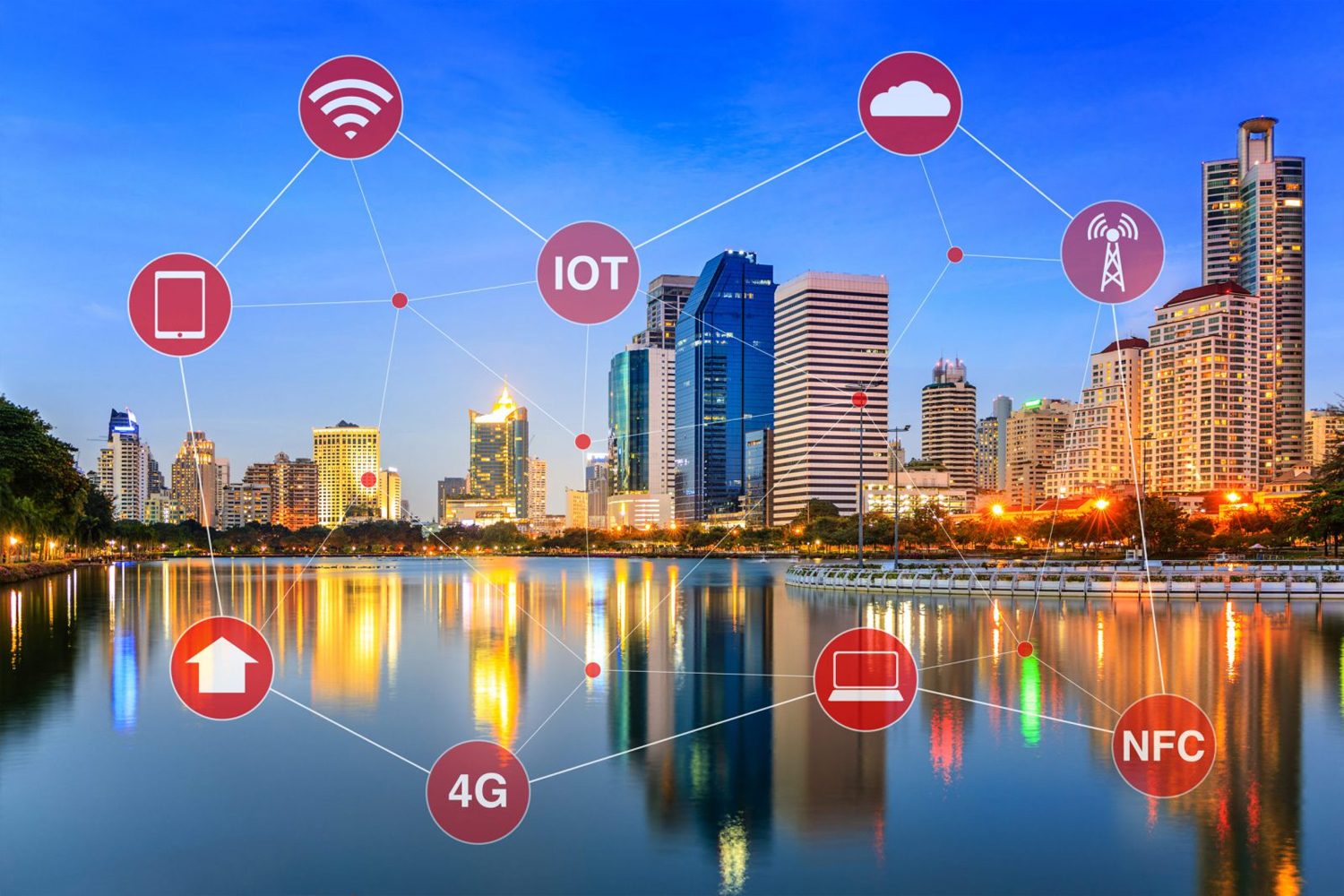




As businesses become increasingly dependent on digital technologies, cybersecurity has emerged as one of the most critical challenges facing organizations of all sizes. Companies rely on cloud platforms, online transactions, remote work systems, connected devices, and digital communication tools to operate efficiently and serve customers. While these technologies create new opportunities for growth and innovation, they also expose businesses to a growing range of cyber threats. Protecting sensitive data, maintaining customer trust, and ensuring business continuity have become essential priorities in today’s interconnected world.
One of the biggest cybersecurity challenges for businesses is the rising sophistication of cyberattacks. Cybercriminals continuously develop new methods to steal data, disrupt operations, and exploit system vulnerabilities. Phishing attacks, ransomware, malware, business email compromise, and credential theft are among the most common threats affecting organizations worldwide. These attacks can lead to financial losses, operational disruptions, and reputational damage that may take years to recover from.
Ransomware has become particularly dangerous for businesses. In a ransomware attack, criminals encrypt critical business data and demand payment in exchange for restoring access. Such attacks can halt operations, affect customer services, and result in significant financial losses. Organizations with inadequate backup systems or weak security controls are especially vulnerable to this type of threat.
Data protection is another major concern. Businesses collect and store large amounts of sensitive information, including customer records, financial data, employee information, and intellectual property. A data breach can expose this information to unauthorized parties, leading to legal liabilities, regulatory penalties, and loss of customer confidence. Protecting data throughout its lifecycle has become a fundamental requirement for modern organizations.
The rapid adoption of cloud computing has created additional security challenges. While cloud platforms offer flexibility and scalability, businesses must ensure that cloud environments are properly configured and monitored. Misconfigured cloud storage, weak access controls, and insufficient security policies can create opportunities for cybercriminals to gain unauthorized access to sensitive data.
Remote and hybrid work models have also expanded the cybersecurity landscape. Employees now access corporate systems from homes, coworking spaces, and mobile devices, increasing the number of potential entry points for attackers. Unsecured networks, personal devices, and weak passwords can expose organizations to significant security risks. Businesses must implement secure remote access solutions and educate employees about cybersecurity best practices.
Human error remains one of the leading causes of security incidents. Employees may accidentally click malicious links, share confidential information, reuse passwords, or fall victim to social engineering attacks. Regular cybersecurity training and awareness programs are essential for helping staff recognize threats and respond appropriately.
Small and medium-sized businesses often face unique cybersecurity challenges. Many smaller organizations have limited budgets, fewer IT resources, and less specialized security expertise. Cybercriminals frequently target these businesses because they may have weaker defenses while still possessing valuable data and financial information.
Supply chain security has become increasingly important as businesses rely on third-party vendors, software providers, and service partners. A security weakness in a supplier’s system can provide attackers with access to larger organizations. Companies must evaluate the security practices of their partners and establish clear cybersecurity requirements throughout the supply chain.
Regulatory compliance adds another layer of complexity. Governments and industry regulators require organizations to protect personal and financial data through various privacy and security standards. Failure to comply with these regulations can result in substantial fines and legal consequences. Businesses must maintain strong governance, documentation, and security controls to meet compliance obligations.
Modern cybersecurity strategies increasingly rely on advanced technologies. Artificial Intelligence (AI) and machine learning help detect unusual network activity, identify potential threats, and respond to attacks more quickly. Security information and event management systems, endpoint protection tools, and threat intelligence platforms provide organizations with better visibility across their digital environments.
Despite these advances, no organization can eliminate cyber risk entirely. Effective cybersecurity requires a layered approach that combines technology, processes, and people. Strong passwords, multi-factor authentication, regular software updates, data encryption, network segmentation, employee training, and incident response planning all contribute to a stronger security posture.
Looking ahead, emerging technologies such as the Internet of Things (IoT), 5G networks, and increasingly sophisticated AI systems will create both new opportunities and new security challenges. Businesses must remain adaptable and continuously invest in cybersecurity capabilities to keep pace with evolving threats.
In conclusion, cybersecurity challenges have become a defining issue for modern businesses. As organizations continue their digital transformation journeys, protecting data, systems, and operations is essential for maintaining trust, resilience, and long-term success. By adopting proactive security strategies, investing in technology and employee awareness, and preparing for potential incidents, businesses can reduce cyber risks and operate more confidently in an increasingly connected world.