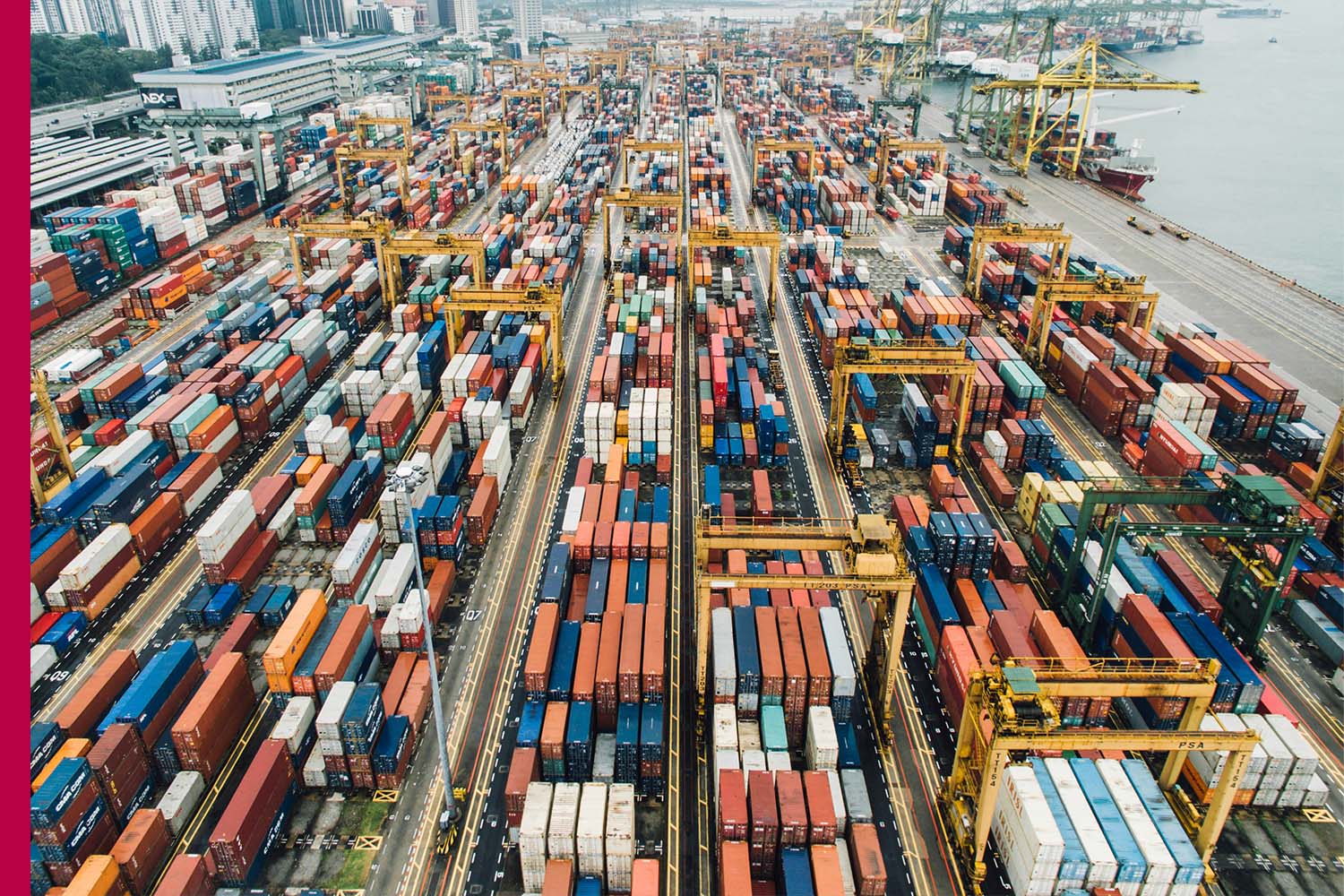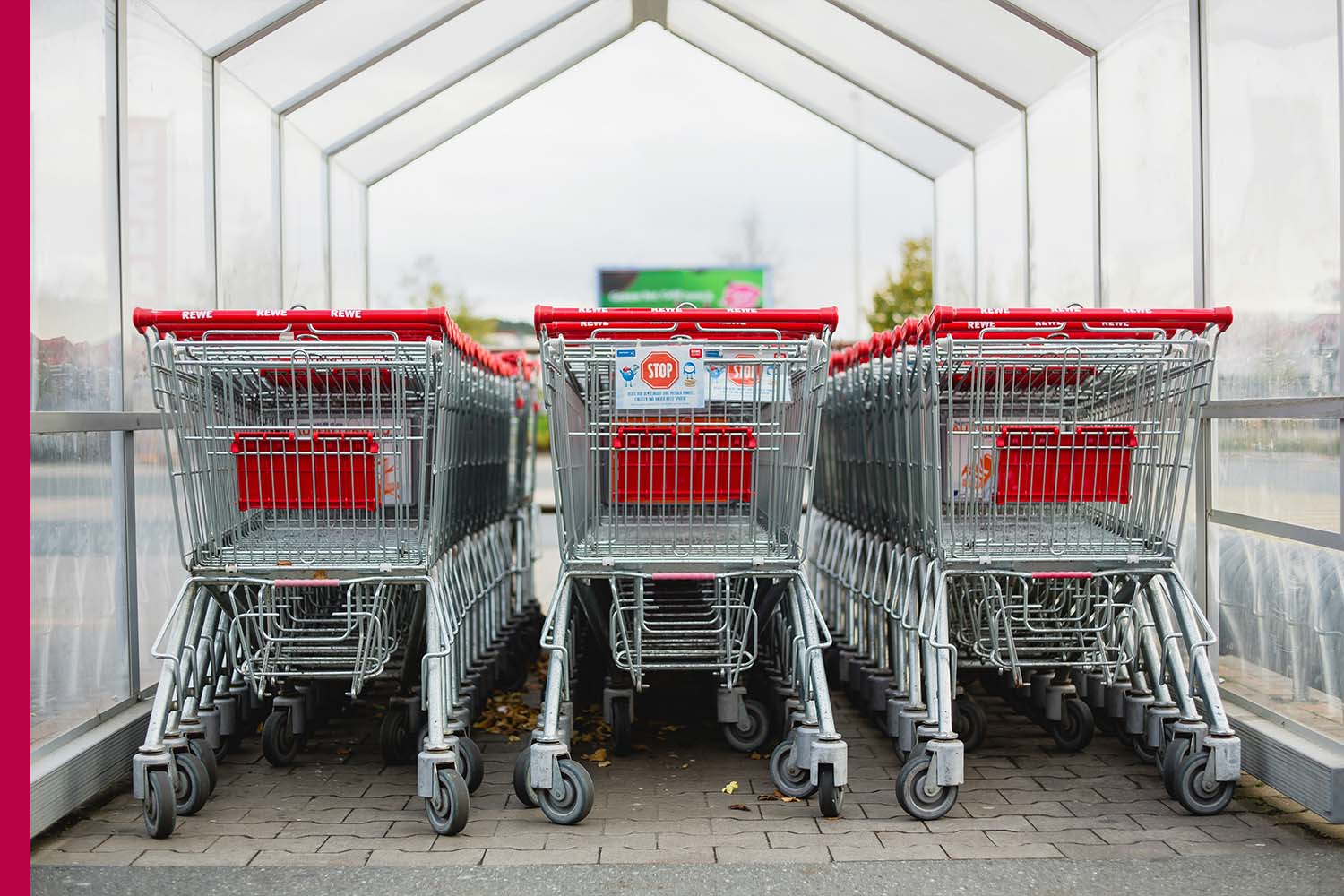

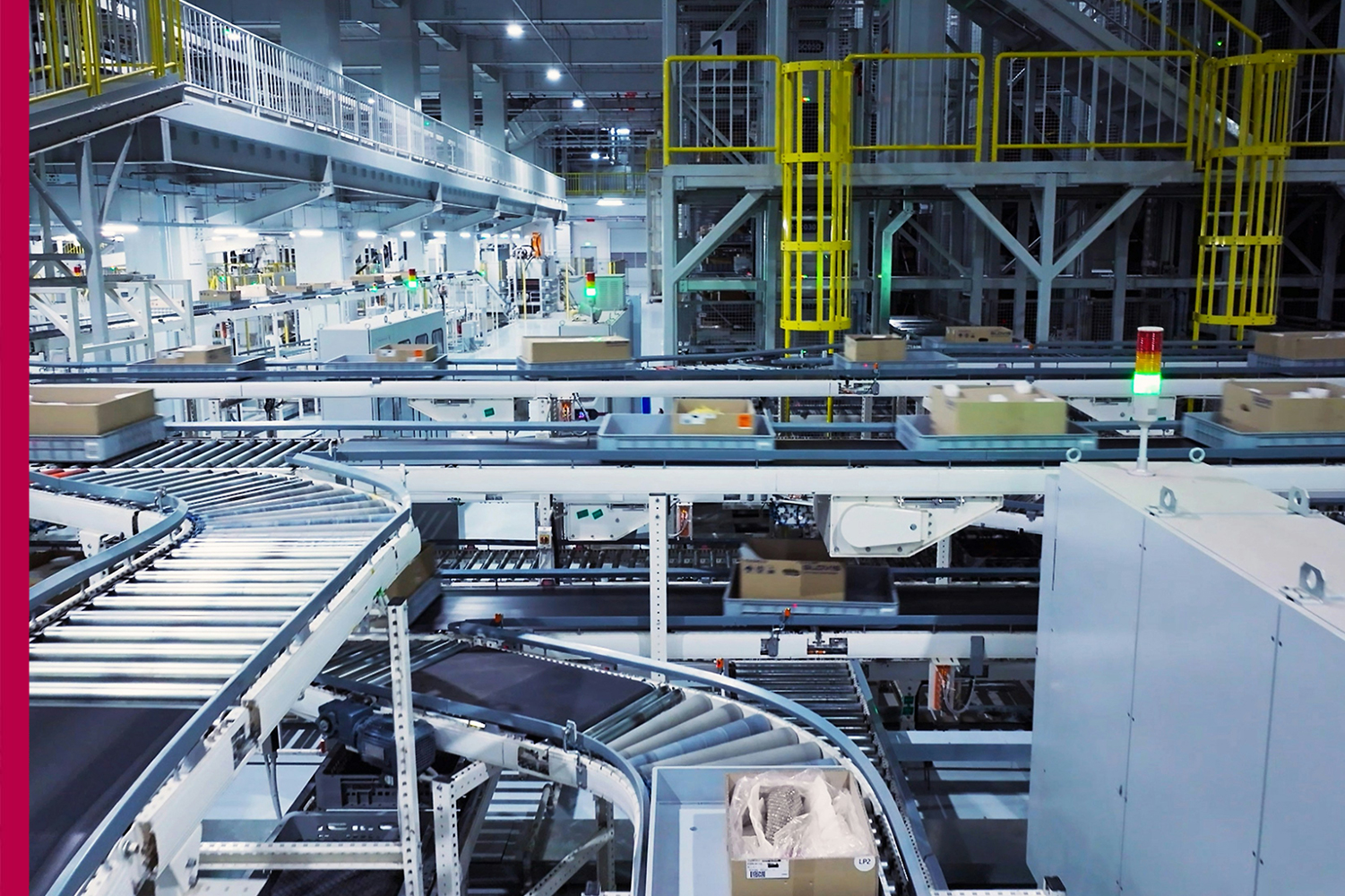


The global supply chain has become increasingly complex as businesses expand across international markets and customer expectations continue to rise. Companies today must manage sourcing, manufacturing, inventory, transportation, warehousing, and delivery while maintaining speed, efficiency, and cost-effectiveness. To meet these demands, organizations are embracing digital transformation across their supply chains. By integrating advanced technologies into supply chain operations, businesses can improve visibility, reduce operational costs, enhance decision-making, and build more resilient and agile networks.
Supply chain digital transformation refers to the use of digital technologies to modernize and optimize every stage of the supply chain. Instead of relying on manual processes and disconnected systems, companies are implementing intelligent digital platforms that connect suppliers, manufacturers, logistics providers, distributors, and customers through real-time data sharing. This transformation enables businesses to respond more quickly to market changes while improving overall operational performance.
One of the most important drivers of digital transformation is real-time visibility. Modern supply chain management systems provide businesses with instant access to information about inventory levels, production status, shipment locations, and customer orders. Real-time visibility allows organizations to monitor operations continuously, identify potential disruptions early, and make informed decisions that minimize delays and improve customer satisfaction.
Artificial Intelligence (AI) has become a powerful tool in supply chain management. AI analyzes large volumes of operational data to forecast demand, optimize inventory levels, recommend efficient transportation routes, and predict potential supply chain risks. Predictive analytics helps businesses prepare for fluctuations in demand, reducing excess inventory while preventing stock shortages. AI also supports automated decision-making, improving efficiency across procurement, manufacturing, and logistics.
The Internet of Things (IoT) is transforming supply chain operations through connected devices and smart sensors. IoT-enabled equipment monitors warehouse conditions, vehicle performance, shipment temperatures, and inventory movement in real time. This continuous flow of data improves product traceability, enhances quality control, and helps businesses maintain optimal operating conditions throughout the supply chain.
Cloud computing has become an essential component of digital supply chains. Cloud-based platforms allow organizations to securely access and share information across multiple locations and business partners. Suppliers, manufacturers, logistics companies, and retailers can collaborate more effectively using centralized digital systems that improve communication and reduce information delays. Cloud technology also offers scalability, enabling businesses to adapt quickly to changing market conditions.
Automation is significantly improving supply chain efficiency. Automated warehouses use robotics for picking, sorting, packing, and inventory management, reducing manual labor and increasing processing speed. Automated procurement systems streamline purchasing activities, while digital workflows eliminate paperwork and improve operational accuracy. These innovations reduce operational costs while enhancing productivity.
Blockchain technology is gaining attention for improving supply chain transparency and security. Blockchain creates secure, tamper-resistant digital records that allow businesses to track products from raw material sourcing to final delivery. This technology enhances product authenticity, reduces fraud, improves regulatory compliance, and builds greater trust among customers and business partners.
Digital transformation also improves customer service. Modern supply chain platforms provide accurate order tracking, faster delivery updates, and better inventory availability. Customers receive real-time notifications about shipments and estimated delivery times, improving their overall purchasing experience and strengthening brand loyalty.
Sustainability has become an important objective of digital supply chain transformation. Advanced analytics help businesses optimize transportation routes, reduce fuel consumption, minimize waste, and improve resource utilization. Digital technologies support environmentally responsible operations by reducing emissions, improving energy efficiency, and encouraging sustainable sourcing practices.
Risk management has become increasingly important in today’s interconnected global economy. Supply chain disruptions caused by natural disasters, geopolitical events, transportation delays, or supplier shortages can significantly affect business operations. Digital monitoring systems provide early warning alerts and predictive insights, enabling organizations to develop contingency plans and maintain business continuity.
Despite its many advantages, supply chain digital transformation presents several challenges. High implementation costs, cybersecurity concerns, integration with legacy systems, employee training requirements, and data privacy issues require careful planning and investment. Successful transformation depends on strong leadership, clear business objectives, and collaboration across the entire supply chain ecosystem.
Looking ahead, emerging technologies such as advanced AI, autonomous vehicles, digital twins, edge computing, and 5G connectivity will continue to reshape supply chain management. These innovations will create even more intelligent, connected, and responsive supply chain networks capable of adapting to future business demands.
In conclusion, supply chain digital transformation is revolutionizing how businesses manage global operations. By integrating technologies such as AI, IoT, cloud computing, blockchain, and automation, organizations can improve efficiency, increase transparency, reduce costs, and enhance customer satisfaction. As digital innovation continues to evolve, businesses that embrace supply chain transformation will be better equipped to compete in an increasingly dynamic and interconnected global marketplace.