
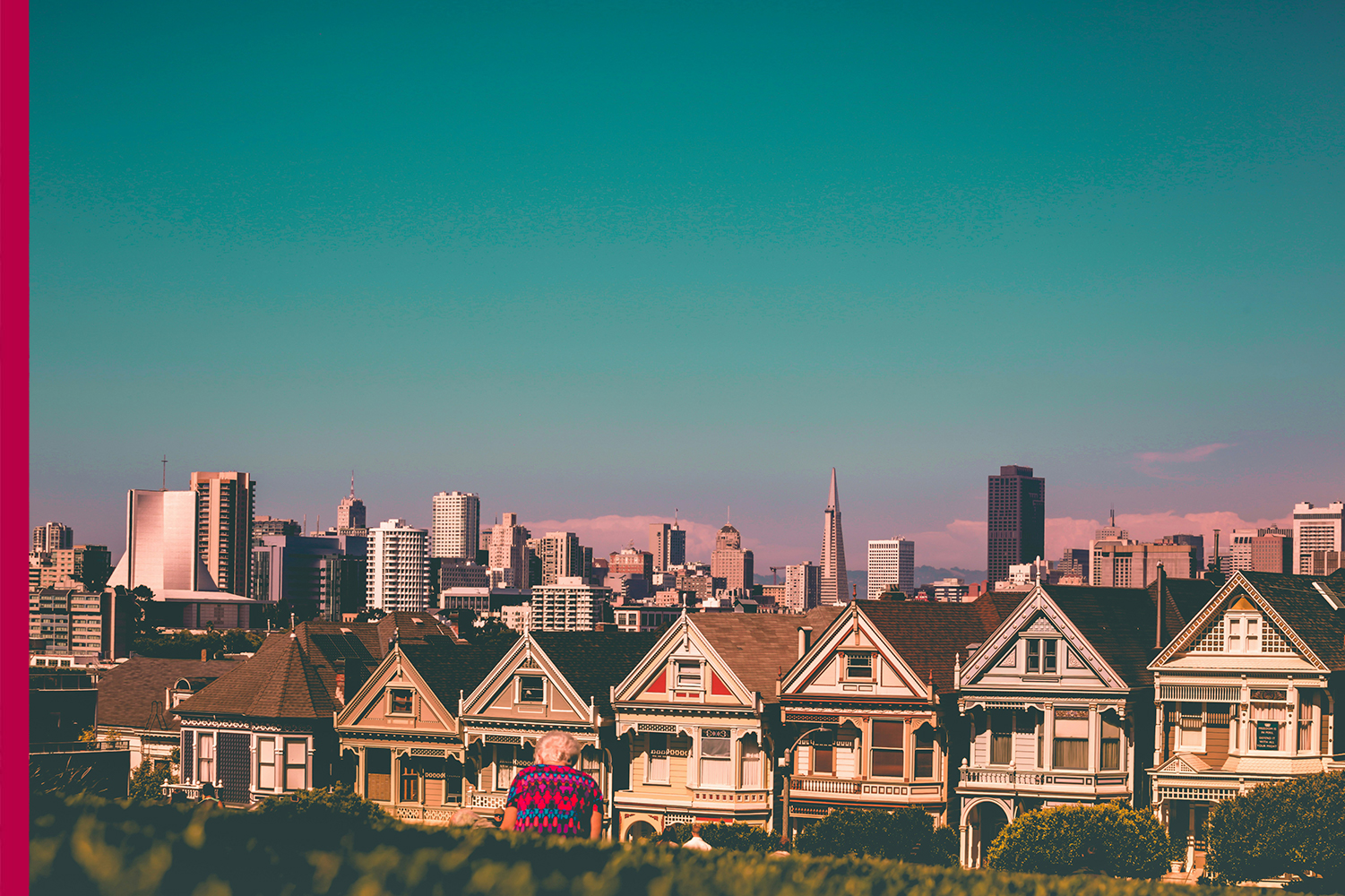


The real estate industry has always been a key driver of economic development, influencing infrastructure, employment, investment, and urban expansion. As technology advances, consumer preferences evolve, and sustainability becomes a global priority, the real estate sector is undergoing a significant transformation. The future of the industry will be shaped by smart technologies, changing lifestyles, digital innovation, and environmentally responsible development. These trends are creating new opportunities for developers, investors, businesses, and homebuyers while redefining the way properties are designed, built, and managed.
One of the most influential factors shaping the future of real estate is digital transformation. Technologies such as Artificial Intelligence (AI), Big Data, cloud computing, and the Internet of Things (IoT) are helping developers and real estate professionals make better decisions. AI-powered analytics can predict property demand, estimate market trends, and assist buyers in finding suitable properties. Digital platforms have also simplified property searches, allowing buyers and investors to explore listings, compare prices, and complete transactions online.
Smart buildings are becoming increasingly popular in both residential and commercial real estate. Modern buildings are equipped with automated lighting, climate control systems, smart security, energy management solutions, and connected devices that improve comfort, convenience, and operational efficiency. These technologies not only enhance the living experience but also reduce energy consumption and maintenance costs, making properties more attractive to buyers and tenants.
Sustainability will continue to play a major role in the future of real estate development. Green buildings designed with energy-efficient materials, solar power systems, rainwater harvesting, waste recycling, and eco-friendly construction methods are becoming industry standards. Governments and consumers alike are encouraging sustainable development to reduce environmental impact and improve long-term resource efficiency. Properties with green certifications often achieve higher market value and stronger demand.
Urbanization continues to influence the growth of the real estate industry. As more people move to cities in search of employment, education, and better living standards, the demand for residential housing, commercial spaces, and mixed-use developments is increasing. Developers are focusing on integrated communities that combine homes, offices, shopping centers, healthcare facilities, educational institutions, and recreational areas within a single location, creating more convenient and connected lifestyles.
Flexible living and working arrangements are also changing the real estate landscape. Hybrid work models have increased demand for homes with dedicated office spaces, while coworking environments continue to grow in popularity among startups, freelancers, and businesses seeking flexible office solutions. Commercial real estate developers are redesigning office buildings to support collaboration, wellness, and adaptability rather than traditional workspace layouts.
Technology is improving property management as well. Digital property management platforms allow landlords and facility managers to monitor maintenance, collect rent, manage tenant communication, and oversee building operations more efficiently. Predictive maintenance systems powered by IoT sensors help identify equipment issues before they become major problems, reducing maintenance costs and improving tenant satisfaction.
Investment opportunities in real estate are also evolving. Real Estate Investment Trusts (REITs), digital investment platforms, and property crowdfunding have made real estate investing more accessible to individual investors. These options allow people to invest in large commercial and residential projects without purchasing entire properties, increasing market participation and investment flexibility.
Infrastructure development remains a strong driver of real estate growth. New highways, metro rail systems, airports, industrial corridors, and smart city projects significantly increase property values and attract residential and commercial development. Governments continue to invest in urban infrastructure, creating new real estate opportunities in emerging regions.
Despite these positive developments, the industry faces challenges including rising construction costs, fluctuating interest rates, regulatory changes, housing affordability, and environmental concerns. Developers and investors must remain flexible by adopting innovative technologies, efficient project management, and sustainable construction practices to remain competitive in a rapidly changing market.
Looking ahead, the future of the real estate industry will be characterized by intelligent infrastructure, digital transactions, sustainable communities, and customer-focused development. Innovations such as virtual reality property tours, blockchain-based transactions, AI-driven market analysis, and smart city integration will further transform how properties are bought, sold, and managed.
In conclusion, the future of the real estate industry is filled with opportunities driven by technological advancement, sustainability, and evolving consumer expectations. As developers, investors, and governments embrace innovation and responsible growth, the industry will continue to create modern living spaces, efficient commercial environments, and resilient urban communities. By adapting to these emerging trends, the real estate sector will remain a vital contributor to economic progress and improved quality of life for generations to come.