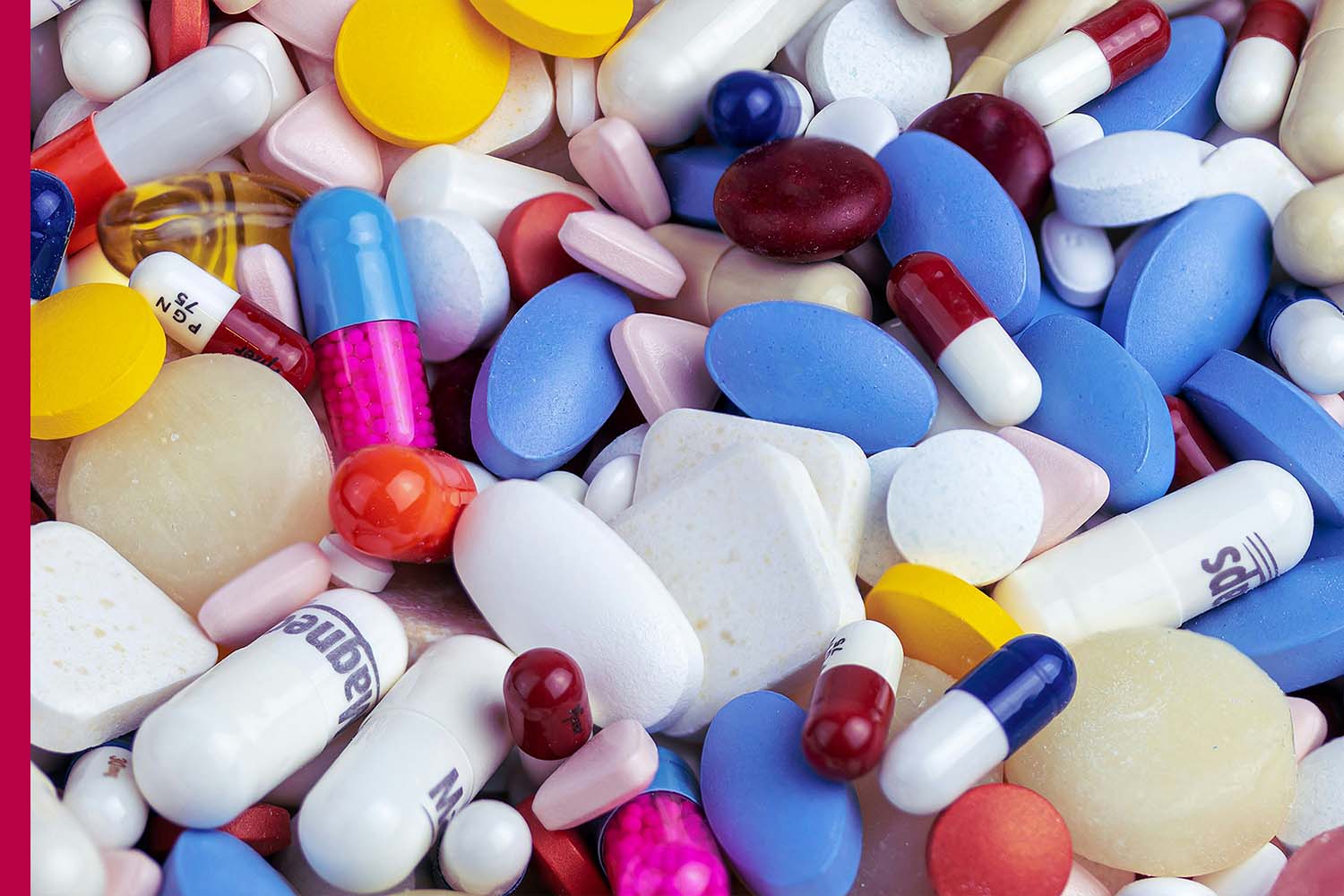




The pharmaceutical industry has become one of the fastest-growing sectors in the global economy, driven by increasing healthcare needs, aging populations, technological advancements, and greater access to medical treatment. As countries continue to invest in healthcare infrastructure and improve access to affordable medicines, pharmaceutical exports have emerged as a significant opportunity for manufacturers worldwide. Companies that produce high-quality medicines, comply with international regulations, and embrace innovation are well-positioned to expand into global markets and contribute to improving healthcare across borders.
Pharmaceutical exports include a wide range of products such as generic medicines, branded drugs, vaccines, active pharmaceutical ingredients (APIs), biotechnology products, over-the-counter medicines, medical devices, and healthcare supplements. The growing demand for affordable and effective healthcare solutions has created new export opportunities for pharmaceutical manufacturers in both developed and emerging economies.
One of the biggest drivers of pharmaceutical exports is the increasing global demand for generic medicines. Many countries are seeking cost-effective alternatives to expensive branded drugs while maintaining high standards of safety and quality. Generic medicines offer the same therapeutic benefits as branded products at a lower cost, making them highly attractive for healthcare systems aiming to reduce medical expenses. Manufacturers specializing in generic pharmaceuticals can access large international markets by meeting global regulatory requirements.
Vaccines and biotechnology products represent another major area of export growth. Advances in biotechnology have led to the development of innovative treatments for chronic diseases, autoimmune disorders, cancer, and rare medical conditions. Growing investments in preventive healthcare and immunization programs have increased demand for vaccines and biologic medicines, creating valuable opportunities for pharmaceutical exporters with advanced manufacturing capabilities.
Quality assurance is one of the most important factors in successful pharmaceutical exports. International buyers expect manufacturers to comply with Good Manufacturing Practices (GMP), stringent quality control procedures, and global regulatory standards. Certifications from recognized regulatory authorities build confidence among healthcare providers, distributors, and governments while improving access to international markets.
Research and development continue to strengthen export competitiveness. Pharmaceutical companies that invest in scientific innovation, advanced drug formulations, and new therapeutic solutions are better equipped to meet evolving healthcare demands. Continuous innovation allows exporters to introduce differentiated products and expand their presence in competitive global markets.
Technology is transforming pharmaceutical manufacturing and international trade. Artificial Intelligence (AI), automation, digital quality control systems, and smart manufacturing improve production efficiency and product consistency. Advanced supply chain management systems provide real-time tracking of inventory and shipments, ensuring medicines reach international customers safely and efficiently while maintaining required storage conditions.
Government support plays an essential role in promoting pharmaceutical exports. Export incentives, trade agreements, simplified regulatory procedures, and investment in pharmaceutical infrastructure help manufacturers compete globally. Participation in international trade exhibitions, healthcare conferences, and business networking events further enables pharmaceutical companies to establish partnerships with distributors, hospitals, and healthcare organizations worldwide.
Digital transformation has also opened new opportunities for pharmaceutical exporters. Online business platforms, digital marketing, and international e-commerce channels enable manufacturers to connect with buyers across different regions. Digital communication and virtual business meetings have made it easier to build international partnerships and explore new export markets.
Sustainability is becoming increasingly important in the pharmaceutical industry. International customers are paying greater attention to environmentally responsible manufacturing practices, waste management, energy efficiency, and sustainable packaging. Companies that adopt green manufacturing processes not only reduce their environmental impact but also strengthen their reputation in global markets.
Despite the significant opportunities, pharmaceutical exporters face several challenges. Complex regulatory requirements, varying approval procedures across countries, intellectual property considerations, pricing pressures, supply chain disruptions, and changing healthcare policies require companies to remain adaptable. Maintaining consistent quality, regulatory compliance, and reliable product availability is essential for long-term export success.
The future of pharmaceutical exports appears highly promising as global healthcare demand continues to rise. Increasing investments in healthcare infrastructure, expanding access to medicines, growing biotechnology innovation, and advancements in personalized medicine will create additional opportunities for pharmaceutical manufacturers. Emerging markets are expected to play an increasingly important role in driving future export growth.
In conclusion, pharmaceutical export opportunities offer tremendous potential for manufacturers seeking international expansion and long-term business growth. By focusing on quality, innovation, regulatory compliance, advanced manufacturing, and sustainable practices, pharmaceutical companies can successfully compete in global markets while improving healthcare outcomes for millions of people. As the demand for safe, effective, and affordable medicines continues to grow worldwide, pharmaceutical exports will remain a vital contributor to economic development, scientific advancement, and global public health.