


Metal manufacturing has long been a cornerstone of industrial development, supplying essential materials for construction, transportation, machinery, energy, and consumer products. As industries face increasing demands for efficiency, sustainability, precision, and cost-effectiveness, metal manufacturers are embracing innovative technologies and processes to remain competitive. From advanced automation and additive manufacturing to smart factories and sustainable production methods, metal manufacturing innovations are reshaping the industry and driving the next generation of industrial growth.
One of the most significant innovations in metal manufacturing is the adoption of automation and robotics. Modern manufacturing facilities use robotic systems for welding, cutting, assembly, material handling, and quality inspection. These technologies improve production speed, enhance accuracy, reduce human error, and increase workplace safety. Robots can operate continuously, helping manufacturers achieve higher productivity while maintaining consistent product quality.
Artificial Intelligence (AI) is also revolutionizing metal manufacturing. AI-powered systems analyze production data, monitor equipment performance, and identify opportunities for process optimization. Predictive maintenance solutions use machine learning algorithms to detect potential equipment failures before they occur, reducing downtime and maintenance costs. AI also supports quality control by identifying defects more accurately and efficiently than traditional inspection methods.
Additive manufacturing, commonly known as 3D printing, is becoming increasingly important in the metal industry. Unlike traditional manufacturing methods that remove material through cutting or machining, metal 3D printing builds components layer by layer. This technology enables the production of complex geometries, reduces material waste, shortens development cycles, and allows for greater design flexibility. Industries such as aerospace, automotive, healthcare, and defense are increasingly adopting metal additive manufacturing for specialized applications.
Smart manufacturing and Industry 4.0 technologies are transforming factory operations. Connected machines, sensors, and data analytics systems provide real-time visibility into production processes. The Internet of Things (IoT) enables manufacturers to monitor equipment performance, track inventory, and optimize workflows across entire production facilities. Smart factories improve efficiency, reduce operational costs, and support data-driven decision-making.
Advanced materials are another area of innovation in metal manufacturing. Researchers are developing stronger, lighter, and more durable metal alloys that improve product performance while reducing material consumption. High-strength steel, lightweight aluminum alloys, titanium composites, and advanced nickel-based materials are helping industries create more efficient vehicles, aircraft, infrastructure, and industrial equipment.
Sustainability has become a major focus for metal manufacturers worldwide. The industry is investing in energy-efficient production technologies, renewable energy sources, and waste reduction initiatives. Recycling metals such as steel, aluminum, copper, and zinc has become increasingly important for conserving natural resources and reducing environmental impact. Recycled metals require significantly less energy to process compared to newly extracted raw materials, supporting both sustainability and cost reduction goals.
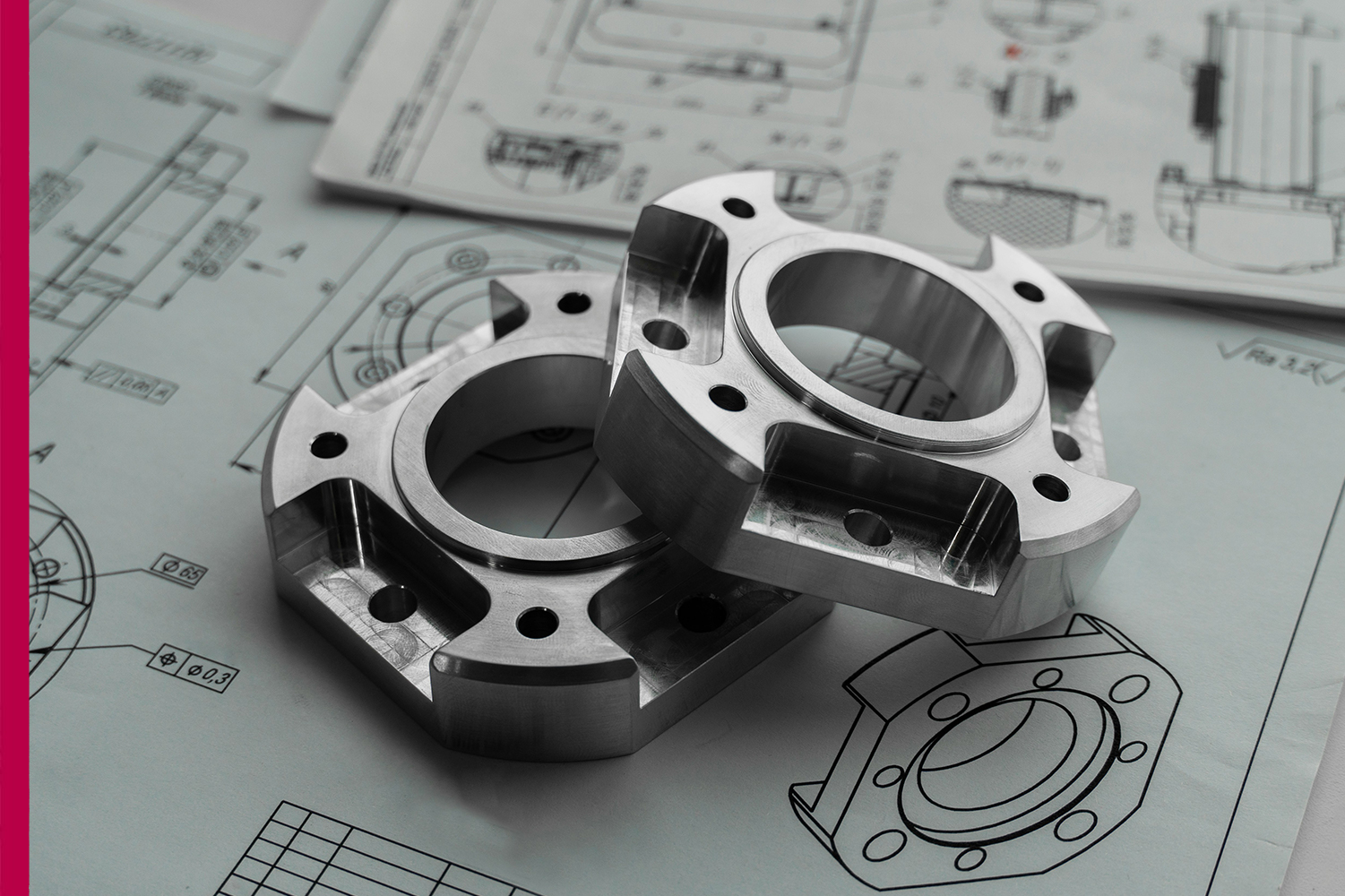
Laser cutting and precision machining technologies have significantly improved manufacturing capabilities. Modern laser systems offer exceptional accuracy, speed, and flexibility, allowing manufacturers to create complex metal components with minimal waste. Computer Numerical Control (CNC) machining systems further enhance precision and consistency, supporting high-quality production across a wide range of applications.
Digital twin technology is gaining popularity in metal manufacturing. Digital twins are virtual replicas of physical equipment, production lines, or entire facilities. Manufacturers use these models to simulate operations, identify inefficiencies, test improvements, and optimize production processes without disrupting actual manufacturing activities. This technology improves planning, reduces costs, and accelerates innovation.
Supply chain innovation is also shaping the future of metal manufacturing. Advanced analytics, blockchain technology, and digital inventory management systems improve supply chain visibility and transparency. Manufacturers can better track raw materials, monitor shipments, and respond quickly to disruptions, ensuring smoother operations and improved customer service.
Workforce development remains an important aspect of technological transformation. As manufacturing becomes more digitally driven, employees require new skills related to automation, robotics, data analysis, and advanced manufacturing technologies. Companies are increasingly investing in training programs to prepare workers for the evolving industrial landscape.
Despite these advancements, the industry faces challenges such as rising energy costs, global competition, supply chain disruptions, and environmental regulations. Manufacturers must continuously innovate to maintain competitiveness while meeting sustainability and quality standards.
Looking ahead, the future of metal manufacturing will be shaped by greater automation, smarter factories, advanced materials, and environmentally responsible production methods. Technologies such as AI, additive manufacturing, IoT, and digital twins will continue to enhance productivity, flexibility, and innovation across the industry.
In conclusion, metal manufacturing innovations are transforming industrial production by improving efficiency, precision, sustainability, and competitiveness. By embracing advanced technologies and modern production methods, manufacturers are better equipped to meet the demands of a rapidly changing global economy. As innovation continues to accelerate, metal manufacturing will remain a vital driver of economic growth, technological advancement, and industrial development worldwide.