

Urban development is entering a new era driven by rapid population growth, technological innovation, environmental awareness, and changing lifestyles. Today, more than half of the world’s population lives in urban areas, and this number is expected to continue rising in the coming decades. As cities expand, governments, urban planners, architects, and businesses are reimagining how urban spaces should be designed and managed. The future of urban development focuses on creating smart, sustainable, inclusive, and resilient cities that improve quality of life while supporting economic growth and environmental conservation.
One of the most significant trends shaping urban development is the rise of smart cities. Smart cities use advanced technologies such as Artificial Intelligence (AI), the Internet of Things (IoT), cloud computing, and data analytics to improve public services and infrastructure. Smart traffic management systems, intelligent street lighting, digital governance platforms, and connected public transportation help cities operate more efficiently while reducing costs and enhancing the daily lives of residents.
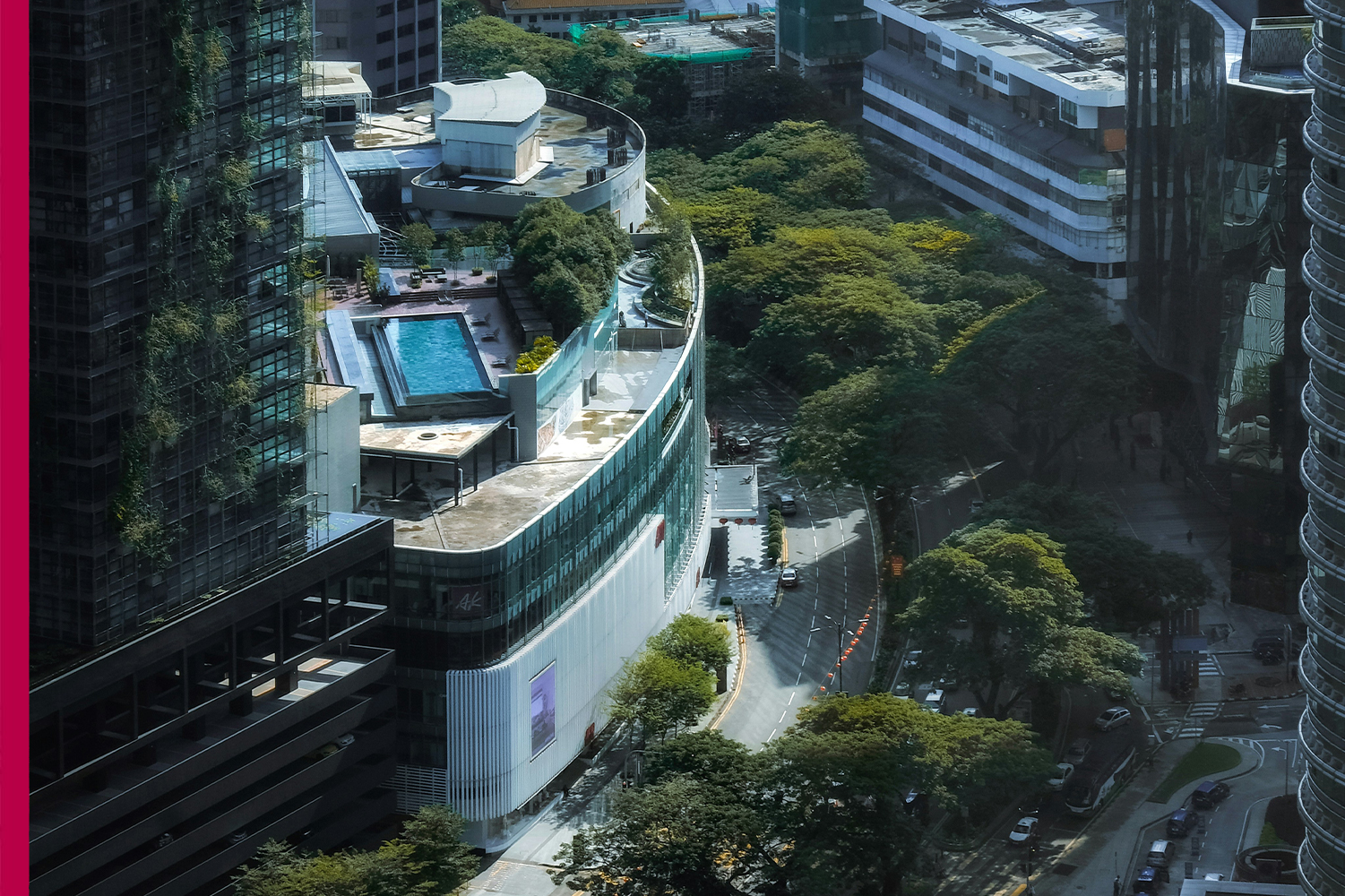
Sustainability has become a central priority in modern urban planning. Future cities will increasingly incorporate energy-efficient buildings, renewable energy sources, green spaces, and environmentally friendly construction practices. Solar panels, rainwater harvesting systems, green roofs, and energy-efficient lighting are becoming standard features in new developments. These initiatives reduce carbon emissions, conserve natural resources, and contribute to healthier urban environments.
Mixed-use development is another important aspect of future urban planning. Instead of separating residential, commercial, and recreational areas, planners are designing neighborhoods where people can live, work, shop, and socialize within the same community. This approach reduces travel distances, lowers traffic congestion, encourages walking and cycling, and creates more vibrant neighborhoods.
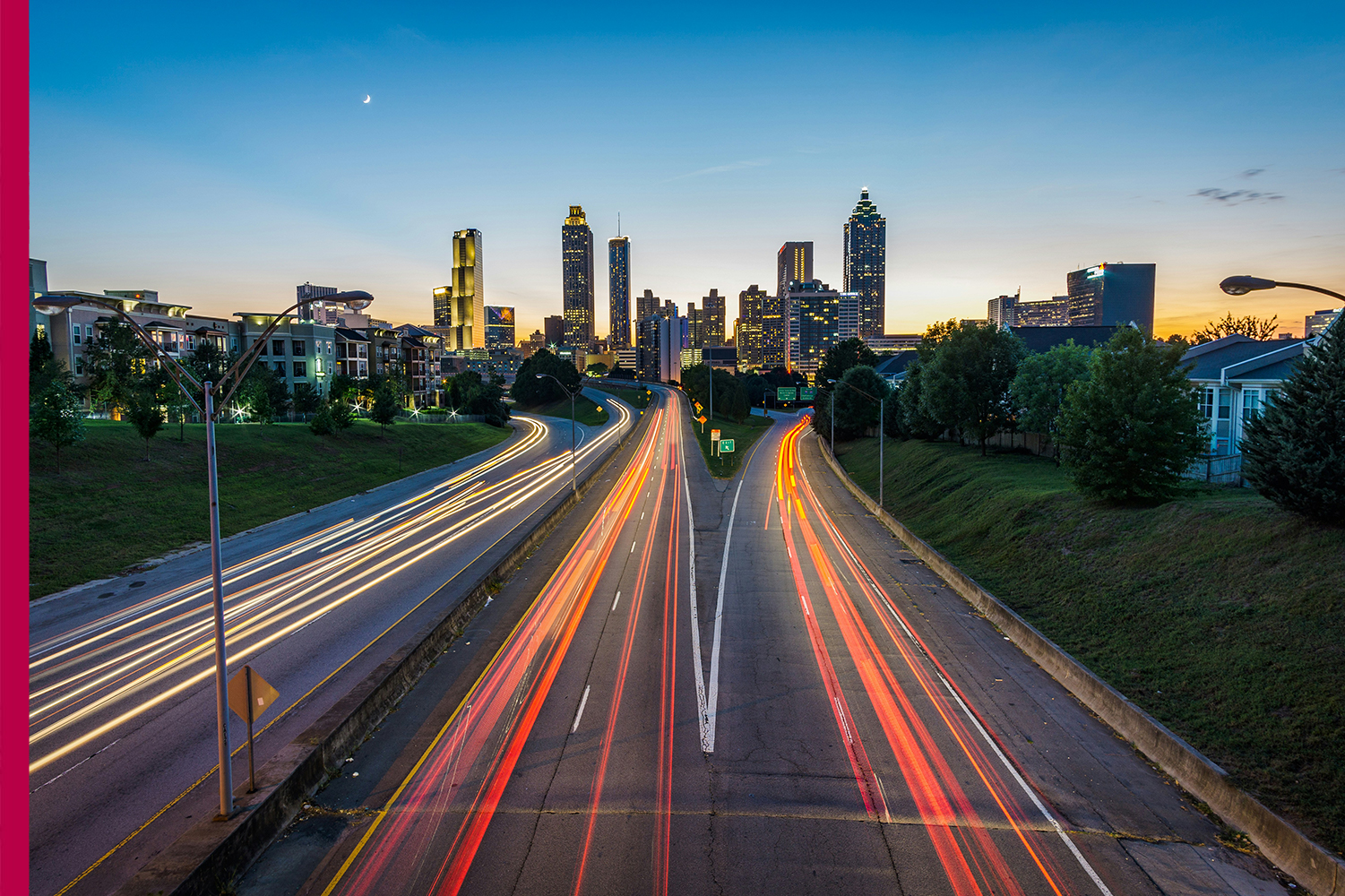
Transportation infrastructure will continue to evolve as cities embrace sustainable mobility solutions. Electric vehicles, autonomous transportation, bicycle-sharing programs, pedestrian-friendly streets, and efficient public transit systems will reduce dependence on private vehicles. Intelligent transportation systems will use real-time data to improve traffic flow, minimize congestion, and reduce environmental impact.
Affordable housing remains one of the greatest challenges facing rapidly growing cities. Urban development strategies increasingly focus on providing quality housing that is accessible to people across different income levels. Governments and private developers are working together to promote affordable residential projects, sustainable construction methods, and inclusive housing policies that support balanced urban growth.
Technology will play an even greater role in urban management. Digital twins, which are virtual models of cities, enable planners to simulate infrastructure projects, monitor utilities, and optimize urban services before implementation. Artificial Intelligence can analyze population trends, environmental conditions, and infrastructure needs, helping governments make data-driven planning decisions that improve efficiency and resilience.
Climate resilience is becoming a major consideration in urban development. Cities are increasingly vulnerable to extreme weather events, flooding, rising temperatures, and other climate-related risks. Future urban planning includes resilient infrastructure, improved drainage systems, flood-resistant construction, urban forests, and disaster preparedness strategies that help communities adapt to changing environmental conditions.
Public spaces will remain essential for creating healthy and connected communities. Parks, community centers, cultural venues, sports facilities, and pedestrian-friendly streets encourage social interaction, improve physical and mental well-being, and enhance the overall quality of urban life. Future cities will prioritize human-centered design that balances technological advancement with community engagement.
Digital governance is transforming how cities interact with residents. Online platforms allow citizens to access government services, report civic issues, participate in public consultations, and receive real-time updates on municipal projects. Smart governance improves transparency, efficiency, and citizen participation while strengthening trust between governments and communities.
Despite these advancements, urban development faces several challenges. Rapid population growth, infrastructure financing, housing affordability, environmental sustainability, and equitable access to public services require careful planning and long-term investment. Collaboration among governments, private developers, technology companies, and local communities is essential for addressing these complex issues.
The future of urban development will also emphasize economic resilience by supporting innovation hubs, startup ecosystems, digital infrastructure, and sustainable industries. Cities that successfully combine technology, sustainability, and inclusivity will attract investment, create employment opportunities, and enhance their global competitiveness.
In conclusion, the future of urban development is focused on building cities that are smarter, greener, and more resilient. By integrating advanced technology, sustainable infrastructure, efficient transportation, affordable housing, and community-centered planning, urban areas can provide better living standards while protecting the environment. As cities continue to evolve, innovative urban development strategies will play a crucial role in creating thriving communities that meet the needs of both present and future generations.