






In today’s highly competitive retail landscape, offering quality products alone is no longer enough to attract and retain customers. Modern consumers expect personalized service, seamless shopping experiences, and meaningful interactions with brands. As a result, customer experience (CX) has become one of the most important factors influencing retail success. Businesses that prioritize customer satisfaction not only increase sales but also build long-term loyalty, strengthen their brand reputation, and gain a competitive advantage.
Customer experience refers to every interaction a consumer has with a retail brand throughout the buying journey. It begins when a customer first discovers a product or service and continues through browsing, purchasing, delivery, after-sales support, and future engagements. Every touchpoint contributes to the customer’s overall perception of the brand.
One of the most important aspects of customer experience is convenience. Today’s shoppers value fast, simple, and hassle-free purchasing processes. Whether shopping online or visiting a physical store, customers expect easy navigation, quick checkouts, multiple payment options, and efficient customer service. Retailers that simplify the shopping process are more likely to encourage repeat business.
Personalization has become a major driver of customer satisfaction. Modern technology enables retailers to understand customer preferences through purchase history, browsing behavior, and feedback. By using this information, businesses can recommend relevant products, offer customized promotions, and deliver personalized communication. Customers appreciate brands that understand their needs and provide tailored experiences.
The growth of omnichannel retail has further transformed customer expectations. Consumers now interact with brands through websites, mobile apps, social media platforms, physical stores, and online marketplaces. They expect a consistent experience across all these channels. A customer should be able to browse products online, check store availability, make purchases through a mobile app, and receive efficient after-sales support without any disruption. Omnichannel strategies help create a seamless shopping journey.
Customer service remains one of the strongest influences on retail success. Friendly, knowledgeable, and responsive staff can significantly improve customer satisfaction. Whether addressing product inquiries, resolving complaints, or assisting with returns, excellent customer service builds trust and strengthens relationships. Businesses that respond quickly and professionally to customer concerns are more likely to retain loyal customers.
Technology is playing an increasingly important role in enhancing retail experiences. Artificial intelligence powers chatbots that provide instant customer support, while virtual assistants help shoppers find products more efficiently. Smart recommendation systems suggest items based on customer preferences, improving both convenience and sales opportunities. These technologies create more engaging and efficient shopping experiences.
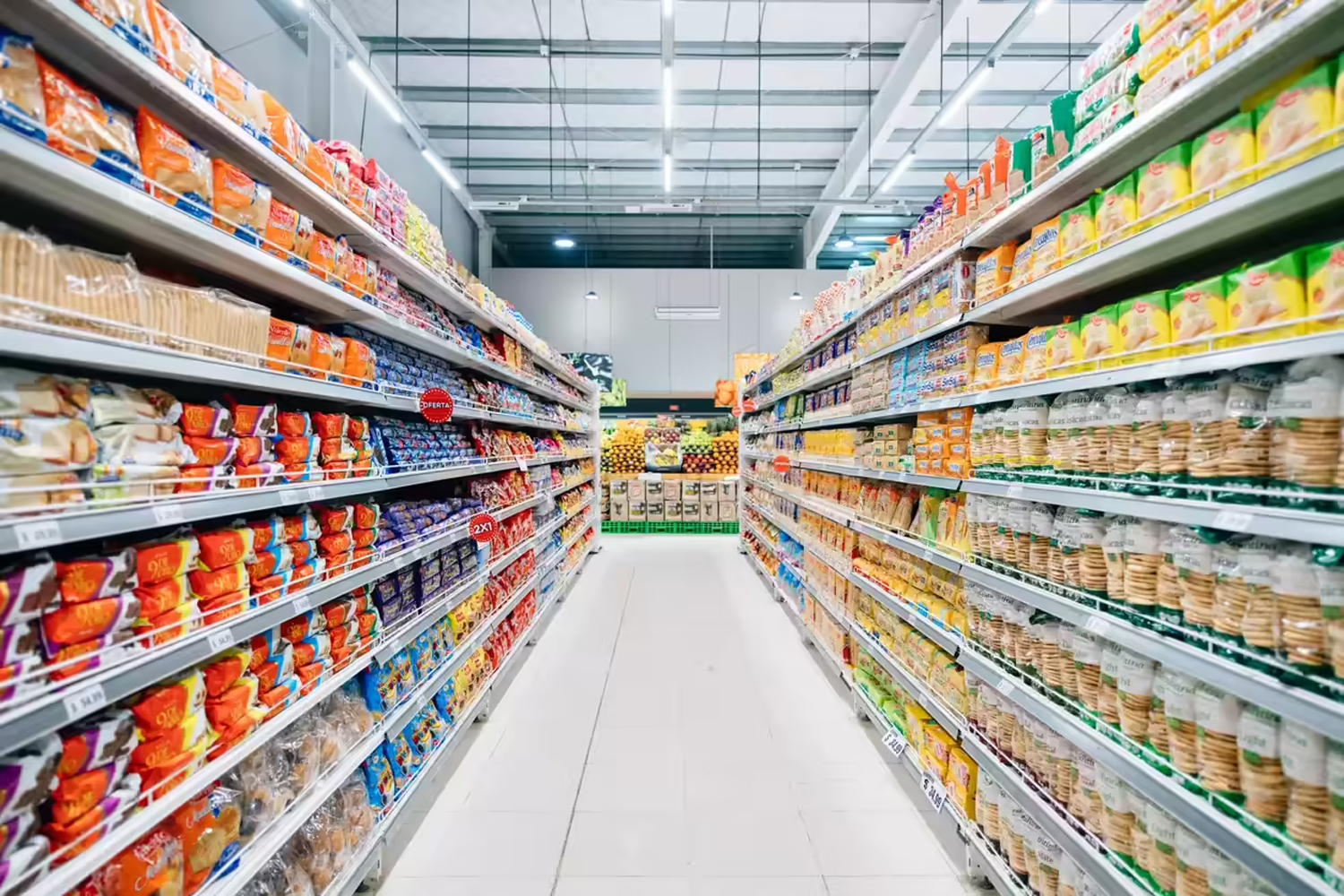
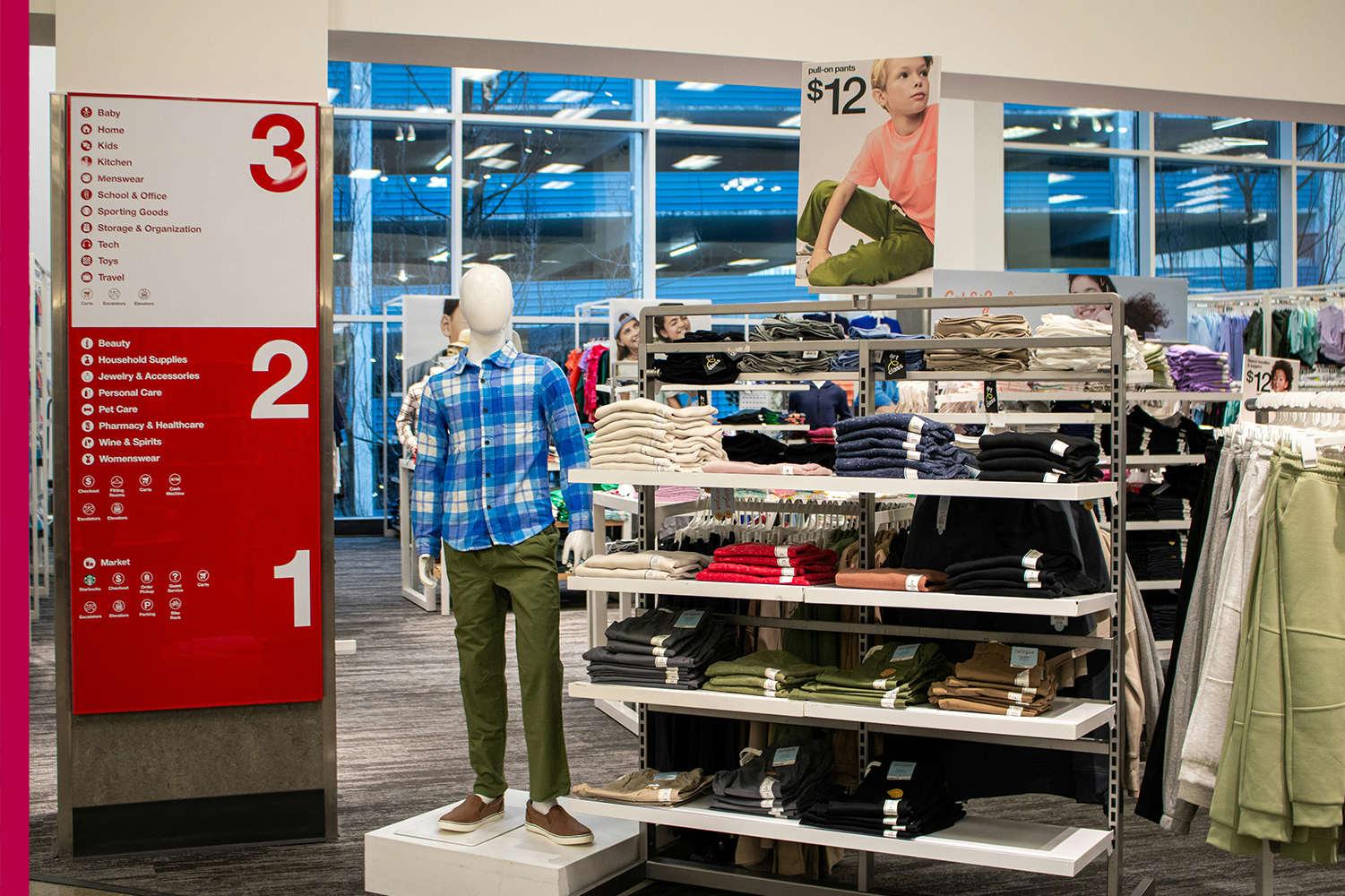
Store design and atmosphere also contribute to customer experience. Well-organized layouts, attractive displays, comfortable environments, and clear product information make shopping more enjoyable. Modern retail stores often incorporate interactive digital displays, self-service kiosks, and contactless payment systems to improve customer convenience and engagement.
Fast and reliable delivery has become a critical expectation, especially in e-commerce. Customers value accurate delivery timelines, order tracking, and flexible shipping options. Efficient logistics and inventory management help retailers meet these expectations while reducing delays and improving customer satisfaction.
Loyalty programs are another effective way to enhance customer experience. Reward points, exclusive discounts, personalized offers, and membership benefits encourage repeat purchases and strengthen customer relationships. Successful loyalty programs make customers feel valued while increasing long-term engagement with the brand.
Customer feedback plays an essential role in improving retail services. Reviews, surveys, and social media interactions provide valuable insights into customer expectations and areas for improvement. Retailers that actively listen to customer feedback and implement meaningful changes demonstrate a commitment to continuous improvement.
Sustainability is also influencing customer experience. Many consumers prefer brands that prioritize environmentally responsible practices, ethical sourcing, and sustainable packaging. Retailers that align with these values often build stronger emotional connections with environmentally conscious customers.
Despite these opportunities, retailers face several challenges in delivering exceptional customer experiences. Rapid technological change, rising customer expectations, increasing competition, and maintaining consistency across multiple channels require continuous investment and innovation. Businesses must also protect customer data and maintain trust while offering personalized services.
The future of retail customer experience will be shaped by artificial intelligence, augmented reality, virtual shopping assistants, predictive analytics, and immersive digital experiences. These innovations will allow retailers to create even more personalized, convenient, and engaging shopping journeys.
In conclusion, customer experience has become the foundation of success in the modern retail industry. By focusing on personalization, convenience, excellent service, technology, and customer satisfaction, retailers can build lasting relationships and achieve sustainable growth. As consumer expectations continue to evolve, businesses that consistently deliver exceptional experiences will remain leaders in the competitive retail marketplace.