




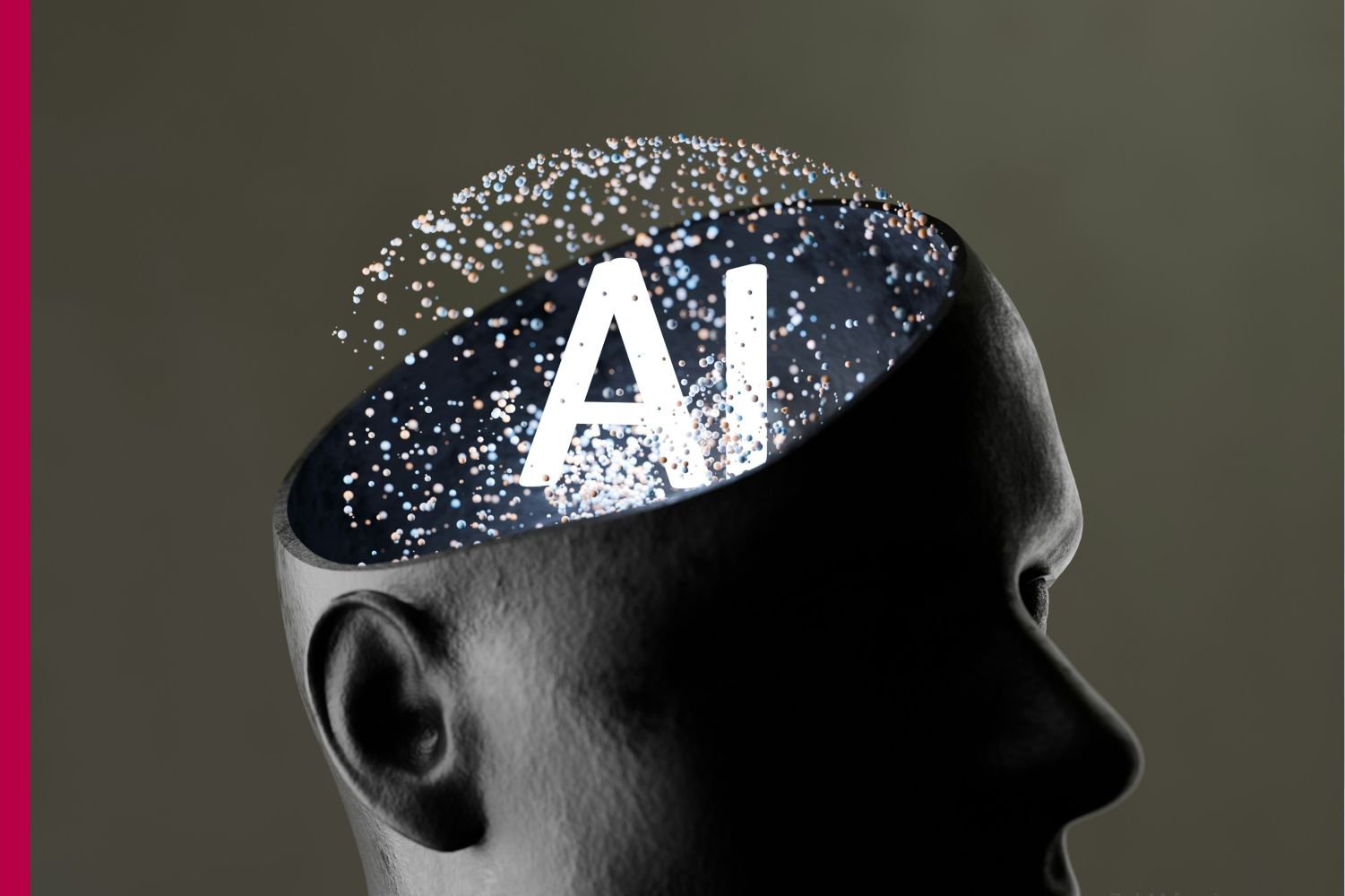
Artificial Intelligence (AI) has become one of the most transformative technologies shaping the modern business world. From automating routine tasks to improving customer experiences and supporting better decision-making, AI offers significant opportunities for businesses of all sizes. Small and Medium Enterprises (SMEs) can benefit greatly from AI adoption by increasing efficiency, reducing costs, and improving competitiveness. However, many SMEs face several challenges when implementing AI solutions due to limited resources, technical barriers, and concerns about long-term investment.
One of the biggest challenges for SMEs adopting AI is the high initial cost. Implementing AI systems often requires investment in software, infrastructure, data management tools, and skilled professionals. While large organizations may have dedicated technology budgets, SMEs frequently operate with limited financial resources. The cost of AI development, customization, and maintenance can make adoption difficult, especially for smaller businesses that are still focusing on daily operations and growth.
Another major barrier is the lack of technical expertise. AI technologies require knowledge of data science, machine learning, automation, and digital systems. Many SMEs do not have in-house experts who can manage AI projects effectively. Hiring specialized professionals can be expensive, and training existing employees requires time and resources. Without proper knowledge, businesses may struggle to select the right AI tools or integrate them successfully into their operations.
Data availability and quality also play a crucial role in successful AI adoption. AI systems depend on large amounts of accurate and organized data to produce meaningful results. Many SMEs lack structured data collection systems or have incomplete records, making it difficult to train AI models effectively. Poor-quality data can lead to inaccurate predictions, inefficient processes, and unreliable business decisions.
Cybersecurity and data privacy concerns are additional challenges for SMEs. AI systems often process sensitive business and customer information, creating potential risks if data protection measures are not strong enough. Small businesses may not have advanced cybersecurity systems or dedicated security teams to protect AI-based solutions. Ensuring safe data practices and compliance with privacy regulations is essential for building customer trust.
Resistance to change among employees can also slow AI adoption. Many workers may feel uncertain about new technologies or worry that automation could affect their roles. Successful AI implementation requires effective communication, employee training, and a focus on how AI can support human work rather than replace it. Creating a culture of innovation can help businesses overcome hesitation and encourage technology acceptance.
Choosing the right AI solution is another challenge for SMEs. The market offers numerous AI tools, but not every solution is suitable for every business. SMEs need to carefully evaluate their needs, goals, and available resources before investing in AI technology. Implementing unnecessary or overly complex systems can result in wasted investment and limited benefits.

Integration with existing business systems is also a common obstacle. Many SMEs already use accounting software, customer management platforms, inventory systems, or other digital tools. Connecting AI solutions with these existing systems can require technical adjustments and expertise. Compatibility issues may delay implementation and increase costs.
Despite these challenges, AI adoption presents valuable opportunities for SMEs. AI-powered tools can automate administrative tasks, improve marketing strategies, enhance customer service, optimize inventory management, and provide valuable business insights. Cloud-based AI solutions and affordable AI platforms are making the technology more accessible to smaller businesses.
Despite these challenges, AI adoption presents valuable opportunities for SMEs. AI-powered tools can automate administrative tasks, improve marketing strategies, enhance customer service, optimize inventory management, and provide valuable business insights. Cloud-based AI solutions and affordable AI platforms are making the technology more accessible to smaller businesses.Governments, technology providers, and industry organizations can support SMEs by offering training programs, financial assistance, and simplified AI solutions. Collaboration with technology partners can also help SMEs overcome technical barriers and implement AI effectively.
In conclusion, AI adoption can help SMEs become more innovative, efficient, and competitive, but several challenges must be addressed. Financial limitations, skill shortages, data issues, cybersecurity risks, and organizational resistance are key barriers to overcome. With proper planning, education, and support, SMEs can successfully integrate AI into their operations and unlock new opportunities in the digital economy.