


Energy efficiency has become a critical priority for industries worldwide as businesses seek to reduce operational costs, improve productivity, and meet sustainability goals. Industrial sectors such as manufacturing, mining, chemicals, food processing, and construction consume a significant portion of global energy resources. As energy prices fluctuate and environmental concerns intensify, industries are increasingly adopting energy-efficient technologies and practices to optimize resource utilization and minimize their environmental impact. Energy efficiency is no longer just an environmental responsibility—it has become a strategic business advantage.
Energy efficiency in industries refers to the use of less energy to perform the same tasks or produce the same output. By improving equipment performance, reducing waste, and optimizing processes, industries can significantly lower energy consumption without compromising productivity. These improvements help businesses reduce operating expenses while contributing to broader environmental and sustainability objectives.
One of the most effective ways industries improve energy efficiency is through the adoption of modern technologies. Advanced machinery, energy-efficient motors, automated systems, and smart sensors consume less power while delivering higher performance. Replacing outdated equipment with energy-efficient alternatives often results in substantial long-term savings. Industrial automation systems can also monitor energy usage in real time, helping managers identify inefficiencies and implement corrective measures.
Smart manufacturing and Industry 4.0 technologies are playing a major role in enhancing industrial energy efficiency. Internet of Things (IoT) devices, Artificial Intelligence (AI), and data analytics enable companies to monitor operations, predict maintenance needs, and optimize production processes. These technologies provide valuable insights into energy consumption patterns, allowing businesses to make informed decisions that improve efficiency and reduce waste.
Energy management systems have become increasingly important in industrial operations. These systems help organizations track energy usage across facilities, identify areas of excessive consumption, and establish performance benchmarks. Regular energy audits allow businesses to assess their energy performance and uncover opportunities for improvement. By implementing structured energy management strategies, industries can achieve significant cost reductions and operational benefits.
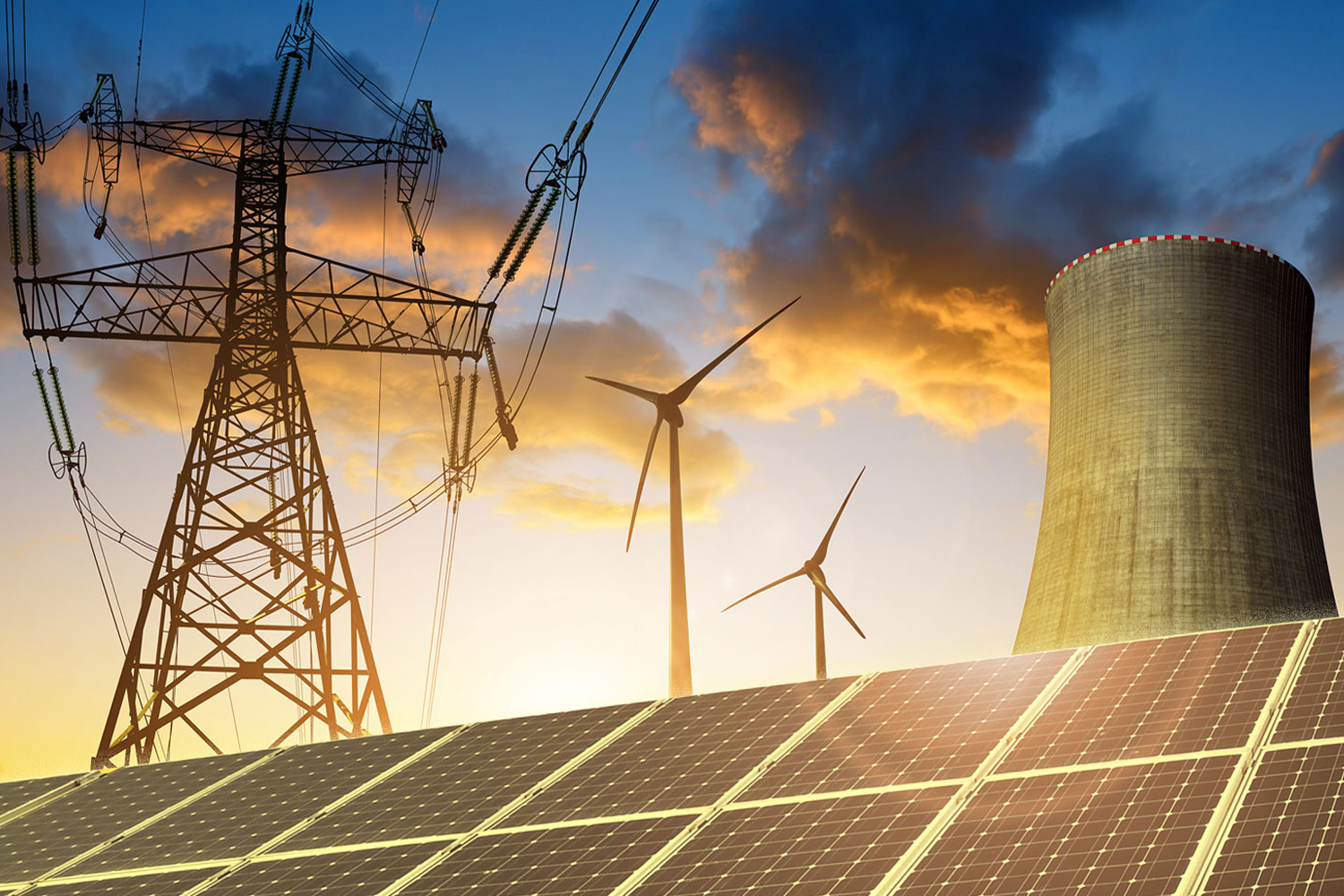
Renewable energy integration is another growing trend in industrial energy efficiency. Many companies are investing in solar panels, wind energy systems, biomass facilities, and other renewable energy sources to supplement traditional power supplies. Renewable energy not only reduces dependence on fossil fuels but also helps businesses lower carbon emissions and achieve sustainability targets. As renewable technologies become more affordable, their adoption within industrial sectors continues to increase.
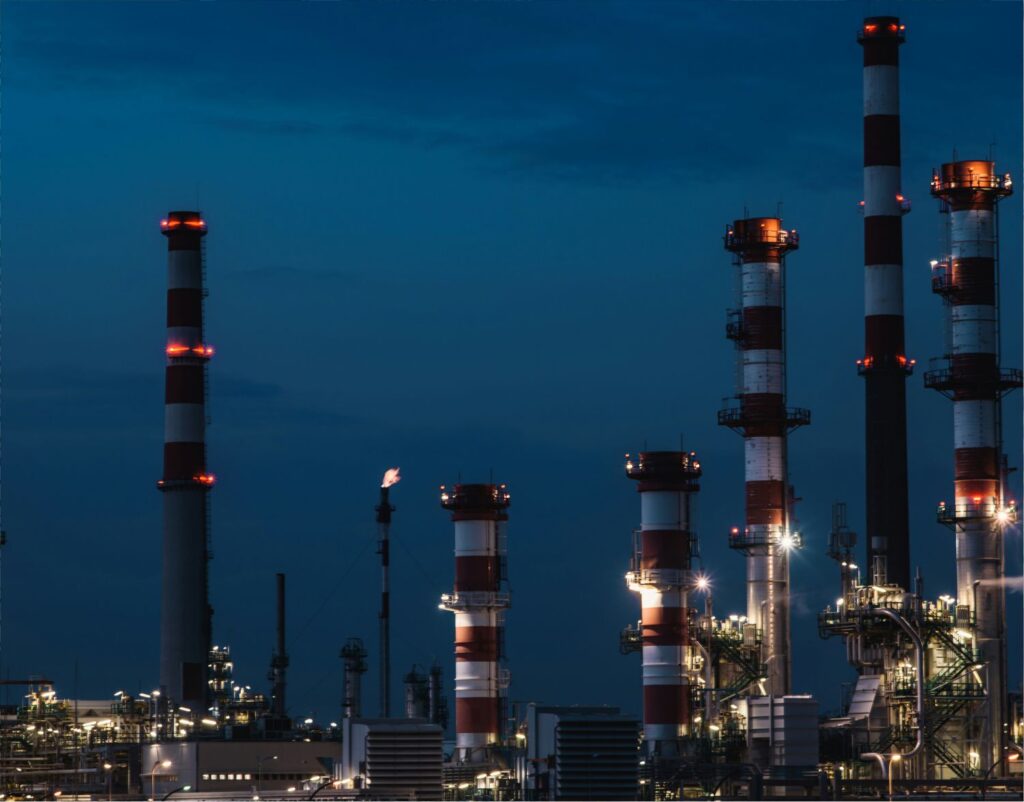
Waste heat recovery is another valuable energy-efficient practice. Many industrial processes generate excess heat that can be captured and reused for heating, power generation, or other production activities. By utilizing waste heat effectively, companies can improve overall energy utilization and reduce energy costs.
Environmental regulations and government policies are also encouraging industries to prioritize energy efficiency. Many countries offer incentives, tax benefits, and financial support for businesses that invest in energy-saving technologies. Compliance with environmental standards not only helps companies avoid penalties but also strengthens their reputation among customers, investors, and stakeholders.
Despite its benefits, improving energy efficiency can present challenges. Initial investment costs for new technologies, infrastructure upgrades, and employee training may be substantial. However, the long-term financial savings, improved productivity, and environmental benefits often outweigh these upfront expenses.
In conclusion, energy efficiency in industries is essential for achieving sustainable economic growth and environmental responsibility. Through technological innovation, smart manufacturing, renewable energy integration, and effective energy management, industries can reduce costs, improve competitiveness, and minimize their ecological footprint. As global demand for sustainable business practices continues to rise, energy efficiency will remain a key driver of industrial success and long-term resilience.