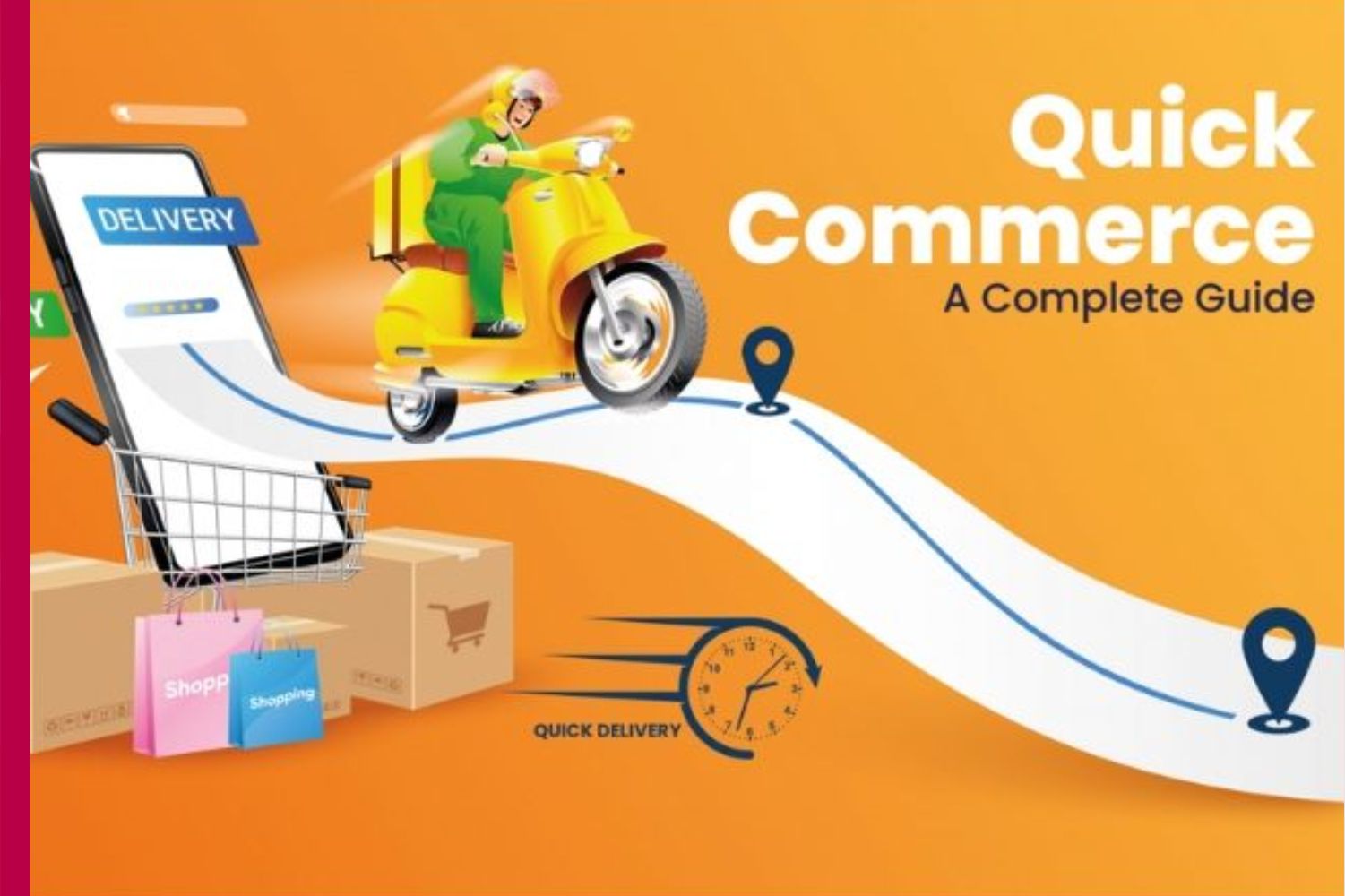





The growth of digital technology and e-commerce has transformed how small businesses operate and reach customers. Selling online is no longer limited to large corporations; today, small businesses across industries use digital platforms to promote products, connect with audiences, and grow revenue. From handmade crafts and fashion products to food services and digital solutions, online selling has created new opportunities for entrepreneurs to compete in global markets with relatively low investment.
One of the biggest advantages of selling online is the ability to reach a larger customer base. Traditional physical stores are limited by location and operating hours, while online businesses can operate 24/7 and attract customers from different cities, countries, and regions. E-commerce platforms, websites, and social media marketplaces allow small businesses to showcase products and services to millions of potential buyers worldwide.
The affordability of online business operations is another major reason why many entrepreneurs prefer digital selling. Opening a physical store often requires high expenses such as rent, utilities, staffing, and infrastructure. Online businesses can start with lower investment by using social media pages, online marketplaces, or simple e-commerce websites. This accessibility has encouraged many individuals, startups, and home-based businesses to enter the digital marketplace.
Social media has become a powerful tool for small business growth. Platforms such as Instagram, Facebook, TikTok, and WhatsApp help businesses promote products, communicate directly with customers, and build brand identity. Digital marketing strategies including influencer collaborations, paid advertising, short videos, and customer engagement campaigns help increase visibility and sales. Small businesses can now compete with larger brands by using creative and targeted online marketing techniques.
Customer convenience is another factor driving online shopping growth. Consumers prefer the flexibility of browsing products, comparing prices, reading reviews, and placing orders from their smartphones or computers. Fast delivery services, digital payment systems, and personalized recommendations have further improved the online shopping experience. Businesses that provide user-friendly websites and responsive customer service are more likely to attract loyal customers.
Technology has also simplified business management for online sellers. Inventory management software, digital payment gateways, analytics tools, and customer relationship management systems help businesses operate more efficiently. Data analytics allows entrepreneurs to understand customer behavior, track sales performance, and improve marketing strategies. Automation tools further reduce workload and increase productivity.

Despite its opportunities, online selling also presents challenges for small businesses. Intense competition in the digital marketplace makes it difficult for businesses to stand out. Building customer trust is especially important because online buyers often rely on reviews, ratings, and brand reputation before making purchases. Businesses must focus on product quality, secure payment systems, and reliable delivery services to maintain customer confidence.
Cybersecurity and online fraud are additional concerns in e-commerce. Small businesses must protect customer information and secure online transactions from cyber threats. Digital literacy and technical knowledge are also essential for managing online operations effectively.
Logistics and delivery management can sometimes be challenging, especially for businesses serving large geographic areas. Delayed deliveries, damaged products, or poor customer support can affect reputation and sales. Efficient supply chain management is crucial for long-term success in online selling.
In conclusion, small business selling online has created significant opportunities for entrepreneurship, innovation, and economic growth. Digital platforms allow businesses to expand beyond traditional boundaries and connect directly with customers worldwide. While challenges such as competition and cybersecurity exist, businesses that embrace technology, customer engagement, and effective online strategies can achieve strong growth in today’s digital economy.