



Military modernization programs have become a major priority for nations around the world as global security challenges continue to evolve. Modern warfare is no longer limited to traditional battlefields involving tanks, ships, and aircraft. Today’s defense strategies increasingly focus on advanced technologies such as Artificial Intelligence (AI), cyber warfare, unmanned systems, space defense, and precision-guided weapons. Governments are investing heavily in military modernization to strengthen national security, improve operational efficiency, and maintain strategic advantages in an increasingly competitive geopolitical environment.
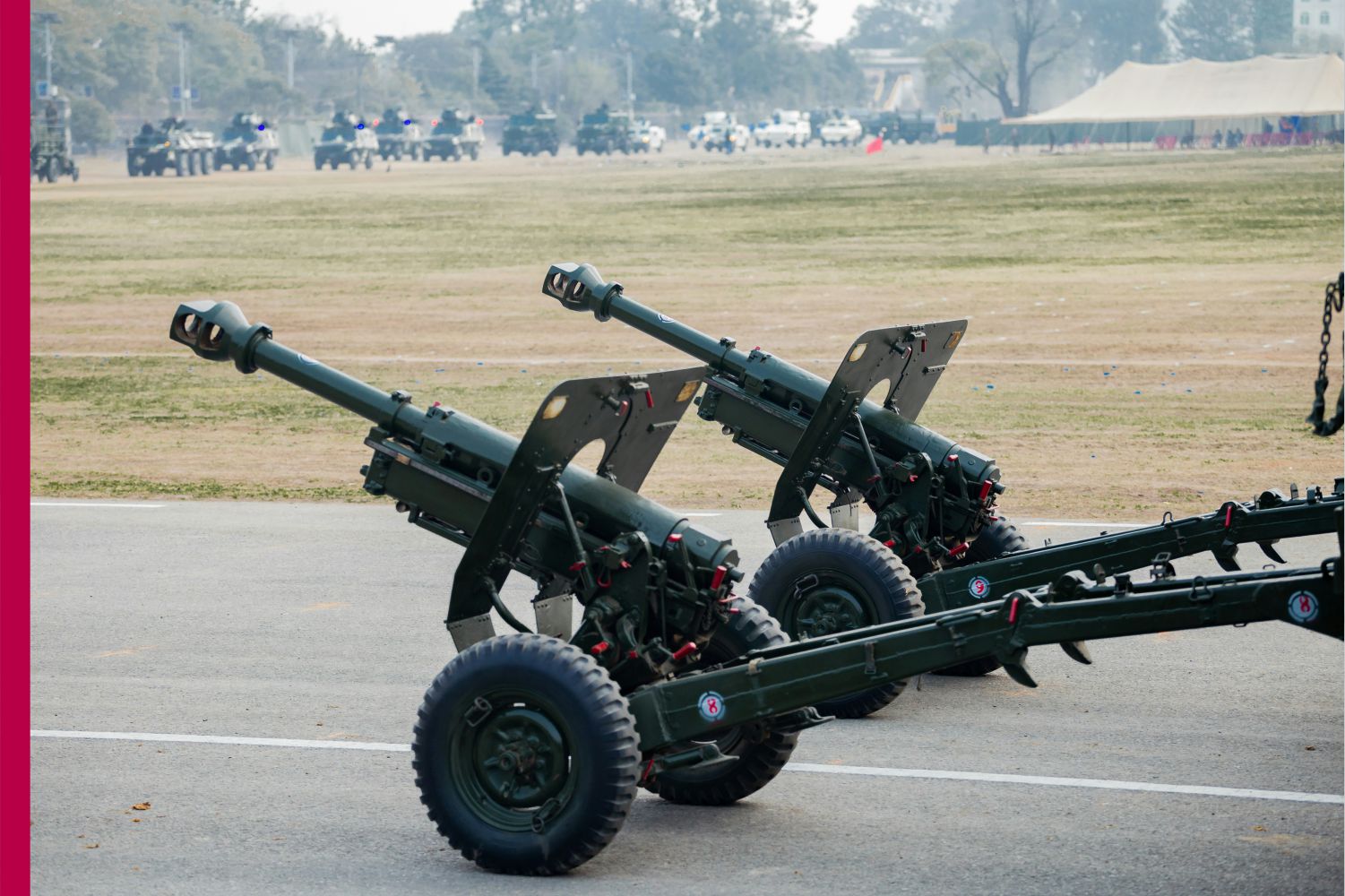
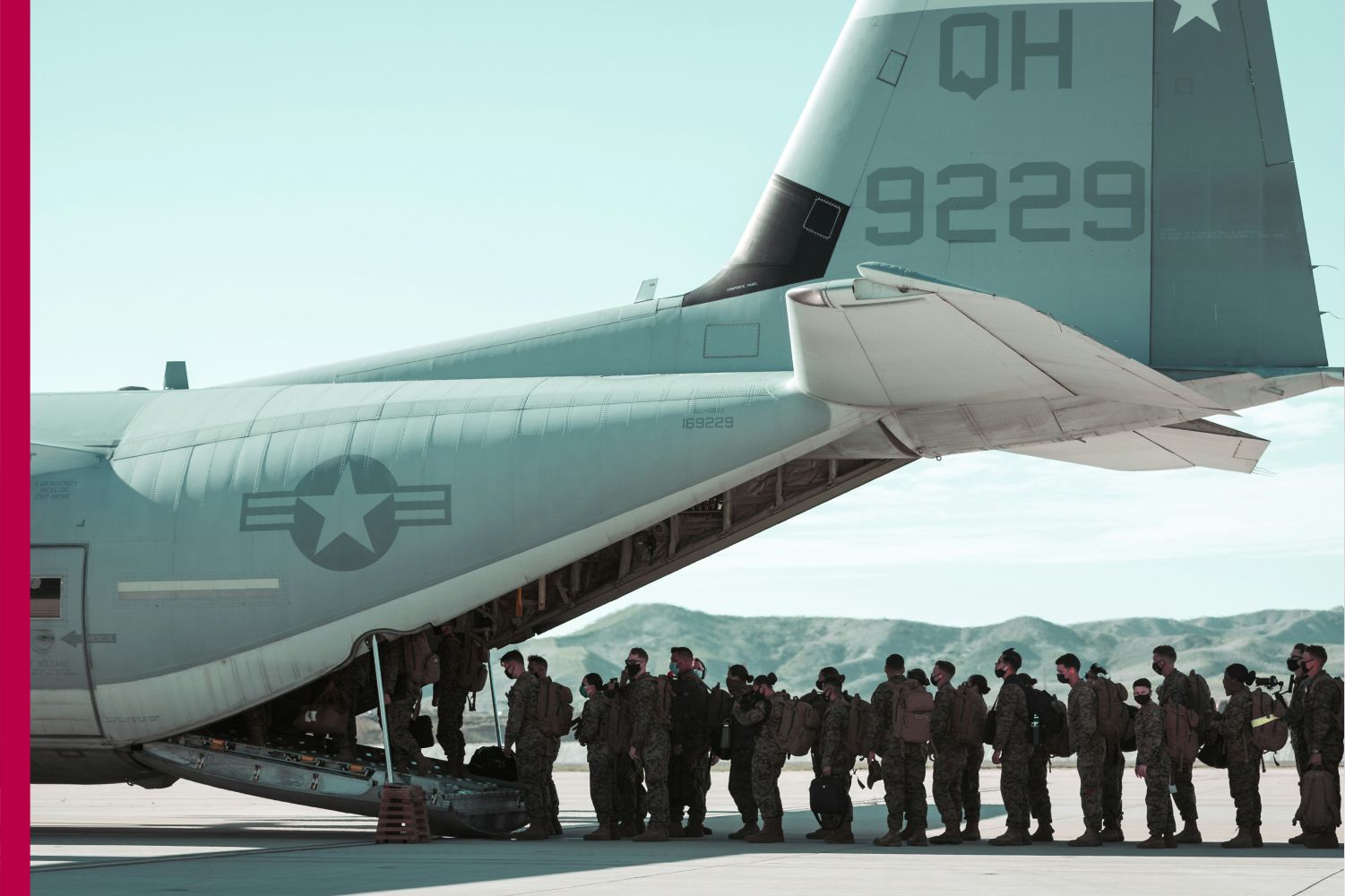
One of the main goals of military modernization programs is to upgrade outdated defense equipment and infrastructure. Many armed forces still operate aging aircraft, naval vessels, communication systems, and armored vehicles that may not meet the demands of modern warfare. Upgrading these systems improves combat readiness, operational effectiveness, and troop safety. Advanced fighter jets, missile defense systems, and next-generation submarines are examples of technologies being integrated into modern military programs.
Technology plays a central role in military modernization. Artificial Intelligence and machine learning are transforming military operations through data analysis, predictive systems, autonomous vehicles, and battlefield decision-making support. AI-powered surveillance systems can analyze large amounts of information quickly, helping defense forces respond more effectively to threats. Autonomous drones and robotic systems are increasingly used for reconnaissance, logistics, and surveillance missions, reducing risks for human personnel.
Cybersecurity and cyber warfare capabilities have also become critical components of modern defense strategies. As governments, industries, and military systems become more digitally connected, cyberattacks pose serious national security risks. Military modernization programs now focus heavily on protecting communication networks, critical infrastructure, and defense systems from cyber threats. Countries are establishing specialized cyber defense units to strengthen digital security and counter potential cyber warfare activities.
Space technology is another rapidly growing area within military modernization. Satellites play an essential role in communication, navigation, intelligence gathering, and missile tracking. Many nations are investing in space defense systems and anti-satellite technologies to secure strategic advantages in modern warfare. Space-based surveillance and defense capabilities are increasingly viewed as essential elements of national security.

Naval modernization is also a major focus for countries seeking to protect maritime trade routes and territorial waters. Advanced warships, submarines, aircraft carriers, and unmanned underwater systems are being developed to improve naval strength and global military presence. Similarly, air force modernization programs emphasize stealth aircraft, hypersonic missiles, and advanced radar systems to improve defense capabilities.
Despite its advantages, military modernization presents significant challenges. Advanced defense technologies require enormous financial investment, research, and technical expertise. Rising military spending can place pressure on national budgets and increase global geopolitical tensions. Ethical concerns also arise regarding autonomous weapons, AI-driven warfare, and surveillance technologies.
International competition further drives military modernization efforts. Nations seek to maintain strategic balance and technological superiority while responding to emerging global threats such as terrorism, cybercrime, and regional conflicts. Defense partnerships and international collaborations are also becoming more important for technology sharing and joint security operations.
In conclusion, military modernization programs are reshaping global defense systems through advanced technology, cybersecurity, automation, and strategic innovation. As security challenges continue to evolve, nations are investing in modern defense capabilities to protect national interests and maintain operational readiness. The future of military modernization will depend on balancing technological advancement, ethical responsibility, and global stability in an increasingly complex security environment.