



Textile innovation is reshaping the global fashion and manufacturing industries through advanced materials, sustainable practices, and smart technologies. Traditionally, textiles were valued mainly for comfort, durability, and appearance. Today, innovation in textile production goes far beyond basic fabric creation, introducing intelligent materials, eco-friendly solutions, and high-performance applications that influence industries such as healthcare, sports, automotive, and technology.
One of the most significant areas of textile innovation is sustainability. The fashion and textile industries have faced increasing pressure to reduce environmental impact caused by water consumption, chemical pollution, and textile waste. As a result, companies are developing eco-friendly fabrics made from organic cotton, bamboo fibers, hemp, recycled plastics, and agricultural waste. Recycled polyester created from plastic bottles is now widely used in sportswear and casual clothing, helping reduce landfill waste and support circular production systems.
Smart textiles represent another major breakthrough in textile innovation. These advanced fabrics are designed with integrated technology that can sense, react, or adapt to environmental conditions. Smart textiles are used in fitness clothing that monitors heart rate and body temperature, medical garments that track patient health, and temperature-regulating fabrics that improve comfort. Wearable technology combined with textiles is creating exciting opportunities in healthcare, sports performance, and personal wellness.
Nanotechnology is also revolutionizing textile manufacturing. By using microscopic particles and coatings, manufacturers can create fabrics with special properties such as water resistance, stain protection, antibacterial functions, and UV protection. These advanced textiles improve product durability and performance while enhancing user convenience. Nanotechnology has become particularly valuable in medical uniforms, outdoor clothing, and industrial safety wear.
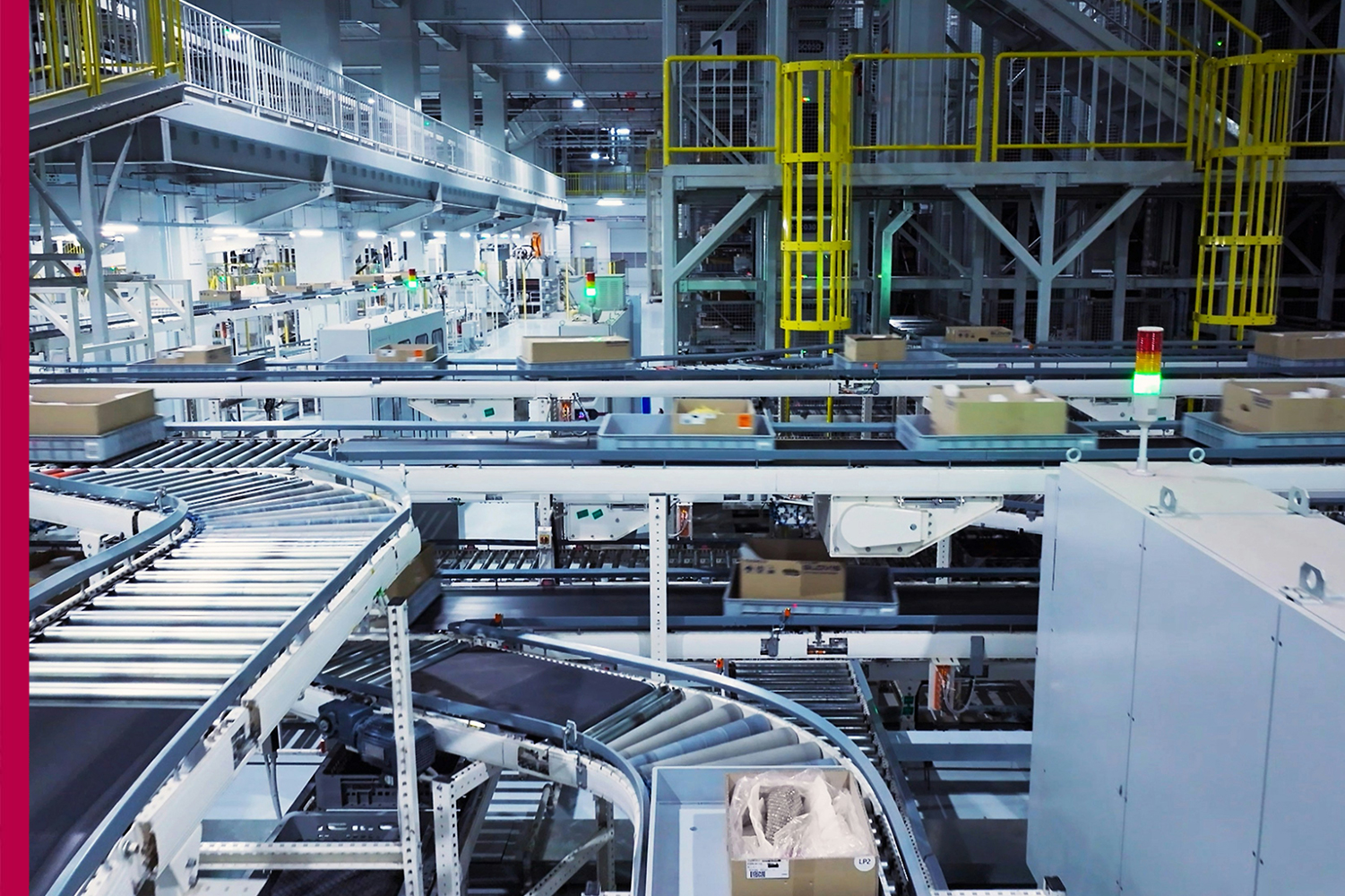
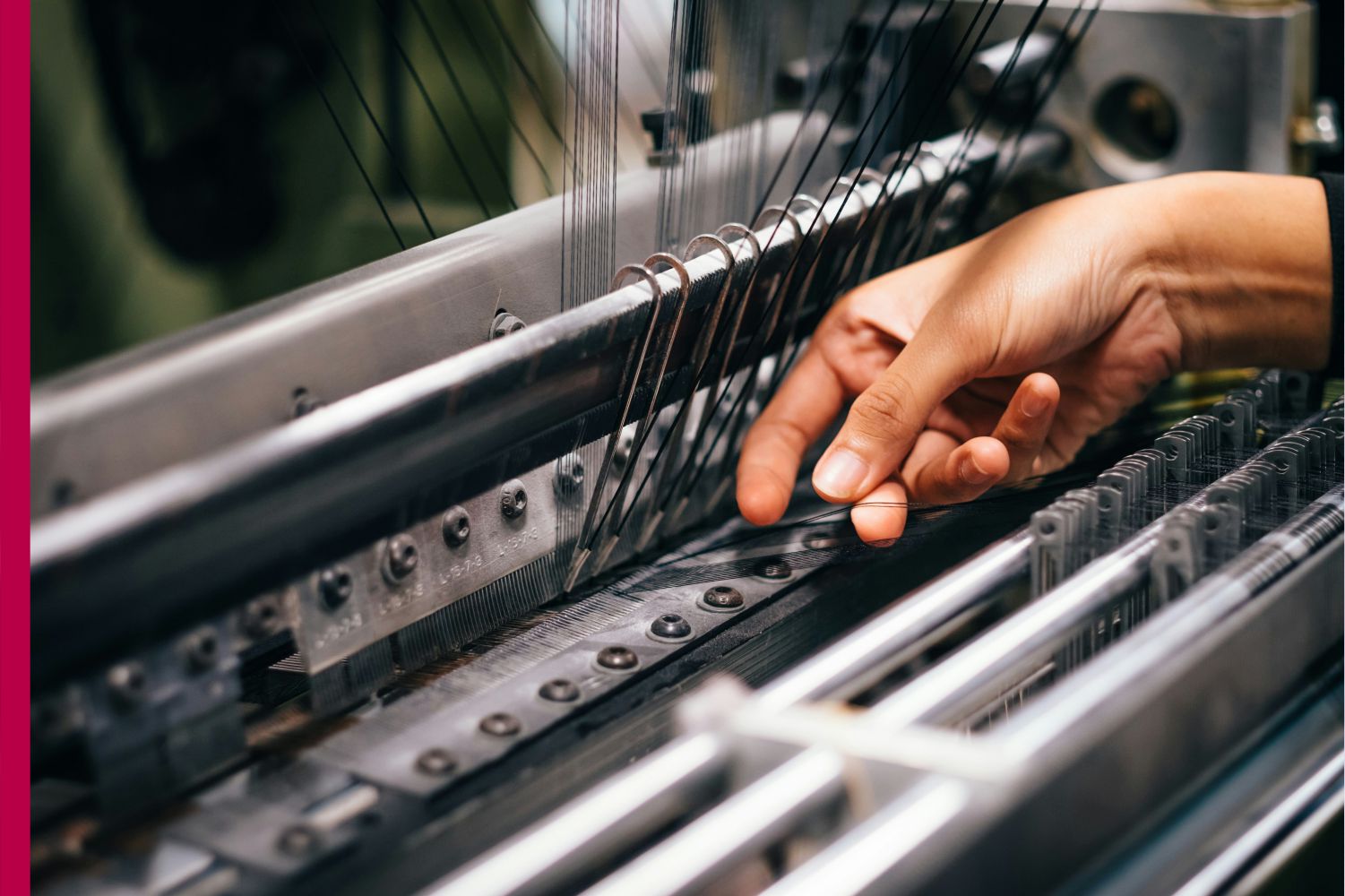
Automation and digital manufacturing are transforming textile production processes. Computerized knitting, 3D printing, and robotic cutting systems increase precision, reduce material waste, and improve production efficiency. Digital printing technology allows complex patterns and custom designs to be produced quickly and accurately, supporting personalized fashion trends and on-demand manufacturing. These innovations help brands respond faster to changing consumer preferences.
Textile innovation is also influencing the automotive and aerospace industries. Lightweight, durable, and heat-resistant fabrics are used in vehicle interiors, airbags, protective equipment, and aircraft components. Technical textiles designed for strength and flexibility improve safety and performance in demanding environments. This demonstrates how textile technology now extends far beyond clothing and fashion.
Another growing trend is biodegradable and regenerative textiles. Scientists and researchers are experimenting with materials that naturally decompose after use, reducing environmental harm. Bio-based fabrics developed from algae, mushrooms, and lab-grown fibers offer promising alternatives to traditional synthetic materials. These innovations aim to create more sustainable production systems for the future.
Consumer demand for comfort, functionality, and ethical production continues to drive textile innovation. Modern buyers increasingly value products that combine style with sustainability and performance. Brands investing in innovative textile solutions can meet these evolving expectations while gaining competitive advantages in global markets.
In conclusion, textile innovation is transforming industries through sustainability, smart technology, advanced manufacturing, and high-performance materials. As research and technology continue to evolve, textiles will play an even greater role in improving everyday life, supporting environmental responsibility, and shaping the future of fashion and industrial applications.