









The apparel industry is one of the largest and most dynamic sectors in the global economy. With fashion trends evolving rapidly and international demand for clothing continuously increasing, export opportunities in apparel have become highly valuable for manufacturers, designers, and businesses worldwide. Countries with strong textile production capabilities and skilled labor are especially benefiting from the growing global fashion market.
One of the biggest advantages of apparel exports is the consistent international demand for clothing products. Apparel is a basic necessity, but it is also influenced by lifestyle, culture, seasonal trends, and personal identity. This creates continuous opportunities for exporting a wide range of products such as casual wear, formal wear, sportswear, children’s clothing, ethnic fashion, and luxury garments. The increasing popularity of online shopping has also expanded global access to fashion products from different regions.
Developing countries with competitive manufacturing costs have become major players in the global apparel export industry. Nations such as India, Bangladesh, Vietnam, and China are known for large-scale garment production and textile expertise. Affordable labor, strong supply chains, and growing manufacturing infrastructure make these countries attractive to international fashion brands and retailers seeking cost-effective production solutions.
Sustainability is creating new export opportunities in apparel. Consumers worldwide are becoming more conscious about environmental impact and ethical production practices. As a result, demand for sustainable clothing made from organic cotton, recycled materials, and eco-friendly dyes is rising. Apparel businesses that focus on ethical sourcing, fair labor practices, and environmentally responsible manufacturing can gain a competitive advantage in global markets.
Technology and digital platforms are also transforming apparel exports. E-commerce marketplaces, digital marketing, and social media allow fashion brands to reach international customers directly without relying entirely on physical retail stores. Small and medium-sized apparel businesses can now showcase products globally, connect with buyers, and manage exports more efficiently through online channels.
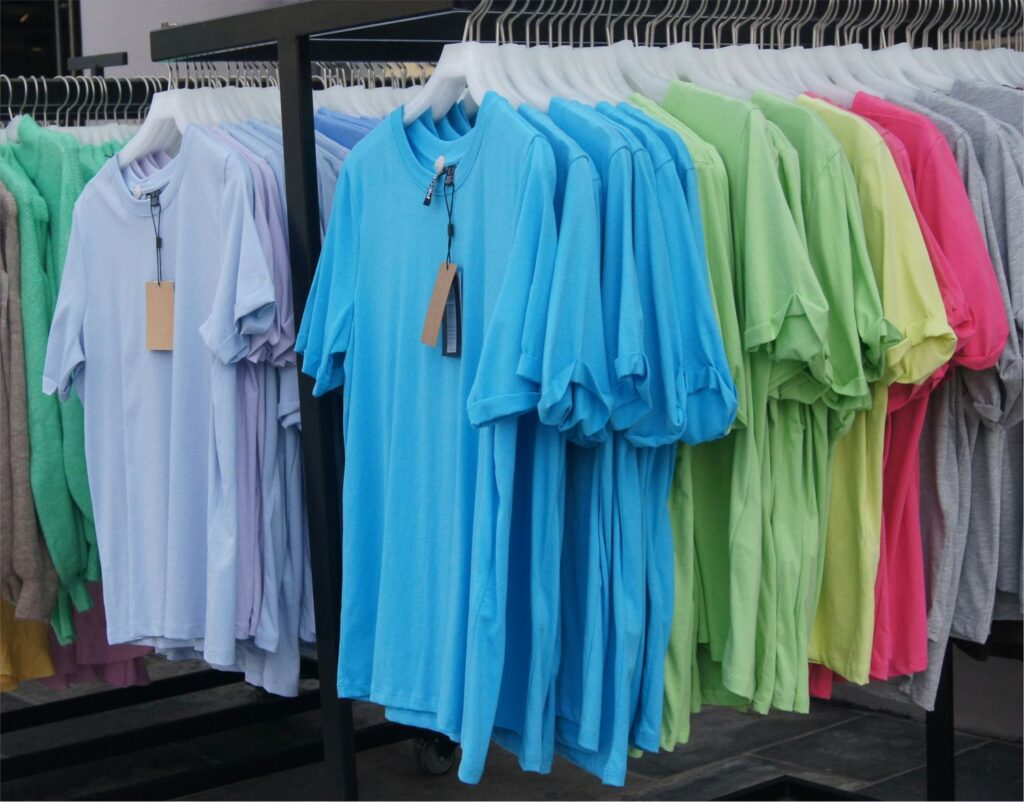
Customization and niche fashion markets are opening additional opportunities. Consumers increasingly seek personalized clothing, cultural designs, handmade garments, and unique fashion collections. Exporters specializing in traditional craftsmanship, regional textiles, or designer apparel can attract international buyers looking for exclusive products with cultural value and originality.
Government support and trade agreements also influence apparel export growth. Many countries offer export incentives, tax benefits, and infrastructure support to encourage textile and garment exports. Free trade agreements reduce tariffs and make apparel products more competitive in foreign markets. Efficient logistics, quality standards, and compliance with international regulations are essential for maintaining strong export relationships.
However, the apparel export industry also faces challenges. Global competition, changing fashion trends, rising raw material costs, and supply chain disruptions can affect profitability. Exporters must maintain high-quality standards, timely delivery, and adaptability to meet international market expectations. Labor rights and environmental compliance are becoming increasingly important factors for global buyers.
In conclusion, export opportunities in apparel continue to grow as global fashion demand expands and consumer preferences evolve. Sustainability, digital commerce, innovation, and cultural diversity are shaping the future of the apparel export market. Businesses that focus on quality, ethical practices, and market trends can successfully tap into international opportunities and contribute significantly to economic growth and employment generation.