



Soil is one of the most valuable natural resources on Earth, serving as the foundation for agriculture, food production, and ecosystem balance. Healthy soil supports plant growth, stores water, recycles nutrients, and sustains beneficial microorganisms. However, factors such as overuse of chemical fertilizers, erosion, pollution, and unsustainable farming practices have damaged soil quality in many regions. Soil health management techniques are essential for restoring fertility, improving crop productivity, and ensuring long-term agricultural sustainability.
One of the most effective soil health management techniques is organic matter addition. Farmers commonly use compost, animal manure, crop residues, and green manure to enrich soil naturally. Organic matter improves soil structure, increases moisture retention, and provides essential nutrients for plants. It also promotes the growth of beneficial microorganisms that help break down nutrients and improve soil fertility over time.
Crop rotation is another important technique used to maintain soil health. Growing the same crop repeatedly can deplete specific nutrients and encourage pests and diseases. By rotating crops with different nutrient needs and root structures, farmers can naturally balance soil nutrients and reduce pest problems. Leguminous crops such as beans and peas are especially valuable because they help fix nitrogen in the soil, reducing the need for synthetic fertilizers.
Cover cropping is increasingly recognized as a sustainable soil management practice. Cover crops are planted during off-seasons to protect the soil from erosion, suppress weeds, and improve soil fertility. Plants like clover, rye, and mustard help maintain soil structure while adding organic material when they decompose. Cover crops also prevent nutrient loss caused by heavy rainfall and wind erosion.
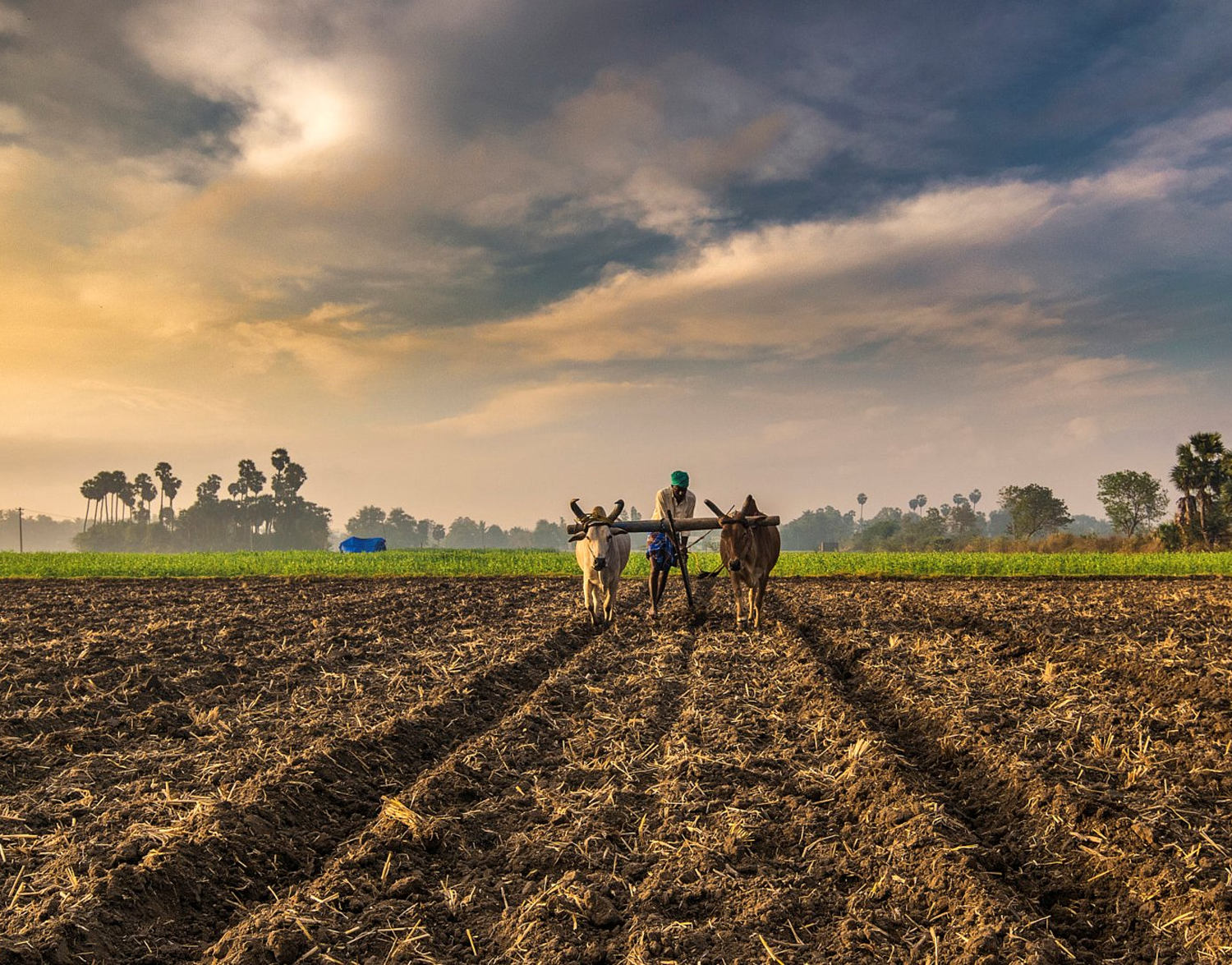
Conservation tillage is another valuable technique that minimizes soil disturbance. Traditional deep plowing can damage soil structure and reduce microbial activity. Reduced tillage or no-till farming helps preserve soil moisture, prevent erosion, and maintain beneficial organisms within the soil ecosystem. This method also reduces fuel consumption and labor costs for farmers.

Proper nutrient management plays a critical role in soil health. Excessive use of chemical fertilizers can lead to soil degradation and water pollution. Soil testing helps farmers understand nutrient deficiencies and apply fertilizers more accurately. Balanced fertilization, combined with organic inputs, improves crop growth while protecting the environment from chemical overuse.
Water management is equally important for maintaining healthy soil. Over-irrigation can cause waterlogging and salinity, while insufficient watering affects soil productivity. Efficient irrigation methods such as drip irrigation and rainwater harvesting help conserve water and maintain balanced soil moisture levels. Mulching is another technique that reduces water evaporation and protects the soil surface from extreme temperatures.
Biological soil management is gaining attention in sustainable agriculture. Beneficial microbes, earthworms, and biofertilizers help improve nutrient cycling and soil structure naturally. These living organisms contribute to healthier and more productive soils without relying heavily on synthetic chemicals.
In conclusion, soil health management techniques are essential for sustainable farming and environmental protection. Practices such as organic matter addition, crop rotation, cover cropping, conservation tillage, and efficient nutrient management help restore soil fertility and improve agricultural productivity. By protecting and nurturing the soil, farmers can ensure long-term food security and preserve the environment for future generations.