

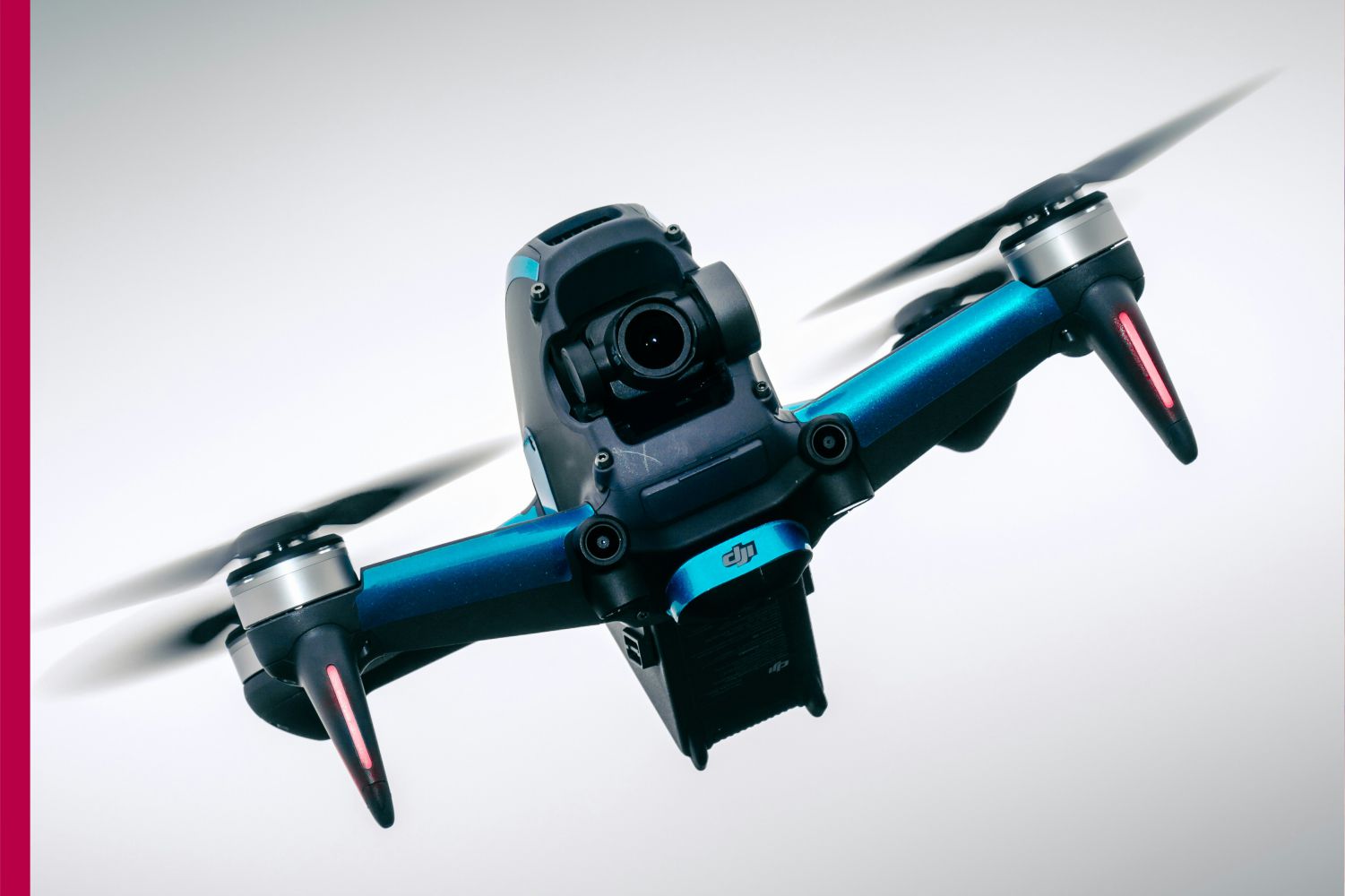

Unmanned Aerial Vehicles (UAVs), commonly known as drones, have rapidly transformed from military tools into valuable commercial technologies used across various industries. Equipped with cameras, sensors, GPS systems, and automation capabilities, drones are now used for photography, agriculture, logistics, surveillance, mapping, and infrastructure inspection. As their popularity and capabilities continue to grow, governments worldwide are introducing regulations to ensure safe and responsible drone operations.
One of the primary reasons for drone regulations is safety. Drones share airspace with aircraft and operate in populated environments, making proper control essential. Most countries require drones above a certain weight to be registered with aviation authorities. Operators may also need licenses or certifications, especially for commercial drone activities. Regulations often define maximum flight altitudes, restricted zones, and rules regarding flights near airports, military installations, or crowded public spaces.
Privacy concerns are another major factor influencing drone laws. Since drones can capture photos and videos from the air, unauthorized surveillance and misuse of personal data have become growing concerns. Many regulations prohibit recording people or private property without consent. These privacy protections help balance technological advancement with individual rights and public trust.
Commercial drone use has expanded significantly across industries. In agriculture, drones are helping farmers monitor crop health, assess irrigation needs, and spray fertilizers or pesticides more efficiently. Equipped with advanced imaging technology, agricultural drones can identify problem areas quickly, reducing costs and improving productivity. Precision farming supported by drones has become an important innovation in modern agriculture.
The construction and real estate industries also benefit greatly from drone technology. Drones are used for land surveys, progress monitoring, site inspections, and aerial photography. They can capture detailed images and generate 3D maps, helping companies save time and improve planning accuracy. Real estate agencies use drone footage to showcase properties and surrounding landscapes in visually appealing ways.
Delivery services represent another growing commercial application of drones. Major companies are exploring drone-based delivery systems for transporting packages, medicines, and emergency supplies. Drones can reach remote or congested areas faster than traditional vehicles, offering significant advantages in logistics and disaster relief operations. However, widespread drone delivery still requires further regulatory development and air traffic management solutions.
Media and entertainment industries have also embraced drone technology. Filmmakers, event organizers, and content creators use drones to capture cinematic aerial shots that were once expensive or difficult to achieve. Drones have revolutionized photography and videography by making high-quality aerial visuals more accessible and affordable.
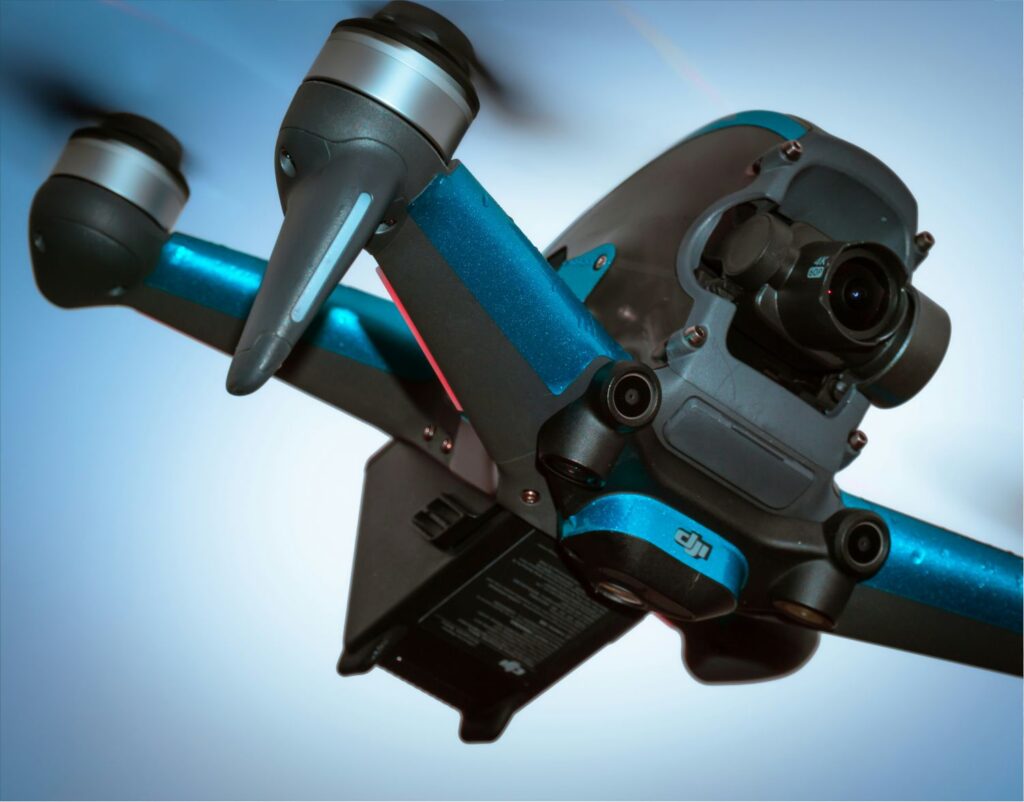
Media and entertainment industries have also embraced drone technology. Filmmakers, event organizers, and content creators use drones to capture cinematic aerial shots that were once expensive or difficult to achieve. Drones have revolutionized photography and videography by making high-quality aerial visuals more accessible and affordable.
Public safety agencies increasingly use drones for surveillance, rescue missions, firefighting, and disaster assessment. During emergencies, drones can quickly provide real-time information, helping authorities respond more effectively while reducing risks to human personnel.
Despite their advantages, drones also face challenges such as cybersecurity risks, airspace congestion, weather limitations, and battery constraints. Governments and technology companies continue working on advanced systems like geofencing, remote identification, and automated traffic control to improve drone safety and integration.
In conclusion, UAVs are reshaping industries through innovation, efficiency, and versatility. At the same time, effective regulations are essential to ensure safety, privacy, and responsible usage. As drone technology continues to evolve, UAVs will likely play an even greater role in transportation, business operations, and everyday life in the future.