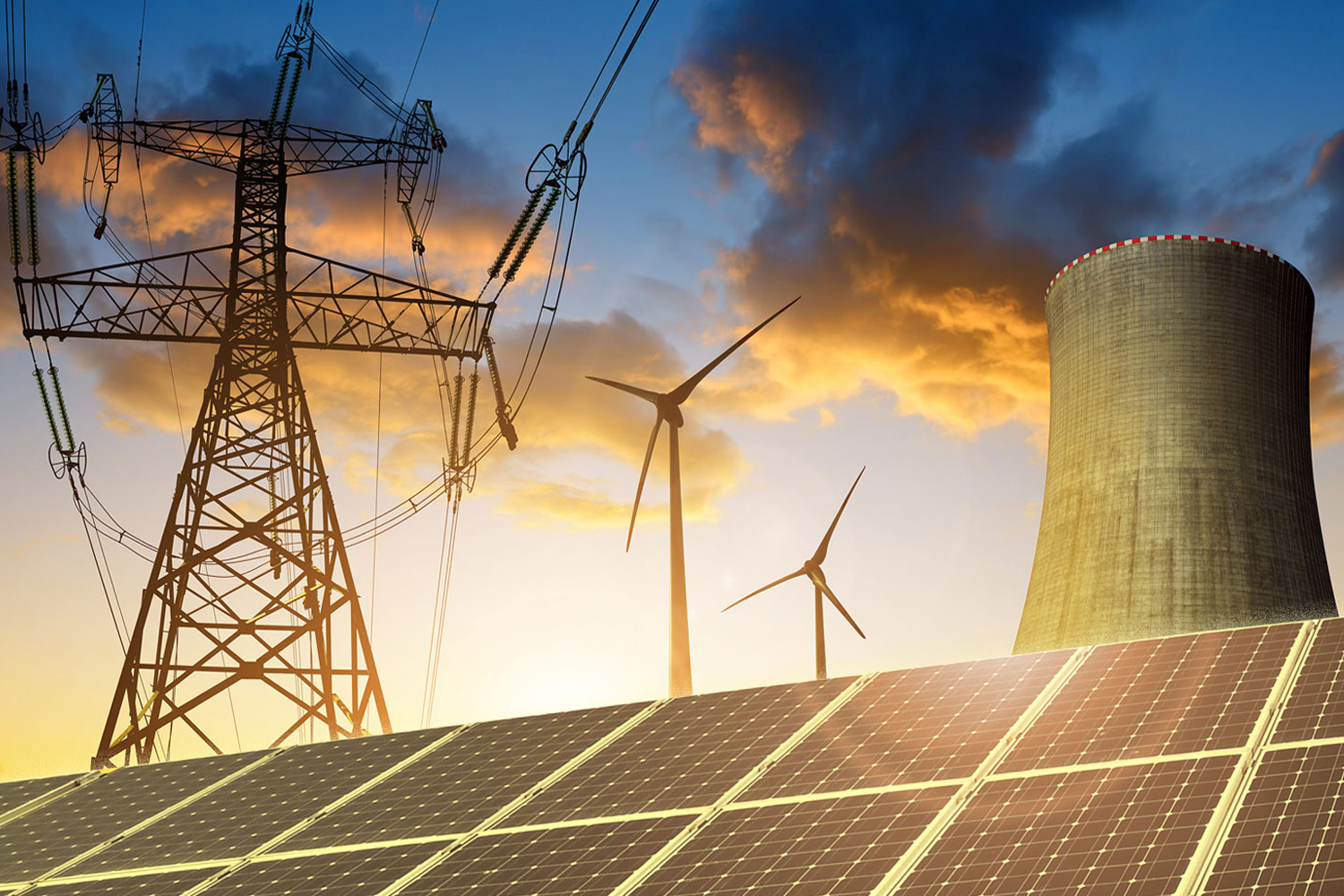



The global energy sector is undergoing a major transformation as countries, industries, and communities shift toward cleaner and more sustainable energy sources. Rising environmental concerns, climate change, and the growing demand for electricity are driving investments in renewable and low-carbon energy solutions. The future of clean energy is expected to reshape economies, industries, and everyday life by reducing dependence on fossil fuels and promoting a greener planet.
Clean energy refers to energy generated from renewable and environmentally friendly sources such as solar, wind, hydroelectric, geothermal, and green hydrogen. Unlike traditional fossil fuels, clean energy sources produce little or no greenhouse gas emissions, making them essential for combating climate change and reducing pollution.
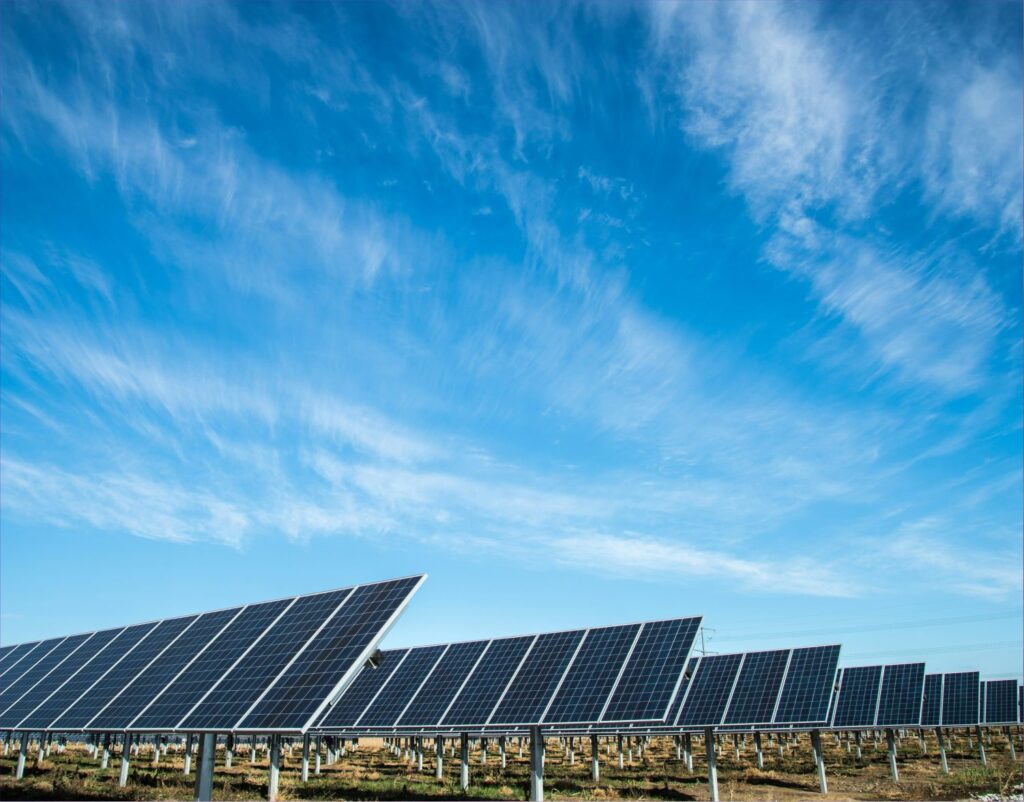
Solar energy is expected to play a major role in the future of clean power. Advances in solar panel efficiency and falling installation costs have made solar energy more accessible for homes, businesses, and industries. Countries around the world are rapidly expanding solar infrastructure to meet growing energy demands sustainably.
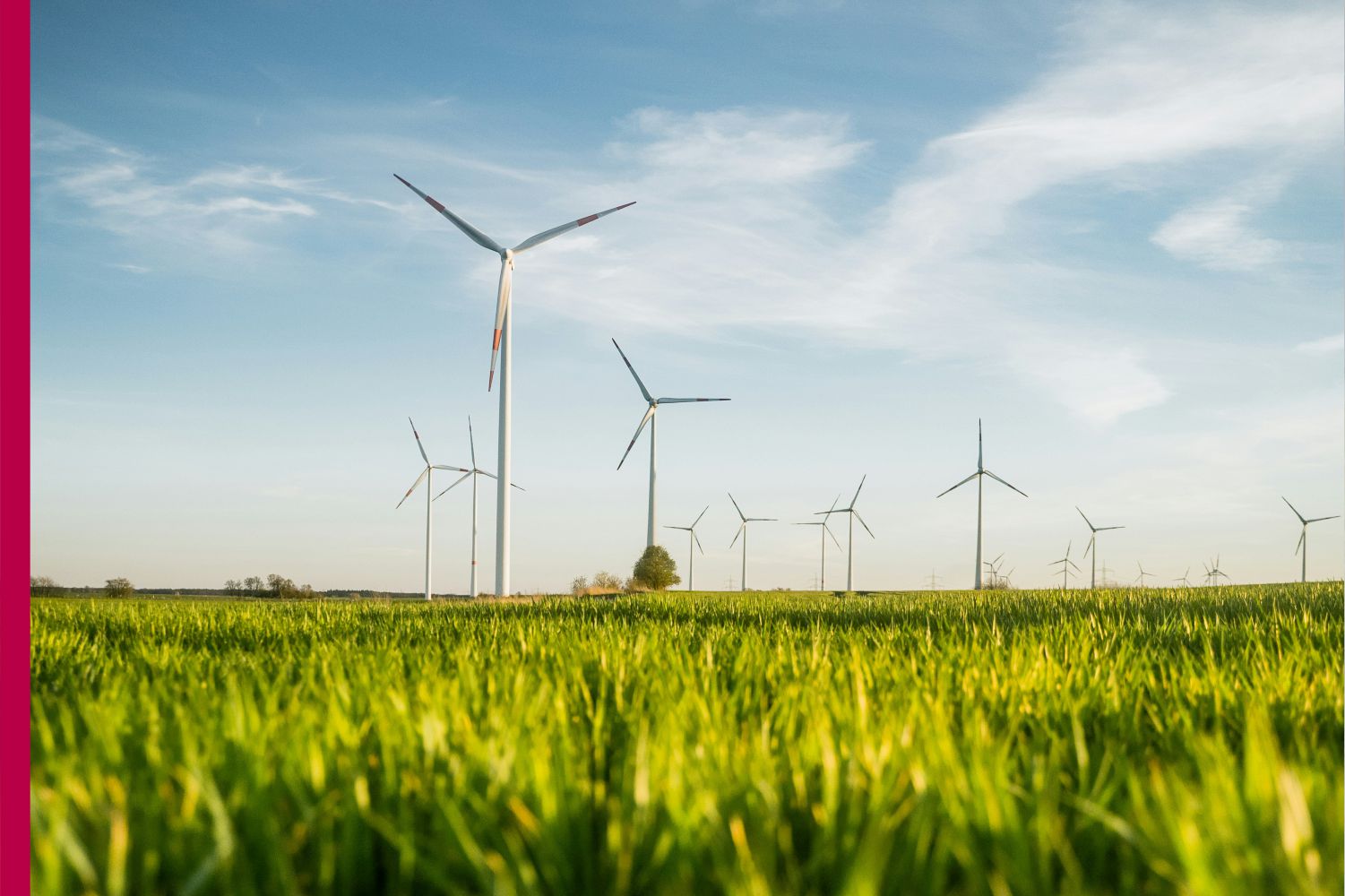
Wind energy is another key contributor to the clean energy transition. Offshore and onshore wind farms are generating increasing amounts of electricity in many regions. Technological improvements in turbine design and energy storage systems are helping make wind power more reliable and cost-effective.
In India, clean energy development has become a major national priority. Large-scale solar parks, wind projects, and renewable energy policies are supporting the country’s transition toward sustainable power generation. Government initiatives promoting electric mobility, green hydrogen, and renewable infrastructure are helping accelerate clean energy adoption across sectors.
Energy storage technology is expected to shape the future of renewable energy significantly. Since renewable sources like solar and wind depend on weather conditions, efficient storage systems are essential for maintaining a stable energy supply. Advanced battery technologies and grid-scale storage solutions are improving the reliability and efficiency of renewable energy systems.
Green hydrogen is emerging as one of the most promising clean energy solutions for the future. Produced using renewable electricity, green hydrogen can be used in transportation, manufacturing, and power generation without producing harmful emissions. Many countries and industries are investing heavily in hydrogen infrastructure and research.
The integration of the Internet of Things and smart grid systems is also transforming energy management. Smart grids use real-time data and automation to optimize electricity distribution, improve efficiency, and reduce energy waste. Consumers can monitor and manage their energy usage more effectively through connected devices and intelligent systems.
Electric vehicles (EVs) are another major part of the clean energy future. As EV adoption grows, the demand for renewable-powered charging infrastructure is increasing. The combination of clean electricity and electric mobility can significantly reduce carbon emissions from transportation.
Businesses are also embracing clean energy as part of their sustainability strategies. Companies are investing in renewable power, energy-efficient operations, and carbon reduction initiatives to meet environmental goals and improve brand reputation. Clean energy adoption is becoming a competitive advantage in global markets.
Despite its rapid growth, the clean energy sector still faces challenges. High initial investment costs, infrastructure limitations, and energy storage issues can slow adoption in some regions. Developing countries may also face financial and technological barriers in transitioning to renewable energy systems.
Workforce transformation is another important aspect of the clean energy transition. The shift toward renewable energy is creating new job opportunities in solar manufacturing, wind energy, battery production, and green technology development. Training and skill development programs will be essential to support this growing industry.
Innovation will continue to drive the future of clean energy. Artificial intelligence, advanced materials, carbon capture technologies, and next-generation renewable systems are expected to improve energy efficiency and sustainability further. Collaboration between governments, industries, and research institutions will be critical for accelerating progress.
In conclusion, the future of clean energy represents a major step toward environmental sustainability, economic growth, and energy security. Through renewable power, smart technologies, green hydrogen, and electric mobility, the world is moving toward a cleaner and more resilient energy system. As innovation and investment continue to expand, clean energy will play a defining role in shaping a sustainable future for generations to come.