








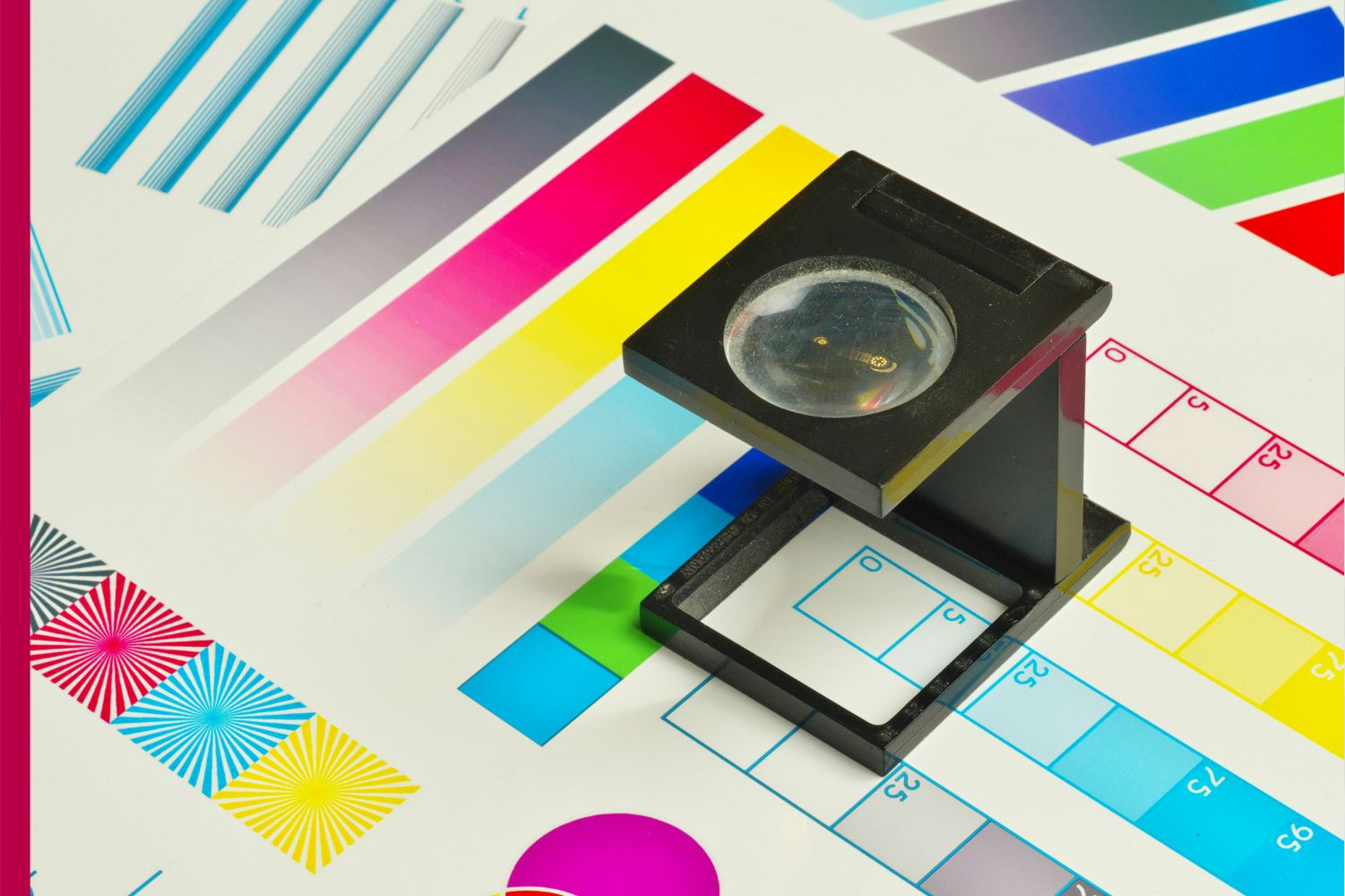
Colors play a powerful role in shaping human emotions, perceptions, and decision-making. In marketing, the strategic use of color can influence consumer behavior, strengthen brand identity, and enhance the effectiveness of advertising campaigns. The psychology of colors has become an essential aspect of modern branding and marketing strategies, helping businesses create emotional connections with their audiences.
At its core, color psychology studies how different colors affect human feelings and reactions. Marketers use this understanding to communicate messages, evoke emotions, and encourage specific actions. For example, red is often associated with energy, excitement, and urgency, making it a popular choice for clearance sales and fast-food branding. Blue, on the other hand, conveys trust, reliability, and professionalism, which is why it is widely used in banking and technology industries.
The concept of Color Psychology is especially important in branding. A brand’s color scheme becomes part of its identity and influences how consumers perceive the company. Consistent use of colors across logos, advertisements, packaging, and websites helps build recognition and trust. Well-chosen colors can make a brand memorable and distinguish it from competitors.
Different colors evoke different emotional responses. Yellow is often linked to optimism and happiness, making it effective for attracting attention and creating a cheerful impression. Green is commonly associated with nature, health, and sustainability, which is why eco-friendly and wellness brands frequently use it. Black symbolizes sophistication and luxury, making it popular among premium and fashion brands.
Cultural context also plays a crucial role in color perception. Colors can have different meanings in different regions and societies. In countries like India, bright and vibrant colors are often associated with celebration, positivity, and tradition. Marketers targeting diverse audiences must consider cultural interpretations to ensure their campaigns resonate effectively.
Color combinations are equally important in marketing campaigns. Contrasting colors can create visual impact and guide attention to important elements such as call-to-action buttons or promotional offers. Harmonious color schemes, meanwhile, create a balanced and pleasing visual experience that enhances brand appeal.
Digital marketing has further increased the importance of color psychology. Website design, social media graphics, and online advertisements rely heavily on color to attract users and improve engagement. Studies show that color can influence how quickly consumers form opinions about a product or brand. A visually appealing design with the right color choices can improve user experience and increase conversion rates.

Packaging design is another area where color psychology significantly impacts consumer decisions. Attractive packaging can influence purchasing behavior, especially in competitive retail environments. Consumers often associate certain colors with product quality, freshness, or functionality, making color selection a critical marketing decision.
Despite its effectiveness, color psychology is not an exact science. Individual experiences, personal preferences, and cultural backgrounds can influence how people respond to colors. Therefore, marketers often conduct research and testing to identify which color strategies work best for their target audience.
Technology and data analytics are helping businesses refine their use of colors in marketing. A/B testing and consumer behavior analysis allow marketers to measure the impact of different color schemes on engagement and sales performance. This data-driven approach helps optimize campaigns for better results.
In conclusion, the psychology of colors is a powerful tool in marketing campaigns, influencing emotions, perceptions, and purchasing decisions. By understanding how colors affect consumer behavior, businesses can create stronger brand identities and more effective marketing strategies. As competition in the digital marketplace continues to grow, the thoughtful use of color will remain an essential element in capturing attention and building lasting customer connections.