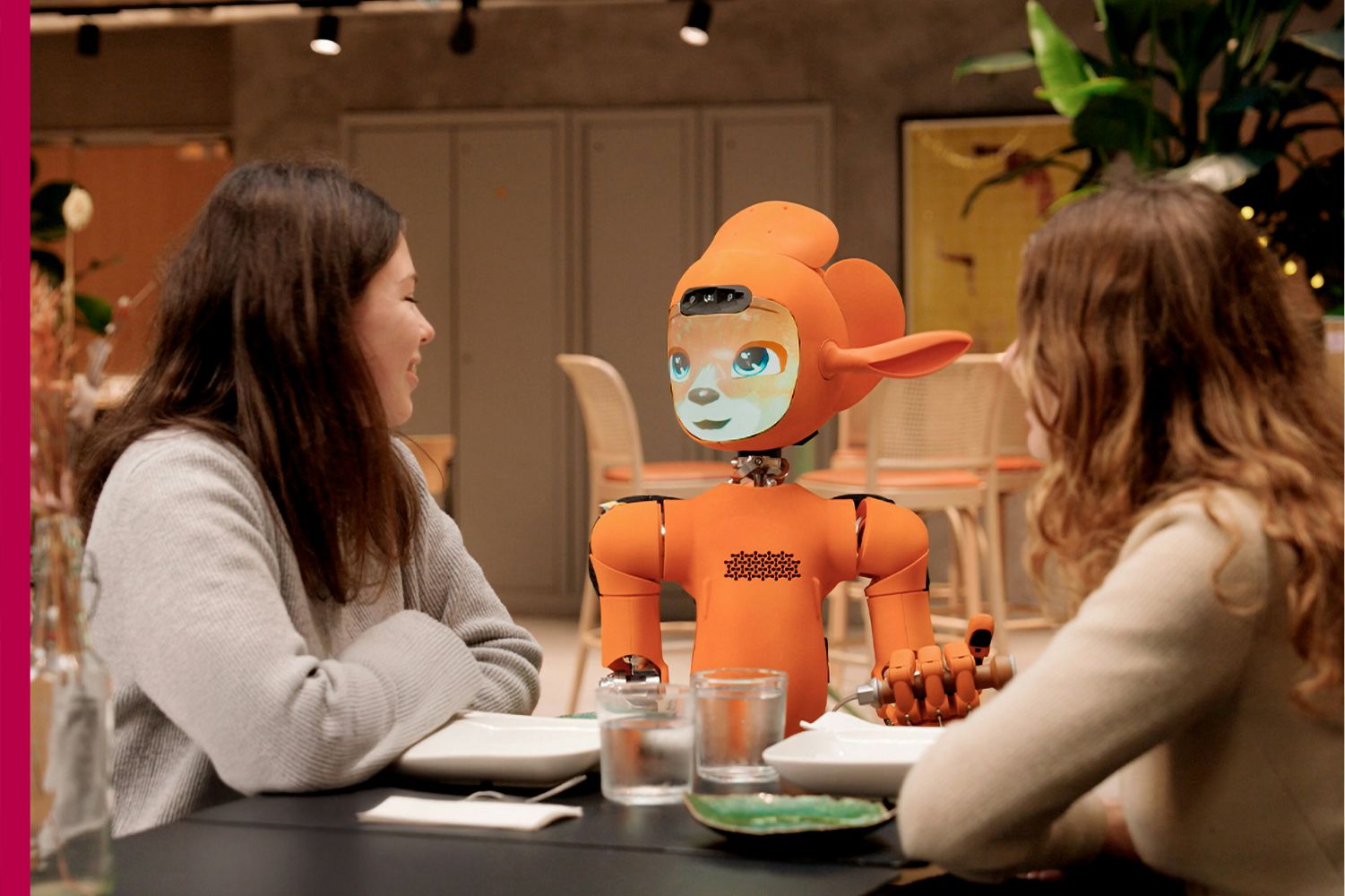

The apparel retail industry is undergoing a major transformation driven by changing consumer preferences, digital innovation, and evolving global market trends. Traditional clothing retail models are being reshaped by technology, sustainability demands, and personalized shopping experiences. As the fashion industry adapts to modern lifestyles and digital commerce, the future of apparel retail is expected to become more connected, efficient, and customer-focused.
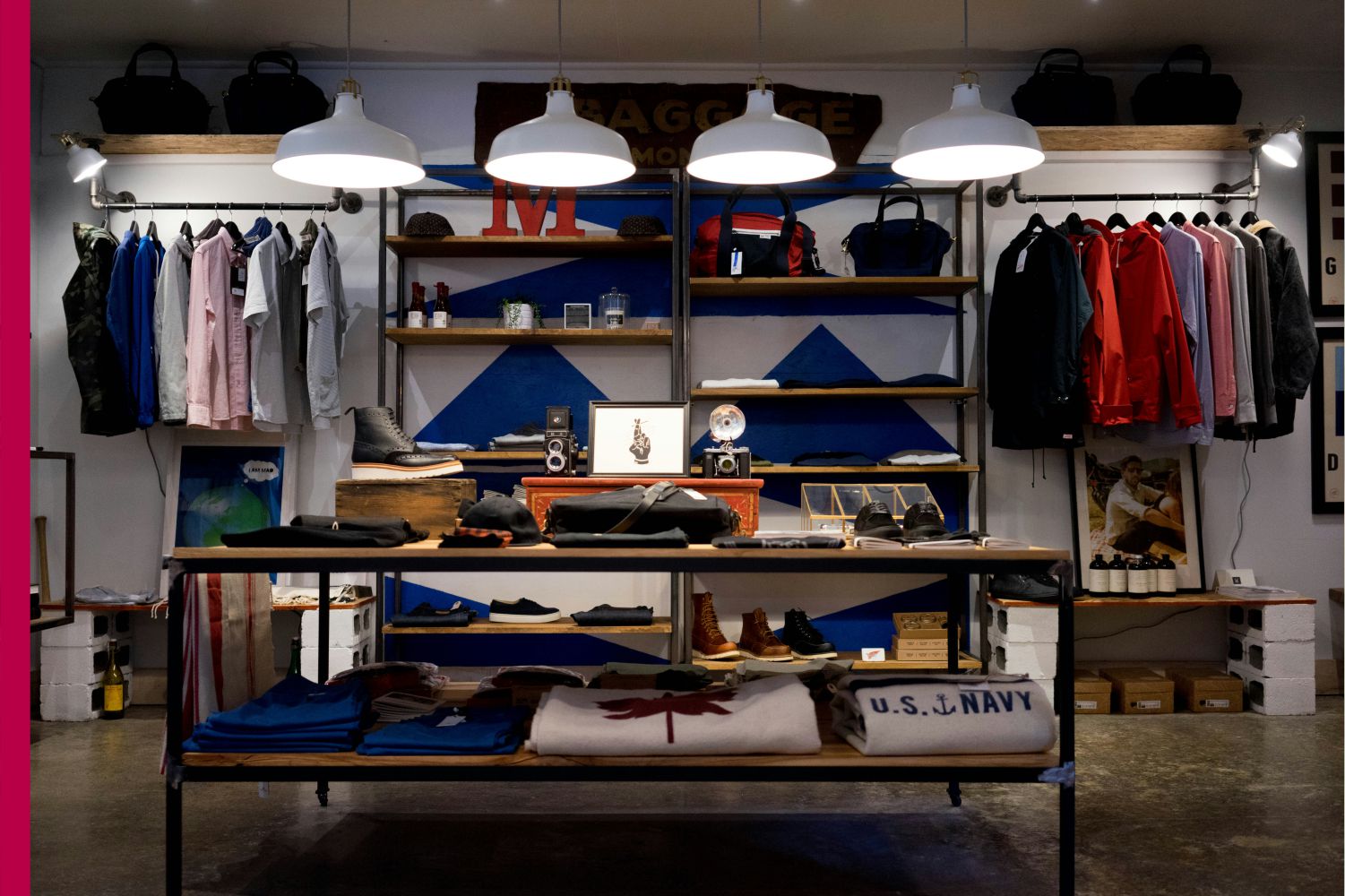
One of the biggest changes in apparel retail is the rapid growth of e-commerce and omnichannel shopping. Consumers today expect seamless shopping experiences across online platforms, mobile apps, and physical stores. Retailers are increasingly integrating digital and offline operations to provide convenience and flexibility. Customers can browse products online, check store availability, place orders through mobile applications, and choose home delivery or in-store pickup options. This interconnected approach improves customer engagement and shopping convenience.
Technology is playing a crucial role in shaping the future of apparel retail. Artificial intelligence and data analytics are helping retailers understand consumer preferences and predict fashion trends more accurately. AI-powered recommendation systems provide personalized product suggestions based on browsing history, purchase behavior, and style preferences. These technologies enhance customer experiences while helping businesses improve inventory management and sales performance.
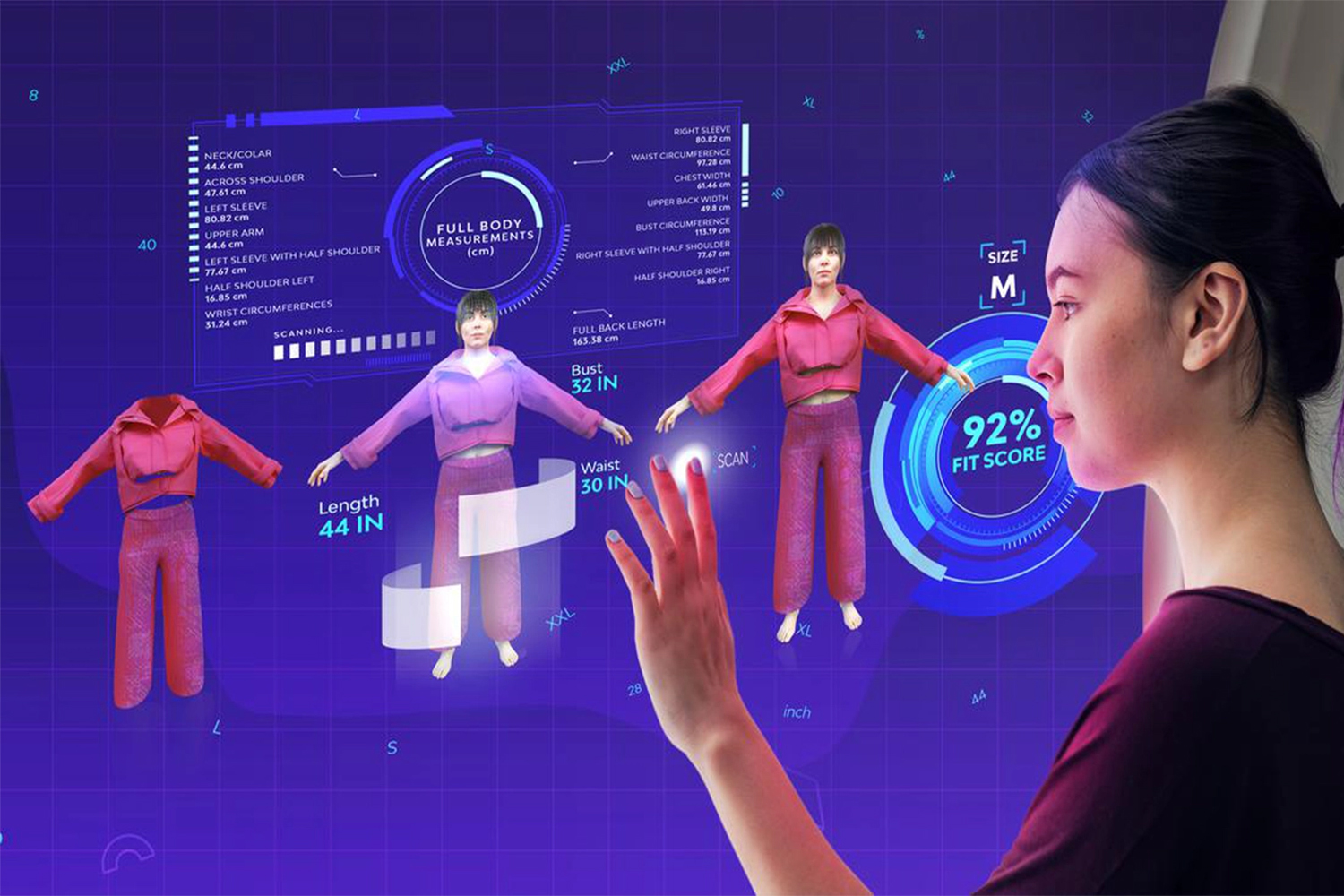
Virtual and augmented reality technologies are also transforming apparel shopping. Virtual fitting rooms and digital try-on solutions allow customers to visualize how clothing items will look before making purchases. This reduces uncertainty, improves customer confidence, and helps lower product return rates in online shopping. Interactive digital experiences are becoming increasingly important as retailers compete to attract tech-savvy consumers.
Sustainability is emerging as a major focus in the future of apparel retail. Consumers are becoming more aware of environmental issues related to fast fashion, waste generation, and unethical production practices. As a result, retailers are adopting sustainable business models that emphasize eco-friendly materials, ethical sourcing, recycling, and circular fashion initiatives. Brands that prioritize sustainability are likely to gain stronger consumer trust and long-term loyalty.
Customization and personalization are expected to become more prominent in apparel retail. Consumers increasingly seek unique clothing styles and tailored fashion experiences. Advances in digital manufacturing and on-demand production are enabling retailers to offer personalized apparel options with greater efficiency. Custom clothing services and made-to-order fashion models also help reduce overproduction and inventory waste.
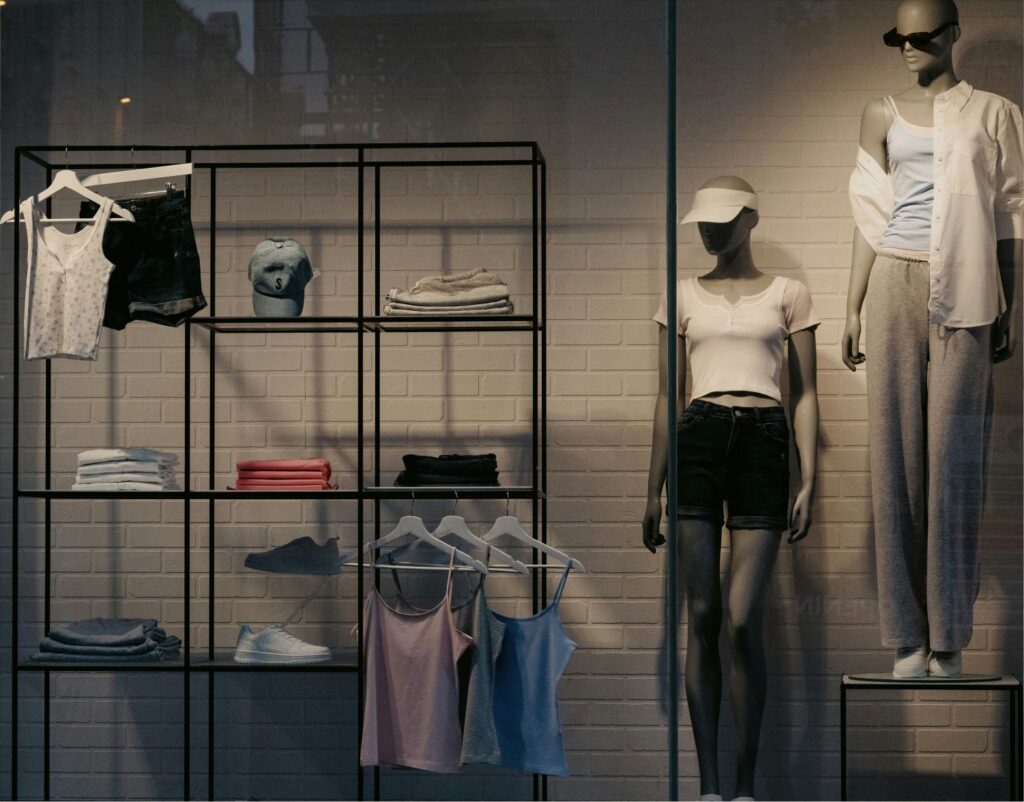
Social media and influencer marketing continue to shape apparel retail trends. Platforms such as short-video apps, live-stream shopping, and digital fashion campaigns strongly influence purchasing decisions. Retailers are leveraging social commerce strategies to engage directly with consumers and create interactive brand experiences. Influencers and content creators play an important role in building brand awareness and driving fashion trends.
Automation and smart supply chains are improving operational efficiency in the apparel industry. Automated warehouses, robotics, and real-time inventory tracking help retailers manage stock levels more effectively and speed up order fulfillment. Faster logistics and efficient supply chain management are essential in meeting growing customer expectations for quick deliveries.
Despite these advancements, apparel retailers also face challenges such as intense market competition, changing consumer behavior, and economic uncertainties. Maintaining profitability while balancing sustainability, affordability, and innovation remains a key concern for many brands.
In conclusion, the future of apparel retail will be shaped by technology, sustainability, personalization, and digital transformation. Retailers that adapt to changing consumer expectations and embrace innovative business models will be better positioned for long-term success. As fashion continues to evolve, apparel retail will become more interactive, efficient, and environmentally responsible in the years ahead.