


Last-mile delivery is one of the most critical stages in the logistics and supply chain process. It refers to the final step of delivering goods from a transportation hub or warehouse to the customer’s doorstep. With the rapid growth of e-commerce and rising consumer expectations for faster deliveries, last-mile logistics has become both a major opportunity and a significant challenge for businesses worldwide.
One of the biggest challenges in last-mile delivery is rising operational costs. Delivering individual packages directly to customers requires extensive transportation resources, labor, fuel, and route management. Urban congestion, fuel price fluctuations, and inefficient delivery routes can further increase expenses. In many cases, last-mile delivery accounts for a substantial portion of total shipping costs, making cost optimization a major priority for logistics companies.
Traffic congestion and urban infrastructure limitations also create delivery delays. In densely populated cities, delivery vehicles often face restricted access, parking difficulties, and heavy traffic conditions. These factors reduce delivery efficiency and increase turnaround time. Delays not only affect operational productivity but also impact customer satisfaction, especially when consumers expect same-day or next-day deliveries.
Customer expectations continue to evolve rapidly in the digital shopping era. Consumers now demand real-time tracking, flexible delivery schedules, accurate updates, and fast service. Failing to meet these expectations can damage brand reputation and reduce customer loyalty. Managing high delivery volumes while maintaining service quality remains a major challenge for logistics providers.
Failed deliveries are another common issue in last-mile logistics. Customers may not be available at the delivery location, resulting in repeated delivery attempts that increase costs and delays. Address inaccuracies and communication gaps can also contribute to unsuccessful deliveries, reducing efficiency and customer satisfaction.
Environmental concerns are becoming increasingly important in the logistics industry. The growth of delivery vehicles on roads contributes to traffic congestion, fuel consumption, and carbon emissions. Businesses are under pressure to adopt more sustainable delivery methods while still meeting consumer demand for speed and convenience.
To address these challenges, companies are investing heavily in technology-driven solutions. Route optimization software powered by artificial intelligence and real-time data analytics helps delivery providers identify the fastest and most efficient delivery paths. These systems reduce fuel consumption, save time, and improve delivery accuracy.
Automation and smart delivery technologies are also transforming last-mile logistics. Delivery drones, autonomous vehicles, and robotic delivery systems are being tested and implemented in certain markets to improve speed and reduce labor dependency. Smart lockers and pickup points provide alternative delivery options, minimizing failed deliveries and offering greater convenience for customers.
Micro-fulfillment centers are emerging as another effective solution. By placing smaller warehouses closer to urban areas, businesses can reduce delivery distances and improve order processing times. This decentralized logistics model supports faster and more efficient deliveries.
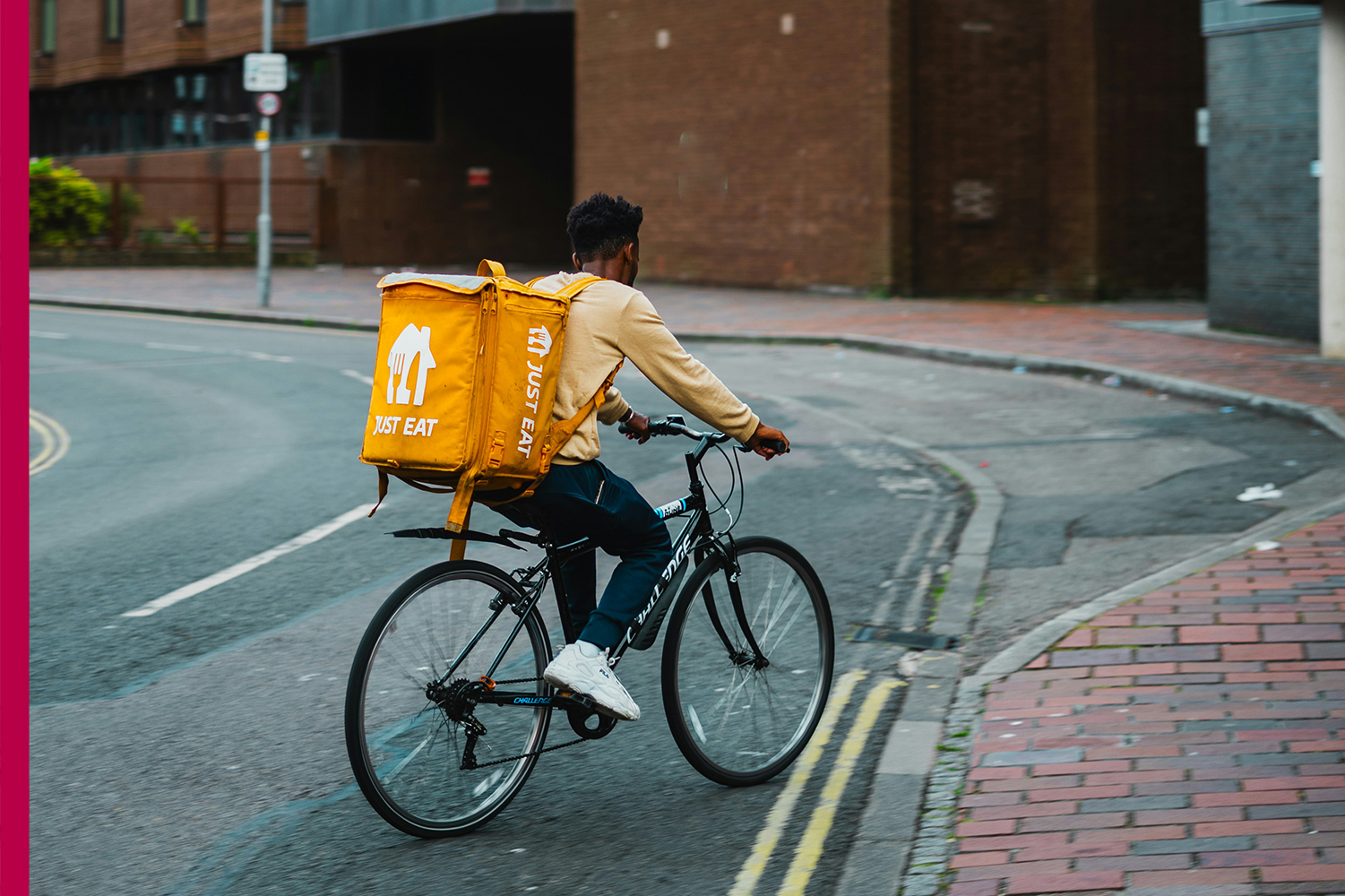
Sustainable delivery practices are gaining importance as well. Companies are increasingly using electric vehicles, bicycles, and eco-friendly packaging to reduce environmental impact. Green logistics initiatives not only support sustainability goals but also improve public perception and regulatory compliance.
In conclusion, last-mile delivery remains one of the most complex and important aspects of modern logistics. Challenges such as rising costs, traffic congestion, customer expectations, and environmental concerns require innovative and technology-driven solutions. By adopting automation, smart logistics systems, and sustainable practices, businesses can improve efficiency, enhance customer satisfaction, and strengthen their position in the rapidly evolving e-commerce landscape.