



Drone warfare has become one of the most significant developments in modern defense technology, changing the way military operations are conducted across the world. Unmanned aerial vehicles (UAVs), commonly known as drones, are now widely used for surveillance, intelligence gathering, reconnaissance, and combat missions. Their growing role in military strategy has reshaped warfare by introducing advanced capabilities, reducing risks for soldiers, and increasing operational efficiency.
One of the primary advantages of drone warfare is enhanced surveillance and intelligence collection. Modern drones are equipped with high-resolution cameras, thermal imaging systems, and advanced sensors that allow military forces to monitor large areas in real time. This capability helps defense agencies gather critical information, track enemy movements, and make informed strategic decisions without placing personnel directly in dangerous environments.
Drone technology has also changed combat operations by enabling precision strikes. Armed drones can target specific locations with high accuracy, reducing the need for large-scale military deployments. Precision targeting is intended to minimize collateral damage and improve mission effectiveness. Drones can remain airborne for long periods, allowing continuous monitoring and rapid response during military operations.
Another major impact of drone warfare is the reduction of risk to human soldiers. Traditional combat missions often expose military personnel to life-threatening situations. By using remotely operated or autonomous drones, defense forces can carry out reconnaissance and combat operations without directly endangering pilots or ground troops. This has made drones a preferred tool for operations in hostile or inaccessible regions.
The affordability and accessibility of drone technology have also transformed global defense dynamics. Compared to advanced fighter jets or large military systems, drones are relatively cost-effective to produce and operate. As a result, many countries are investing heavily in UAV development and deployment. Smaller nations and non-state actors are also gaining access to drone capabilities, changing the balance of military power and creating new security concerns.
Despite their advantages, drone warfare raises several ethical and legal challenges. One of the most debated issues is the use of autonomous systems in combat decisions. Concerns about accountability, civilian casualties, and the potential misuse of drone technology continue to generate international discussion. Critics argue that remote warfare may reduce the psychological barriers to military action, potentially increasing the frequency of conflicts.
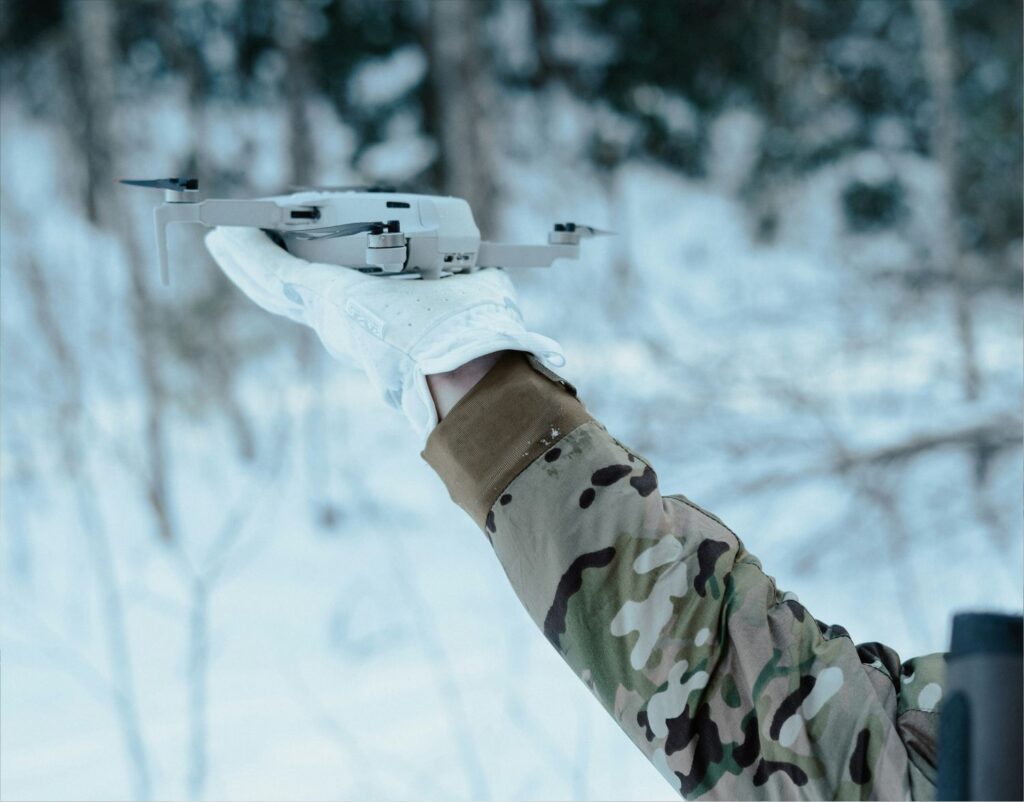
Cybersecurity threats are another major concern in drone warfare. Since drones rely heavily on communication systems, software, and satellite navigation, they can become targets for hacking, signal jamming, or electronic interference. Protecting military drone systems from cyberattacks is becoming a critical aspect of modern defense strategies.
Drone warfare is also influencing the development of counter-drone technologies. Governments and defense organizations are investing in radar systems, electronic warfare tools, and anti-drone defense mechanisms to detect and neutralize hostile UAVs. This ongoing technological competition is driving rapid innovation in the defense sector.
Beyond military applications, drone technologies developed for warfare are influencing civilian industries such as logistics, agriculture, disaster management, and infrastructure monitoring. Innovations in navigation, imaging, and automation are creating broader technological advancements.
In conclusion, drone warfare has transformed modern military operations by improving surveillance, precision, and operational safety. While drones offer significant strategic advantages, they also raise important ethical, legal, and security concerns. As drone technology continues to evolve, governments and international organizations will need to balance innovation with responsible regulation to ensure global security and stability.