




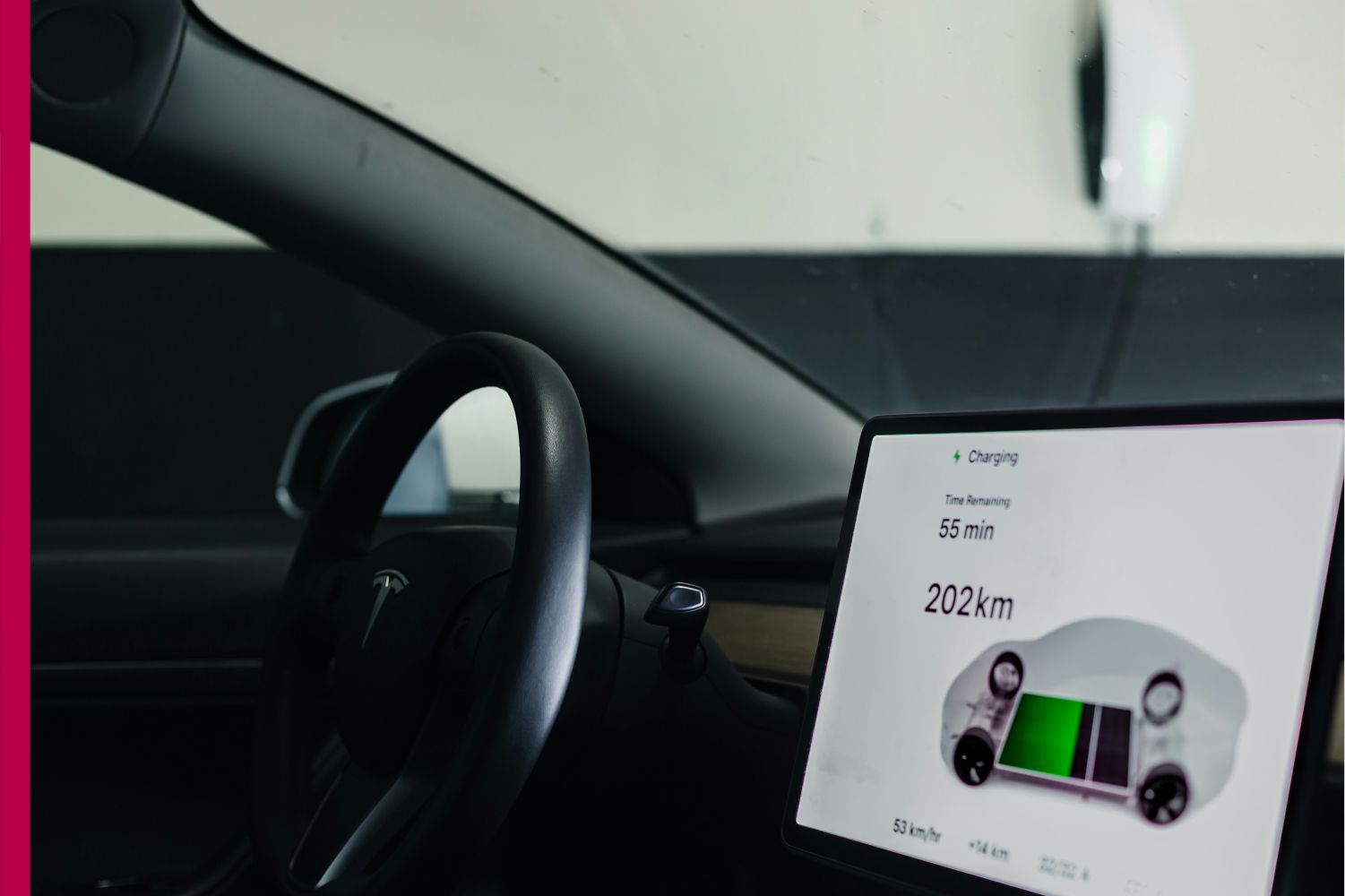
Electric vehicles (EVs) are rapidly becoming a central part of the global transportation industry as countries seek cleaner and more sustainable mobility solutions. Governments worldwide are introducing supportive policies and incentives to encourage EV adoption, reduce dependence on fossil fuels, and lower greenhouse gas emissions. These policies are playing a crucial role in shaping the future of transportation and accelerating the transition to a greener economy.
One of the most common government strategies supporting EV adoption is financial incentives for consumers. Many governments offer subsidies, tax credits, rebates, or reduced registration fees for purchasing electric vehicles. These incentives help reduce the upfront cost of EVs, making them more affordable and attractive to buyers. Since electric vehicles often have higher initial prices than conventional fuel-powered vehicles, financial support is essential to encourage wider adoption.
Infrastructure development is another major focus of government policies. The availability of charging stations is critical for the success of electric mobility. Governments are investing in public charging networks, fast-charging corridors, and urban charging facilities to improve accessibility and convenience for EV users. Public-private partnerships are also being encouraged to accelerate the deployment of charging infrastructure in both urban and rural areas.
Many governments are implementing stricter emission regulations and fuel efficiency standards to reduce pollution from traditional internal combustion engine vehicles. These regulations push automobile manufacturers to invest more heavily in electric vehicle production and innovation. Some countries have even announced future bans on the sale of new gasoline and diesel vehicles, signaling a long-term commitment to clean transportation.
Support for domestic manufacturing and battery production is another important policy trend. Governments are offering incentives to companies involved in EV manufacturing, battery technology, and related supply chains. This not only strengthens local industries but also creates employment opportunities and reduces dependency on imports. Investments in battery research and recycling technologies are also helping improve the sustainability and affordability of electric vehicles.
Public transportation electrification is gaining momentum as part of broader EV adoption strategies. Governments are increasingly introducing electric buses, taxis, and government fleets to reduce urban air pollution and fuel consumption. Electrified public transport systems demonstrate the practical benefits of EV technology while encouraging public acceptance.

Research and development support is another key area where governments are contributing to EV growth. Funding for innovation in battery efficiency, charging speed, energy storage, and smart mobility solutions helps accelerate technological advancements. Improved battery performance and reduced charging times are essential for increasing consumer confidence in electric vehicles.
Awareness campaigns and educational initiatives also play a role in encouraging EV adoption. Governments are promoting the environmental and economic benefits of electric mobility through public outreach programs. Increased awareness helps consumers understand long-term savings on fuel and maintenance while highlighting the positive environmental impact of EV usage.
Despite strong policy support, challenges remain. High battery costs, limited charging infrastructure in some regions, and concerns about driving range still affect adoption rates. Additionally, the transition to EVs requires upgrades to electricity grids and sustainable energy generation to fully maximize environmental benefits.
In conclusion, government policies are essential in driving the global adoption of electric vehicles. Through financial incentives, infrastructure investment, manufacturing support, and environmental regulations, governments are creating an ecosystem that encourages sustainable mobility. As technology advances and policy frameworks continue to evolve, electric vehicles are expected to become a dominant force in the future of transportation.