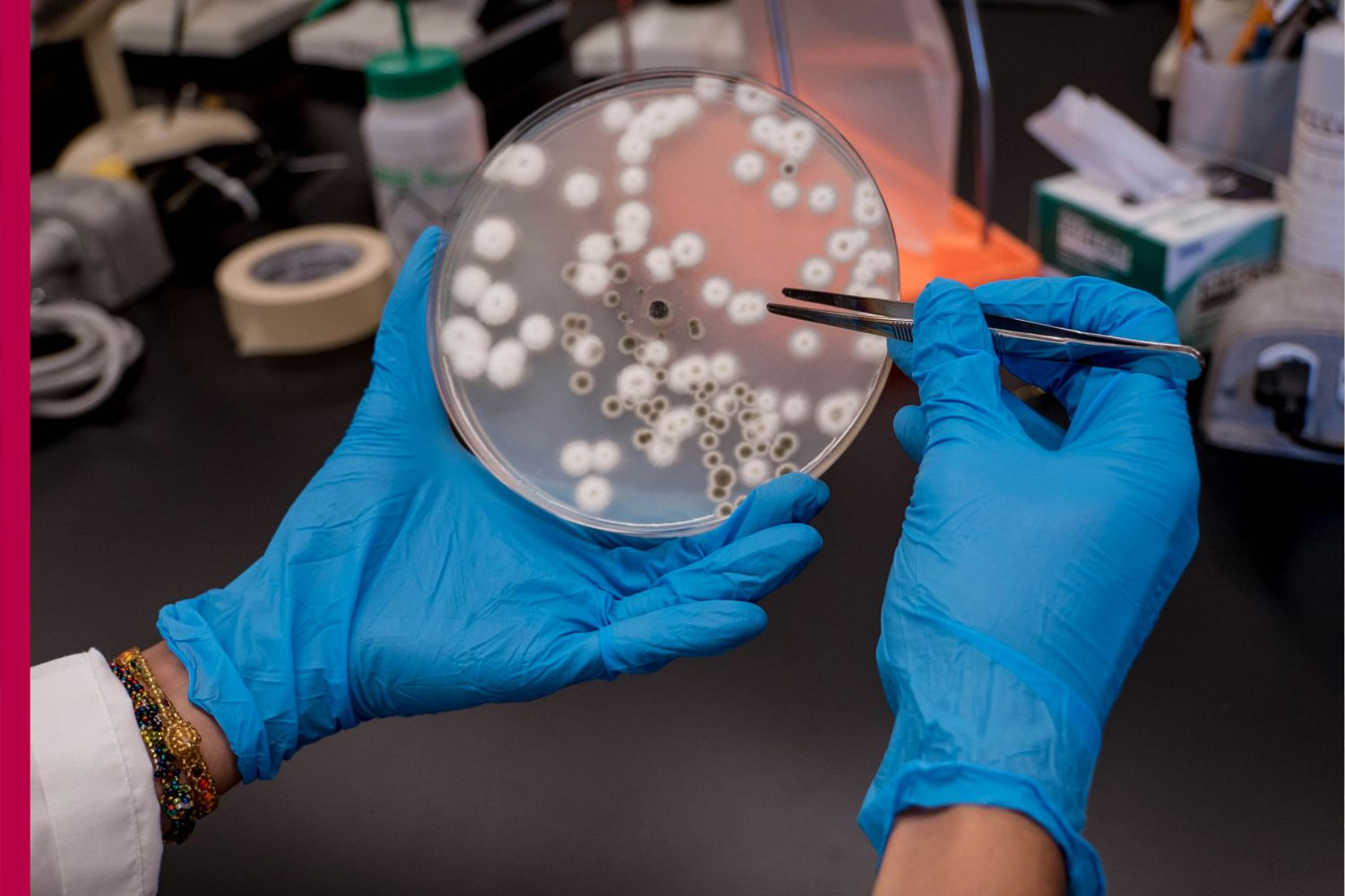



Biotechnology has revolutionized fields such as healthcare, agriculture, and environmental science, offering solutions to some of the world’s most pressing challenges. From developing life-saving drugs to improving crop yields, its impact is undeniable. However, alongside these advancements come complex ethical issues that raise questions about safety, morality, and the long-term consequences of scientific intervention.
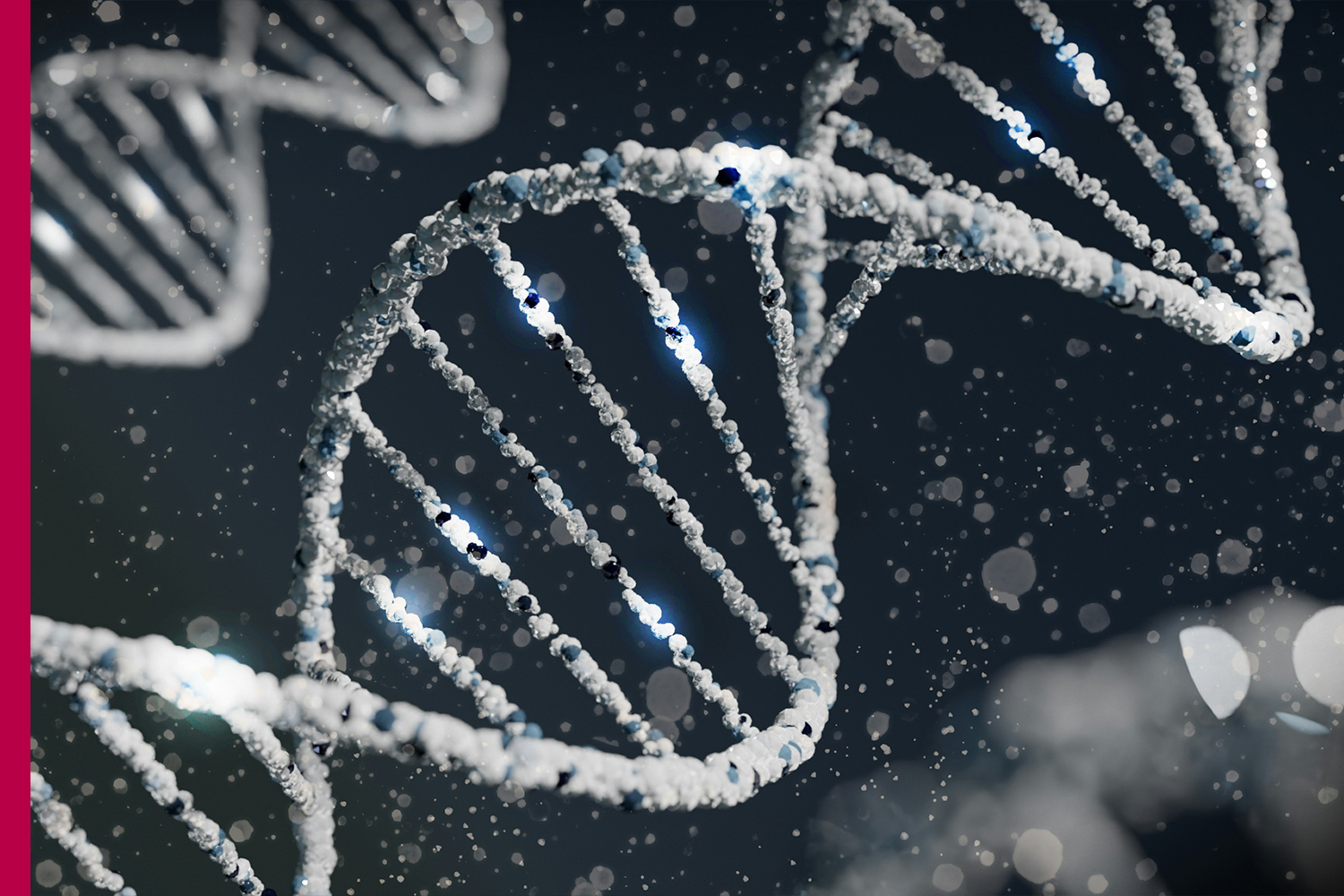
One of the most debated topics in biotechnology is genetic modification. Techniques such as Genetic Engineering allow scientists to alter the DNA of organisms to achieve desired traits. While this has led to innovations like disease-resistant crops and gene therapies, it also raises concerns about unintended consequences, ecological imbalance, and the potential misuse of technology. Critics argue that manipulating genetic material could have irreversible effects on biodiversity and natural ecosystems.
Another significant ethical issue is human gene editing. Technologies like CRISPR have made it possible to edit human genes with remarkable precision. This opens the door to treating genetic disorders and improving health outcomes. However, it also raises concerns about “designer babies,” where genetic traits such as intelligence or physical appearance could be altered for non-medical reasons. The ethical implications of altering human genetics challenge fundamental ideas about identity, equality, and human rights.
Biotechnology also raises questions about access and equity. Advanced treatments and innovations are often expensive, making them accessible only to a limited segment of the population. This can widen the gap between developed and developing regions. In countries like India, ensuring that biotechnological advancements reach all sections of society is a major challenge. Equitable distribution of benefits is essential to prevent disparities in healthcare and agricultural productivity.
The use of biotechnology in agriculture, particularly genetically modified organisms (GMOs), is another area of ethical debate. While GMOs can increase crop yields and reduce the need for pesticides, concerns remain about food safety, environmental impact, and corporate control over seeds. Farmers may become dependent on large biotech companies, raising issues of economic fairness and sustainability.
Animal welfare is also a key ethical concern. Biotechnology is often used in animal testing and genetic modification of animals for research and production purposes. While these practices contribute to scientific progress, they raise questions about the humane treatment of animals. Balancing scientific advancement with ethical treatment is an ongoing challenge.
Privacy and data security are emerging issues in biotechnology, especially with the rise of personalized medicine and genetic testing. Individuals’ genetic information is highly sensitive, and its misuse could lead to discrimination in areas such as employment and insurance. Ensuring robust data protection measures is essential to safeguard individual rights.
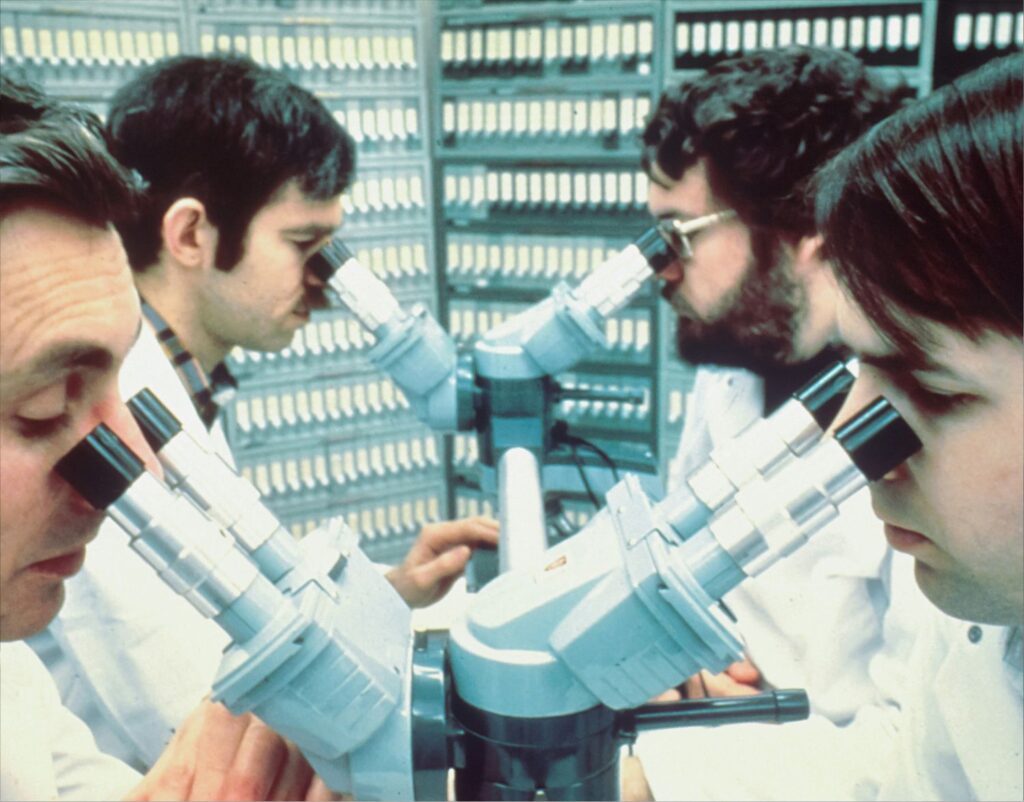
Regulation and governance play a crucial role in addressing ethical issues in biotechnology. Governments and international organizations are working to establish guidelines and standards that ensure responsible use of technology. Ethical review boards, regulatory frameworks, and public engagement are important mechanisms for maintaining accountability and transparency.
Public perception and awareness also influence the ethical landscape of biotechnology. Misinformation and lack of understanding can lead to resistance or fear of new technologies. Educating the public and encouraging informed discussions can help build trust and promote responsible adoption.
Despite the challenges, biotechnology holds immense potential for improving quality of life and addressing global issues such as disease, food security, and environmental sustainability. The key lies in ensuring that innovation is guided by ethical principles and societal values.
In conclusion, ethical issues in biotechnology highlight the need for a careful balance between scientific progress and moral responsibility. By addressing concerns related to safety, equity, and governance, society can harness the benefits of biotechnology while minimizing risks. As the field continues to evolve, ethical considerations will remain central to shaping its future.