

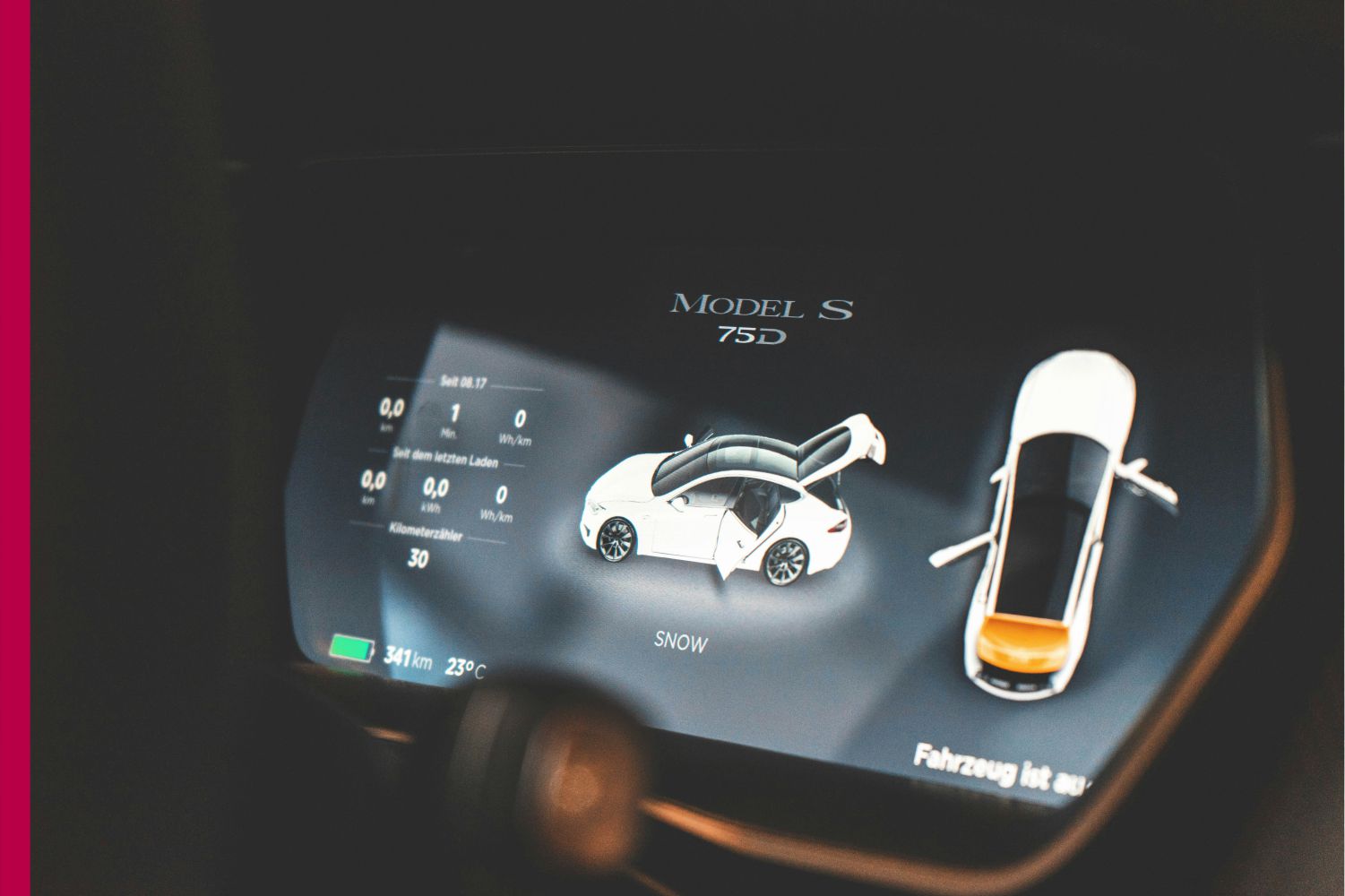


The automotive industry is undergoing a technological revolution, with connected cars emerging as a key innovation shaping the future of transportation. Connected vehicles use internet connectivity and advanced sensors to communicate with other vehicles, infrastructure, and digital systems. This integration is not only enhancing convenience but also significantly improving road safety, making driving smarter and more secure.
At the core of connected car technology is the ability to exchange real-time data. Vehicles equipped with connectivity features can share information about traffic conditions, road hazards, weather updates, and vehicle performance. This data-driven approach helps drivers make informed decisions and avoid potential risks on the road. The use of the Internet of Things enables seamless communication between vehicles and external systems, creating a connected ecosystem.
One of the most important benefits of connected cars is enhanced safety. Advanced Driver Assistance Systems (ADAS) are a major component of modern vehicles. These systems include features such as lane departure warning, adaptive cruise control, automatic emergency braking, and blind-spot detection. By assisting drivers in real time, ADAS reduces the likelihood of accidents and improves overall driving safety.
Vehicle-to-Vehicle (V2V) and Vehicle-to-Infrastructure (V2I) communication are key innovations in connected car technology. V2V communication allows vehicles to share information about speed, position, and direction, helping prevent collisions. V2I communication connects vehicles with traffic signals, road signs, and other infrastructure, enabling better traffic management and safer navigation.
In India, the adoption of connected car technology is gradually increasing as the automotive market evolves. With growing awareness of road safety and advancements in digital infrastructure, manufacturers are introducing vehicles equipped with smart safety features. Government initiatives promoting smart mobility and road safety are also supporting this transition.
Another important safety feature in connected cars is real-time diagnostics and predictive maintenance. Vehicles can monitor their own systems and alert drivers about potential issues before they become serious problems. This proactive approach reduces the risk of breakdowns and ensures that vehicles remain in optimal condition.
Emergency response systems are also becoming more advanced with connected technology. In the event of an accident, connected cars can automatically send alerts to emergency services, providing location details and other critical information. This can significantly reduce response time and improve the chances of saving lives.
Cybersecurity is a crucial aspect of connected car safety. As vehicles become more digitally connected, they are also exposed to potential cyber threats. Manufacturers are investing in robust security systems to protect vehicle data and ensure safe communication between devices. Ensuring data privacy and system integrity is essential for building trust in connected car technology.
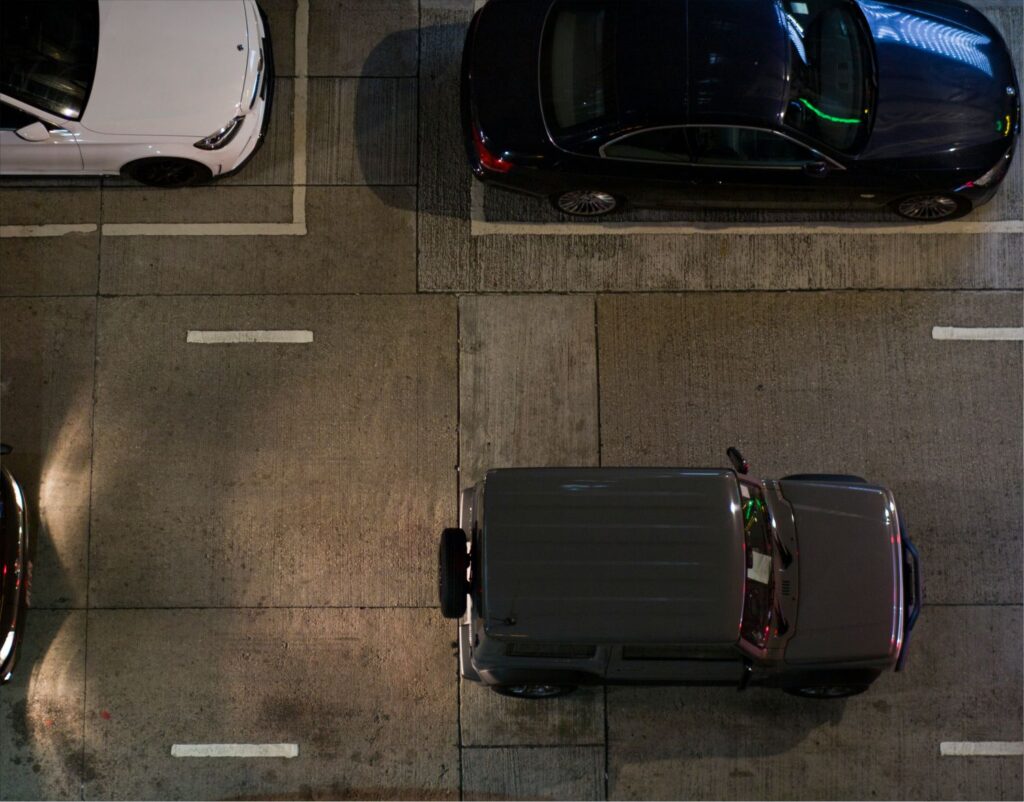
User experience is another area where connected cars are making a difference. Features such as voice commands, navigation systems, and smartphone integration enhance convenience while minimizing distractions. By allowing drivers to access information hands-free, these features contribute to safer driving practices.
Despite the benefits, challenges remain in the widespread adoption of connected cars. High costs, infrastructure limitations, and regulatory hurdles can slow down implementation. Additionally, ensuring interoperability between different systems and manufacturers is essential for creating a unified connected ecosystem.
Looking ahead, the future of connected cars is closely linked to the development of autonomous vehicles. As technology continues to evolve, connected systems will play a critical role in enabling self-driving capabilities and improving overall road safety. Integration with smart cities and advanced traffic management systems will further enhance mobility.
In conclusion, connected cars and their safety features are transforming the way we drive and travel. By leveraging real-time data, advanced sensors, and intelligent systems, these vehicles are making roads safer and more efficient. As adoption increases, connected car technology will play a vital role in shaping the future of transportation and ensuring a safer driving experience for all.