

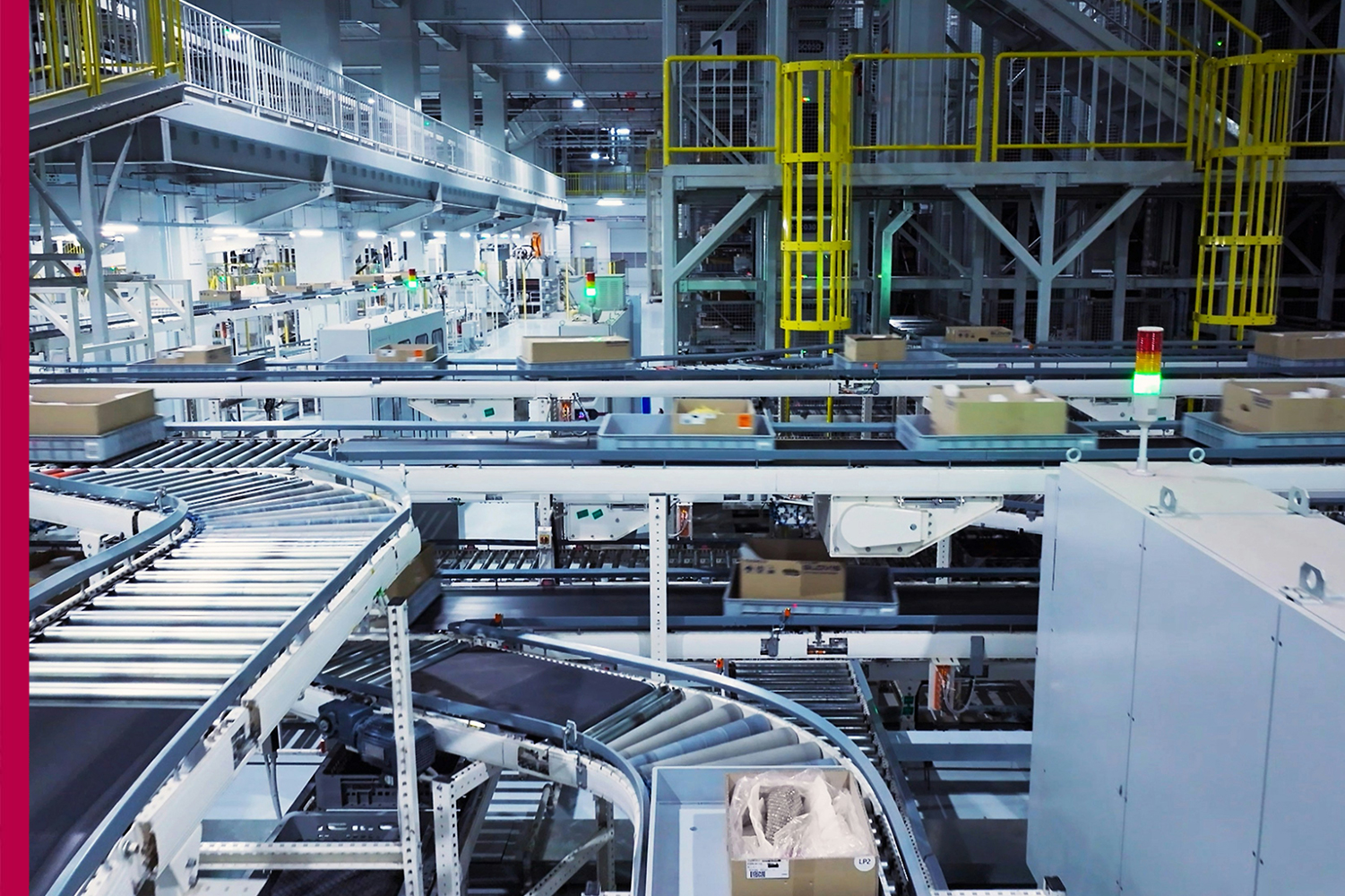



Automation is rapidly transforming industries across the globe, reshaping how businesses operate and how work is performed. From manufacturing and logistics to healthcare and retail, advanced technologies such as robotics, artificial intelligence, and machine learning are taking over repetitive and routine tasks. While automation brings significant efficiency and productivity gains, it also has a profound impact on the workforce, creating both opportunities and challenges.
One of the most noticeable effects of automation is the displacement of certain jobs. Tasks that are repetitive, predictable, and rule-based are increasingly being handled by machines. This is particularly evident in sectors like manufacturing, where assembly lines are becoming more automated. While this shift reduces the need for manual labor in some roles, it does not necessarily mean a complete loss of employment. Instead, it signals a transformation in the types of jobs available.
At the same time, automation is creating new job opportunities that require advanced skills. Roles in data analysis, robotics maintenance, software development, and system management are in high demand. Workers are now expected to possess a combination of technical knowledge and problem-solving abilities. This shift highlights the importance of reskilling and upskilling to remain relevant in a rapidly evolving job market.
The integration of technologies like Artificial Intelligence is enabling businesses to improve efficiency and decision-making. AI-powered systems can analyze large volumes of data, identify patterns, and provide insights that were previously difficult to obtain. This not only enhances productivity but also allows employees to focus on more strategic and creative tasks.
In India, the impact of automation is particularly significant due to the country’s large workforce and growing industrial base. While automation is driving efficiency and competitiveness, it also raises concerns about job displacement, especially in labor-intensive sectors. However, government initiatives and skill development programs are helping workers adapt to new technologies and transition into emerging roles.
Another important aspect of automation is the improvement in workplace safety. Machines can perform hazardous tasks, reducing the risk of accidents and injuries. In industries such as mining and construction, automation is helping protect workers by minimizing their exposure to dangerous environments.
Productivity gains are one of the biggest advantages of automation. Businesses can produce more in less time, reduce operational costs, and maintain consistent quality. This increased efficiency can lead to economic growth and the creation of new industries. However, it also requires careful management to ensure that the benefits are distributed fairly across the workforce.

Despite its advantages, automation presents several challenges. The transition to automated systems can be costly, and not all businesses have the resources to invest in advanced technologies. Additionally, there is a risk of widening the skill gap, as workers without access to training may struggle to adapt to new roles. Addressing these challenges requires collaboration between governments, educational institutions, and industries.
The role of education and training is becoming more critical than ever. Continuous learning and skill development are essential for workers to stay competitive. Programs focused on digital literacy, technical skills, and critical thinking can help individuals navigate the changing job landscape.
Looking ahead, the future of work will likely involve a balance between human skills and machine capabilities. Automation will continue to evolve, but human qualities such as creativity, empathy, and adaptability will remain irreplaceable. Organizations that successfully integrate technology with human talent will have a competitive advantage.
In conclusion, the workforce impact of automation is complex and multifaceted. While it disrupts traditional job roles, it also creates new opportunities for growth and innovation. By embracing change, investing in skills, and fostering collaboration, societies can harness the benefits of automation while ensuring an inclusive and sustainable future of work.