



Urbanization is accelerating at an unprecedented pace, placing immense pressure on cities to accommodate growing populations while maintaining efficiency, sustainability, and quality of life. Smart infrastructure has emerged as a transformative solution, integrating digital technology, data analytics, and connected systems to optimize urban development. As cities evolve into intelligent ecosystems, smart infrastructure is playing a crucial role in shaping modern urban growth.
At the core of smart infrastructure is the use of interconnected technologies such as sensors, Internet of Things (IoT) devices, and data platforms. These systems collect and analyze real-time data to improve the management of essential services like transportation, energy, water supply, and waste management. By leveraging data-driven insights, city authorities can make informed decisions, enhance service delivery, and reduce operational inefficiencies.
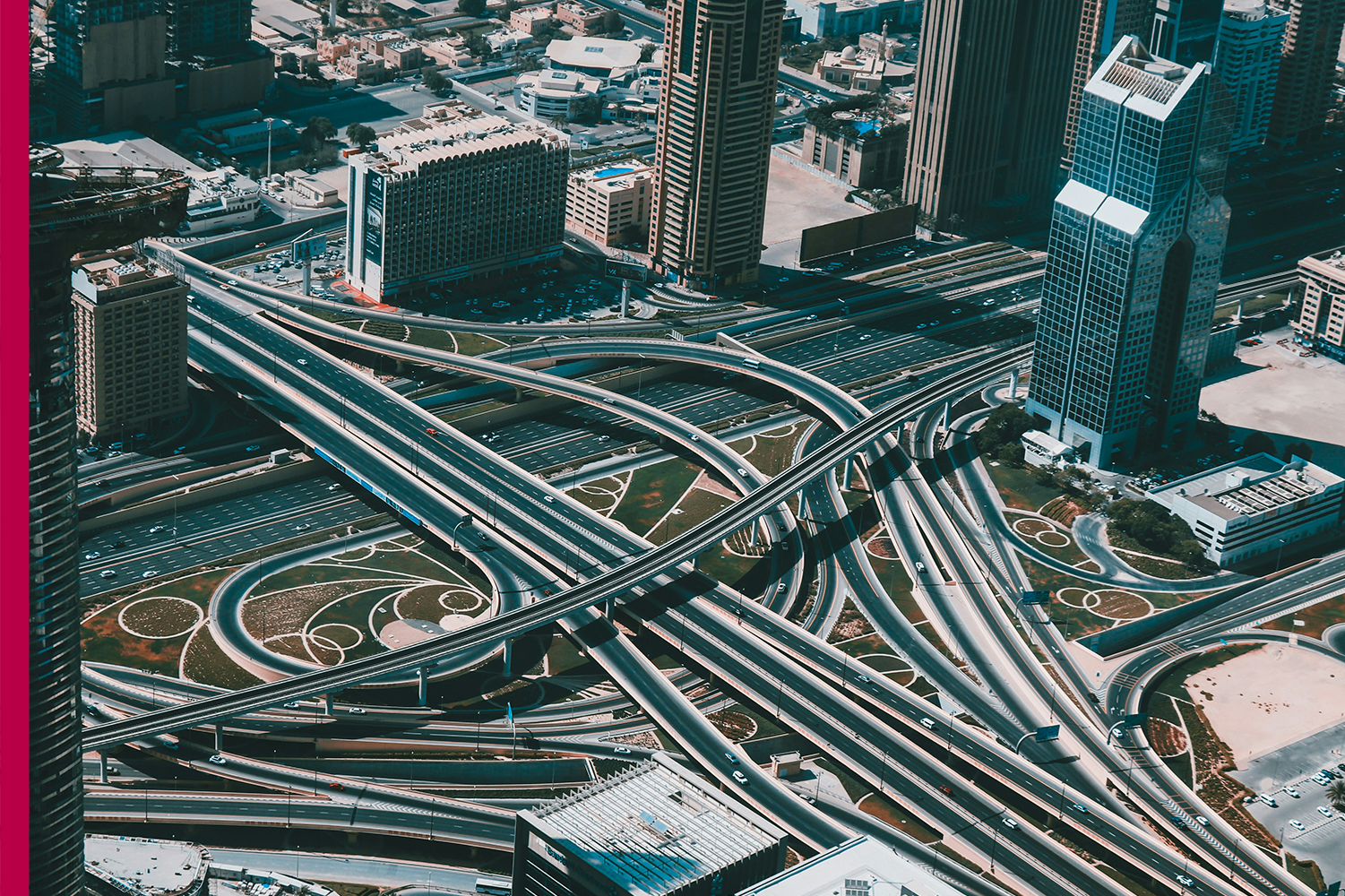
Transportation is one of the most visible areas where smart infrastructure is driving urban transformation. Intelligent traffic management systems use real-time data to reduce congestion, optimize traffic flow, and improve road safety. Smart public transport networks, integrated with digital payment systems and real-time tracking, provide commuters with more reliable and convenient travel options. These advancements not only save time but also reduce fuel consumption and emissions, contributing to cleaner urban environments.
Energy management is another key component of smart infrastructure. Smart grids enable efficient distribution and monitoring of electricity, reducing energy losses and supporting the integration of renewable energy sources. Buildings equipped with smart systems can optimize energy usage through automated lighting, heating, and cooling, leading to significant cost savings and environmental benefits. As cities aim to reduce their carbon footprint, smart energy solutions are becoming essential.
Water and waste management systems are also being transformed through smart technologies. Sensors and monitoring systems help detect leaks, manage water distribution, and ensure efficient usage of resources. In waste management, smart bins and route optimization systems improve collection efficiency and reduce operational costs. These innovations enhance sustainability and contribute to cleaner, healthier urban spaces.
Smart infrastructure also supports economic growth by attracting investment and fostering innovation. Technology-driven cities create opportunities for startups, businesses, and skilled professionals, leading to job creation and increased economic activity. Digital connectivity and advanced infrastructure make cities more competitive on a global scale, encouraging industries to establish and expand their presence.
However, the implementation of smart infrastructure is not without challenges. High initial investment costs, data privacy concerns, and the need for skilled workforce can pose barriers to adoption. Additionally, ensuring that smart solutions are inclusive and accessible to all segments of the population is essential to prevent widening social inequalities.
Collaboration between governments, private sector organizations, and communities is critical for the successful development of smart infrastructure. Public-private partnerships, supportive policies, and continuous innovation can accelerate the transition toward smarter cities.
In conclusion, smart infrastructure is a key driver of sustainable urban growth, enabling cities to become more efficient, resilient, and livable. By integrating technology with urban planning, cities can address the challenges of rapid urbanization while creating a future that balances economic development with environmental responsibility and improved quality of life.