


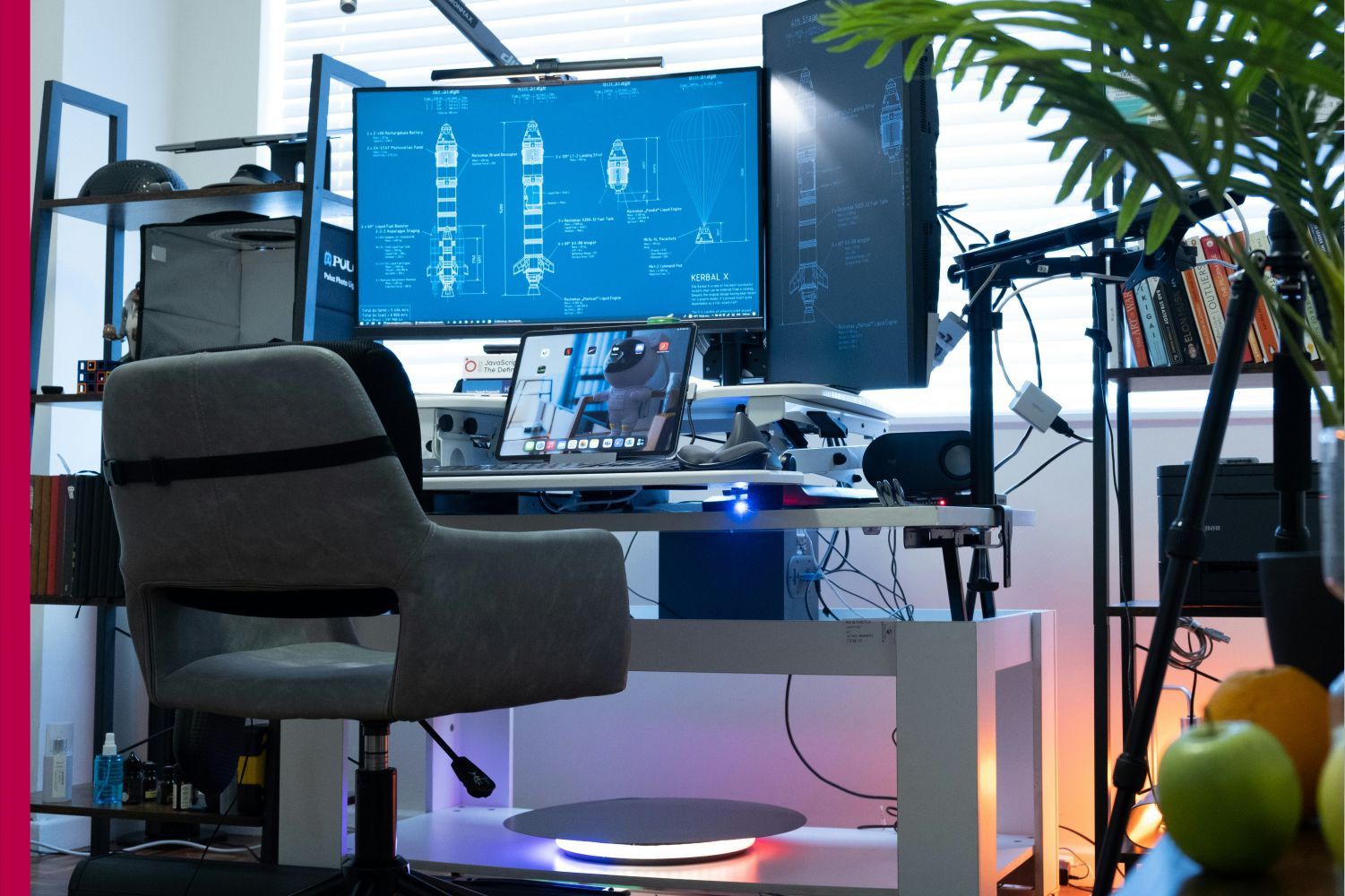
The future of work is undergoing a fundamental transformation as remote workspaces and hybrid office models become the new standard. What began as a necessity during global disruptions has now evolved into a long-term strategy for organizations worldwide. Businesses are rethinking traditional office structures and embracing flexible work environments that balance productivity, employee well-being, and operational efficiency.
Remote workspaces have gained widespread acceptance due to their ability to offer flexibility and convenience. Employees can work from home or any location, reducing commute time and allowing for a better work-life balance. This shift has also enabled companies to access a global talent pool, breaking geographical barriers and expanding hiring opportunities. As a result, organizations are becoming more diverse and inclusive, benefiting from a wide range of skills and perspectives.
The hybrid office model, which combines remote work with in-office presence, is emerging as the preferred approach for many companies. Employees have the flexibility to choose when and where they work, while still maintaining opportunities for in-person collaboration. This balance helps preserve team cohesion, creativity, and organizational culture, which can sometimes be challenging in fully remote setups.
Technology plays a crucial role in supporting remote and hybrid work environments. Digital collaboration tools such as Microsoft Teams, Zoom, and Slack enable seamless communication and coordination among teams. Cloud computing, project management tools, and virtual workspaces ensure that employees can access resources and collaborate efficiently, regardless of their location.
Another important aspect of the future workplace is the redesign of physical office spaces. Traditional offices with fixed desks are being replaced by flexible layouts that support collaboration and innovation. Hot-desking, shared workspaces, and meeting hubs are becoming common, allowing employees to use office space more efficiently. Offices are increasingly seen as collaboration centers rather than mandatory daily workplaces.
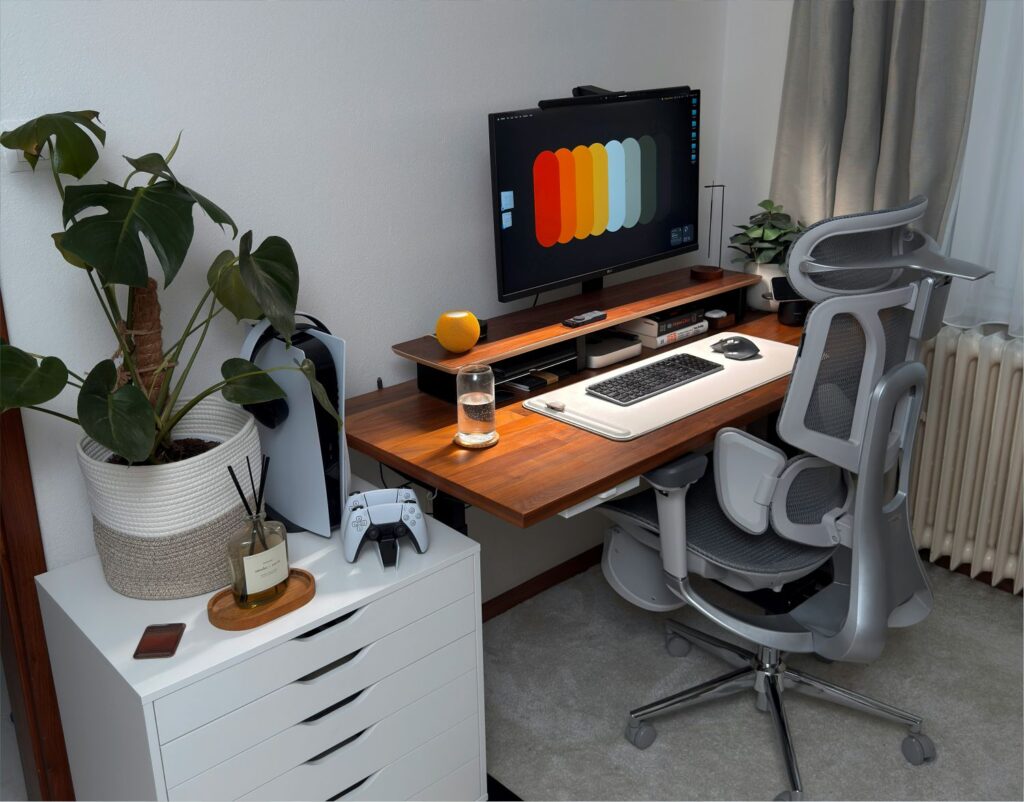
Employee well-being is also a key focus in remote and hybrid work models. Organizations are recognizing the importance of mental health, work-life balance, and job satisfaction. Flexible schedules, wellness programs, and supportive work cultures are being implemented to ensure that employees remain motivated and engaged. This shift reflects a broader understanding that productivity is closely linked to employee happiness and well-being.
In countries like India, the adoption of remote and hybrid work models is growing rapidly, driven by digital infrastructure and changing workforce expectations. Companies are investing in technology and training to support this transition, while employees are adapting to new ways of working.
Despite its advantages, the future of remote and hybrid workspaces also presents challenges. Maintaining effective communication, ensuring data security, and managing team dynamics in a distributed environment require careful planning. Organizations must develop clear policies and strategies to address these issues and create a cohesive work environment.
In conclusion, the future of remote workspaces and hybrid offices is reshaping how businesses operate and how employees engage with their work. By combining flexibility with collaboration, these models offer a balanced approach that meets the needs of modern organizations. As technology continues to evolve, remote and hybrid work will remain central to the future of work, driving innovation, efficiency, and employee satisfaction.