




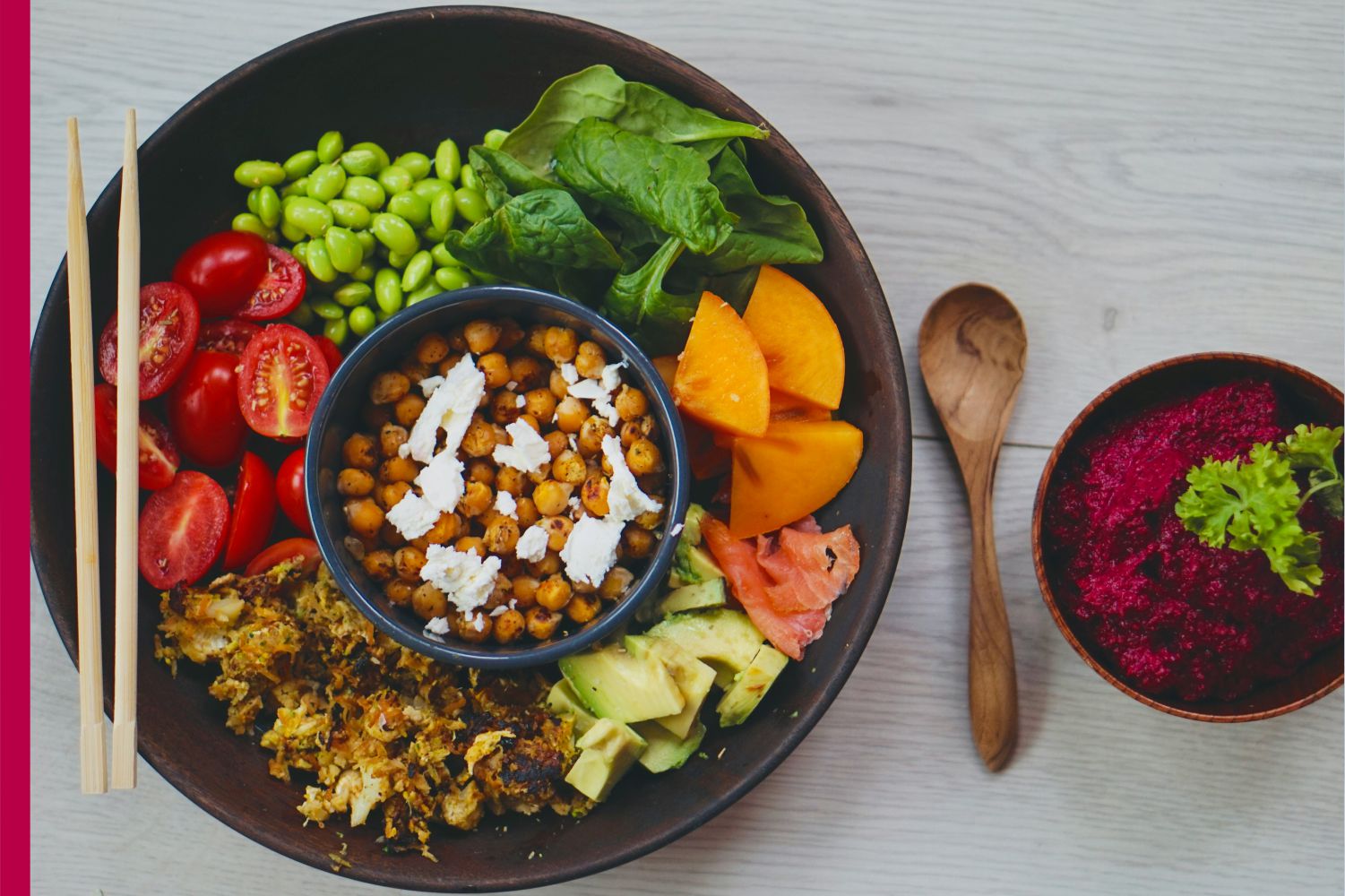
Healthy eating has become a central focus in modern lifestyles as people grow more conscious of the impact of food on their overall well-being. With rising awareness about nutrition, fitness, and disease prevention, individuals are making more informed dietary choices. This shift is driving new trends in the food industry, influencing how food is produced, marketed, and consumed.
One of the most prominent healthy eating trends is the growing preference for plant-based diets. Many individuals are reducing their intake of meat and animal products in favor of fruits, vegetables, legumes, and plant-based alternatives. This trend is driven by both health benefits and environmental concerns. Plant-based foods are often rich in nutrients, lower in saturated fats, and associated with reduced risk of chronic diseases.
Another significant trend is the focus on whole and natural foods. Consumers are moving away from processed and packaged items that contain artificial additives, preservatives, and excess sugar. Instead, they are opting for fresh, minimally processed foods that retain their natural nutrients. This approach not only improves health but also promotes better digestion and long-term wellness.
Functional foods are also gaining popularity in the healthy eating space. These are foods that offer additional health benefits beyond basic nutrition. Examples include probiotic-rich yogurt, antioxidant-packed berries, and fortified cereals. People are increasingly looking for foods that support immunity, improve gut health, and boost energy levels, especially in the wake of global health concerns.
Personalized nutrition is another emerging trend. With advancements in technology and data analysis, individuals can now tailor their diets based on their specific health needs, genetic factors, and lifestyle goals. Apps and digital tools provide customized meal plans, calorie tracking, and nutritional guidance, making it easier to maintain a balanced diet.
The rise of mindful eating is also influencing dietary habits. This practice encourages individuals to pay attention to what they eat, how they eat, and how food makes them feel. By focusing on portion control and eating slowly, people can develop a healthier relationship with food and avoid overeating. Mindful eating promotes awareness and helps individuals make better choices.

Convenience remains an important factor, even in healthy eating. Busy lifestyles have led to increased demand for ready-to-eat healthy meals, meal kits, and nutritious snacks. Food companies are responding by offering products that combine convenience with high nutritional value. This ensures that people can maintain healthy habits without compromising on time.
In countries like India, traditional diets are also being rediscovered and adapted to modern needs. Local ingredients, seasonal foods, and age-old cooking methods are gaining attention for their nutritional benefits. This blend of tradition and modern awareness is shaping a unique approach to healthy eating.
Despite these positive trends, challenges such as misinformation, high costs of organic products, and accessibility issues remain. Educating consumers and making healthy food more affordable are essential for widespread adoption.
In conclusion, healthy eating trends are transforming the way people approach nutrition and lifestyle. By focusing on natural, balanced, and mindful choices, individuals can improve their overall health and well-being. As awareness continues to grow, healthy eating will remain a key factor in building a sustainable and healthier future.