




The food and beverage industry is constantly evolving, shaped by changing consumer preferences, technological advancements, and global influences. In recent years, the industry has witnessed a significant transformation as consumers become more health-conscious, environmentally aware, and open to new culinary experiences. These shifts are driving innovative trends that are redefining how people eat, drink, and engage with food.
One of the most prominent trends is the growing demand for healthier options. Consumers are increasingly choosing foods that are natural, organic, and free from artificial additives. Plant-based diets have gained widespread popularity, with many people reducing or eliminating meat consumption in favor of plant-based alternatives. This shift is not only driven by health concerns but also by environmental and ethical considerations. Products such as plant-based milk, meat substitutes, and nutrient-rich snacks are becoming mainstream in both retail and dining spaces.
Sustainability is another key trend influencing the food and beverage industry. Consumers are more aware of the environmental impact of their choices, leading to a rise in demand for eco-friendly packaging, locally sourced ingredients, and reduced food waste. Restaurants and food brands are adopting sustainable practices, such as composting, recycling, and minimizing single-use plastics. This focus on sustainability is reshaping supply chains and encouraging responsible production methods.
Convenience continues to play a major role in consumer behavior. With busy lifestyles, people are seeking quick and easy meal solutions without compromising on quality. Ready-to-eat meals, meal kits, and on-the-go snacks are becoming increasingly popular. Food delivery services and cloud kitchens have also expanded rapidly, offering a wide variety of cuisines at the click of a button. Digital platforms have made it easier for consumers to access diverse food options from the comfort of their homes.

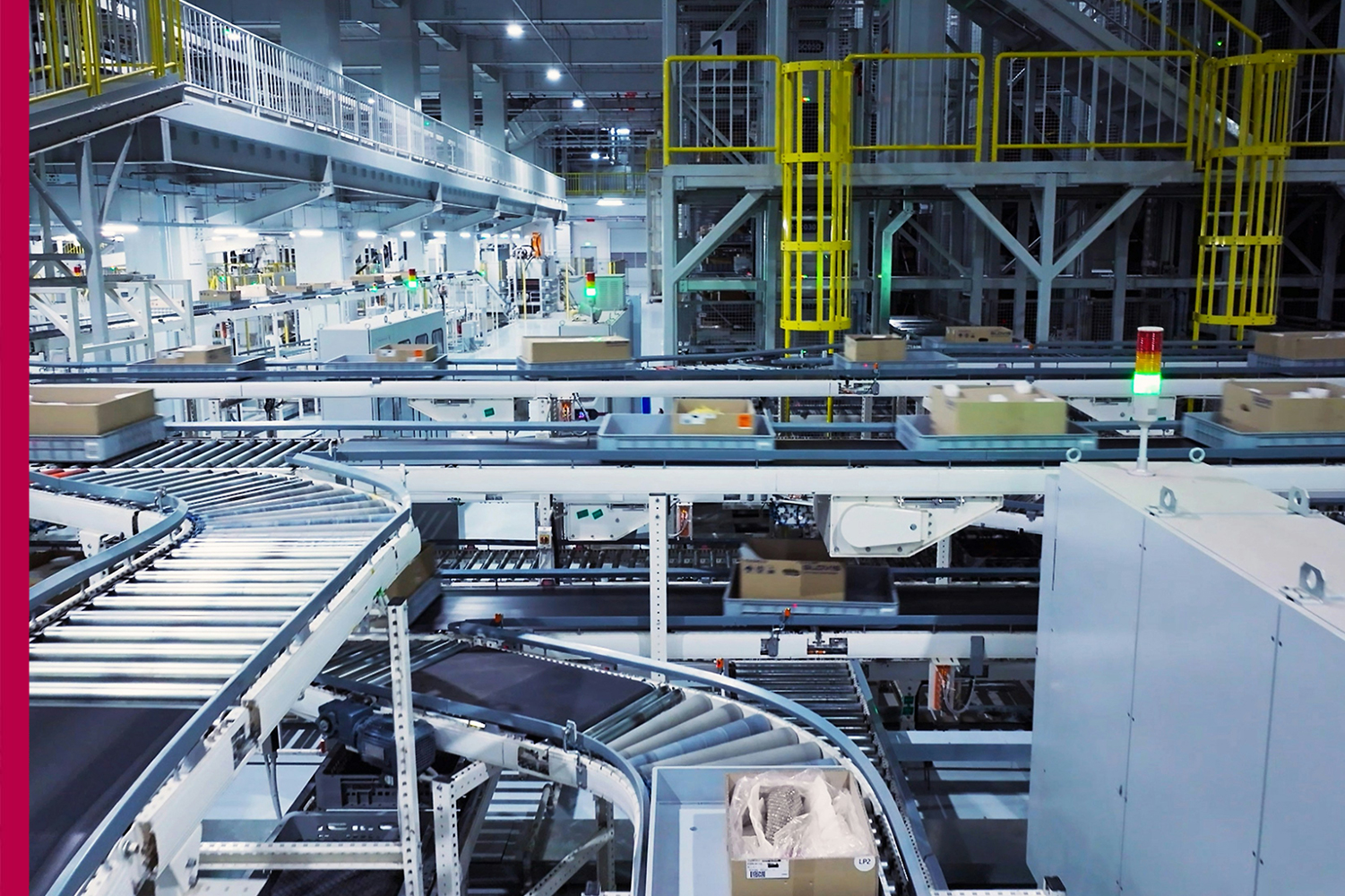
Technology is transforming the food and beverage sector in many ways. From automated kitchens to AI-driven menu planning, innovation is enhancing efficiency and customer experience. Online ordering systems, contactless payments, and personalized recommendations are becoming standard features. Technology is also enabling better tracking of food quality and safety, ensuring higher standards across the industry.
Globalization has introduced consumers to a wide range of international cuisines and flavors. Fusion food, which combines elements from different culinary traditions, is gaining popularity. People are more willing to experiment with new tastes, spices, and cooking styles, leading to a more diverse and dynamic food culture. This trend is particularly evident in urban areas where multicultural influences are strong.
Another emerging trend is the focus on functional foods and beverages. Consumers are looking for products that offer additional health benefits, such as improved immunity, better digestion, and increased energy. Items like probiotic drinks, herbal teas, and fortified snacks are gaining traction as people prioritize wellness in their daily diets.
In conclusion, the food and beverage industry is undergoing a dynamic transformation driven by health, sustainability, convenience, and innovation. As consumer expectations continue to evolve, businesses must adapt to these trends to remain competitive. The future of food lies in balancing taste, nutrition, and responsibility, creating a more conscious and diverse culinary landscape for everyone.