


E-commerce has revolutionized the way people shop, offering convenience, variety, and accessibility at the click of a button. However, behind every successful online order lies a complex logistics network that ensures products move efficiently from sellers to customers. As the e-commerce industry continues to grow rapidly, logistics has become one of its most critical and challenging components.
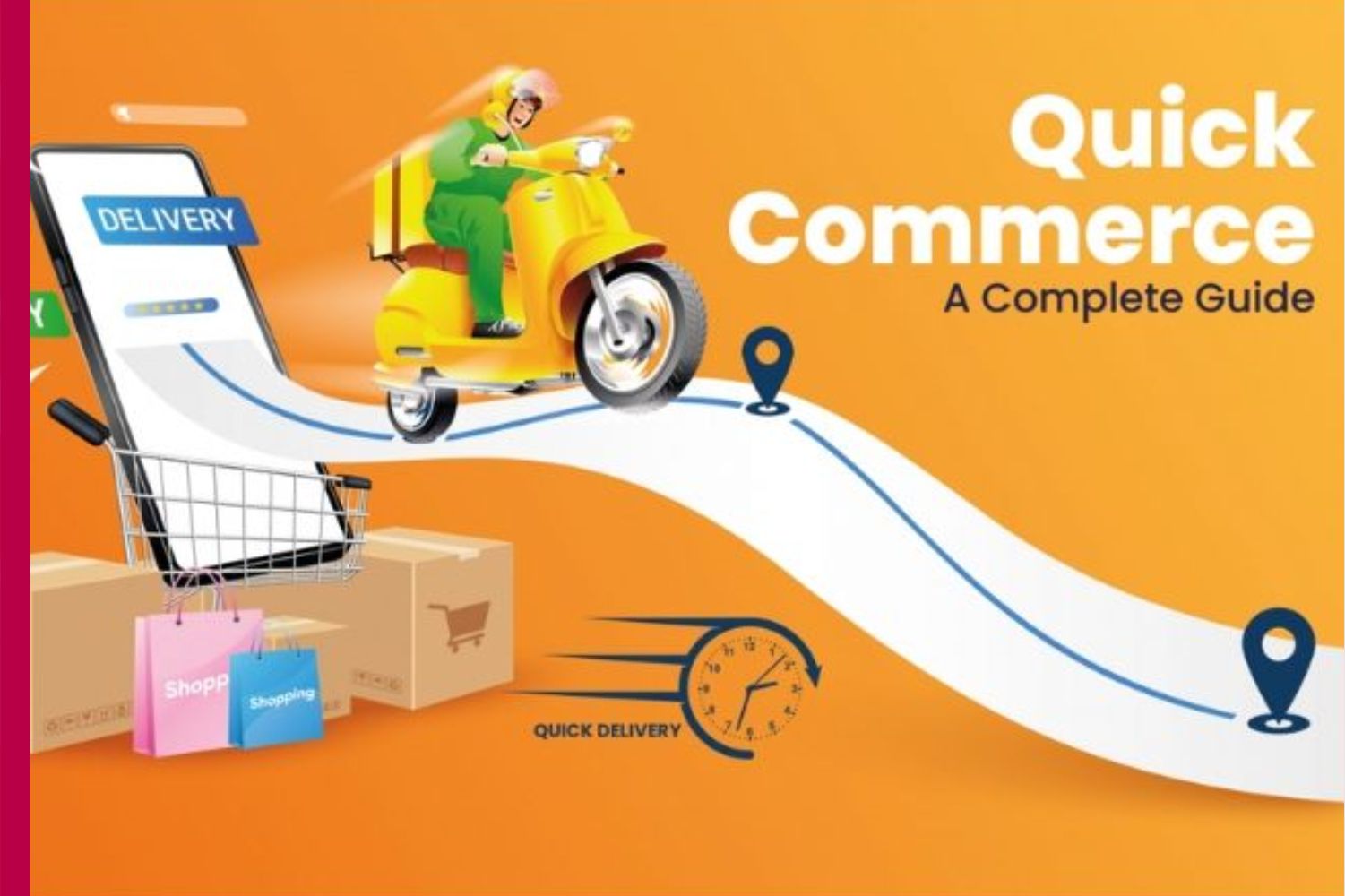
One of the primary challenges in e-commerce logistics is last-mile delivery. This final step of the delivery process, where goods reach the customer’s doorstep, is often the most expensive and time-consuming. Traffic congestion, remote locations, and unpredictable delivery schedules can delay shipments and increase operational costs. Customers today expect fast and reliable delivery, sometimes even within the same day, putting immense pressure on logistics providers to meet these demands.
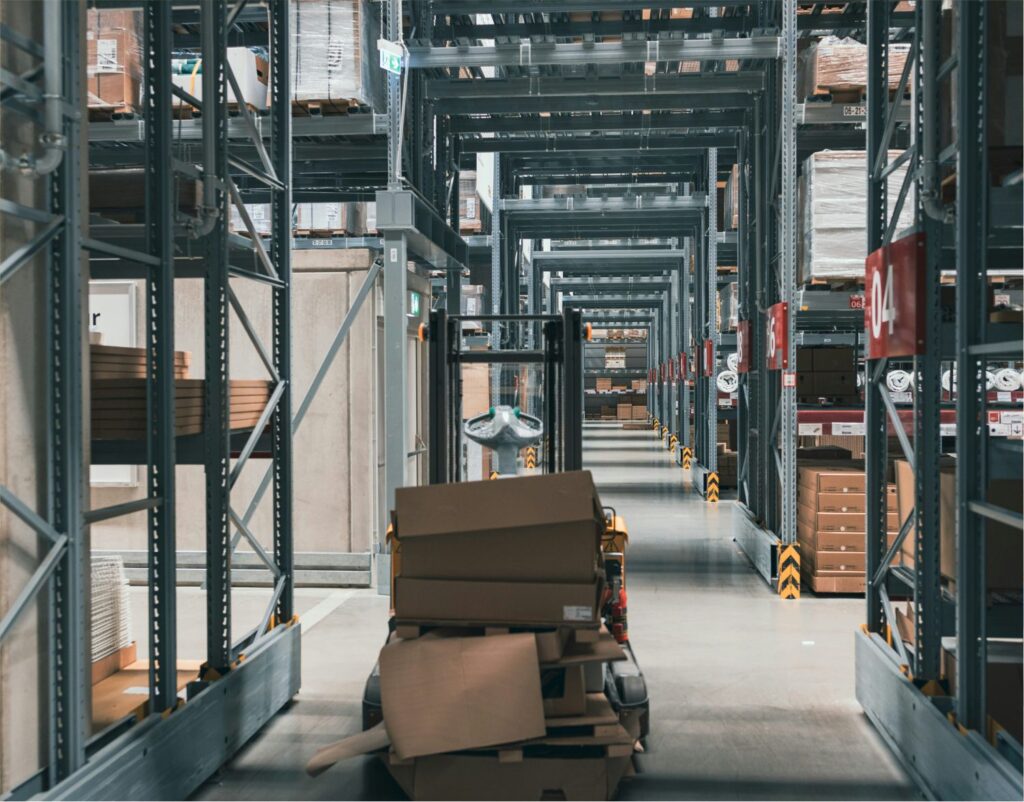
Inventory management is another significant hurdle. E-commerce businesses must maintain accurate stock levels across multiple warehouses and fulfillment centers. Overstocking leads to increased storage costs, while understocking can result in lost sales and dissatisfied customers. Managing inventory in real time, especially during peak seasons like festivals or sales events, requires advanced systems and careful planning.
Returns and reverse logistics add another layer of complexity. Unlike traditional retail, e-commerce sees a high rate of product returns due to size issues, damaged goods, or customer dissatisfaction. Handling returns involves transportation, inspection, restocking, and refunds, all of which increase costs and operational workload. Efficient return management systems are essential to maintain customer trust while controlling expenses.
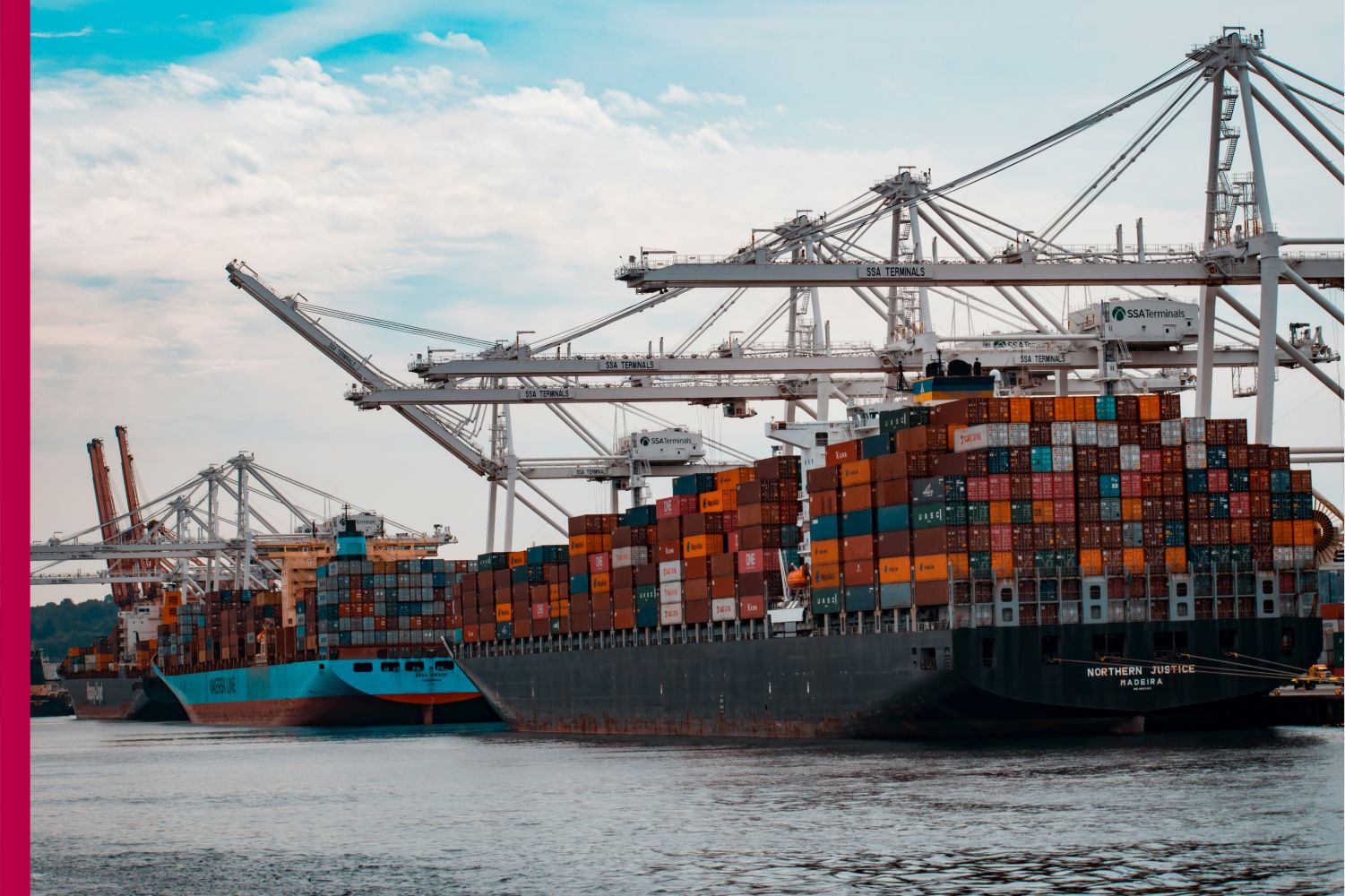
Another major challenge is maintaining supply chain efficiency. E-commerce relies on a network of suppliers, warehouses, and transportation providers. Any disruption such as delays in production, transportation strikes, or global crises can impact the entire system. Businesses must build resilient supply chains that can adapt to changing conditions and minimize disruptions.
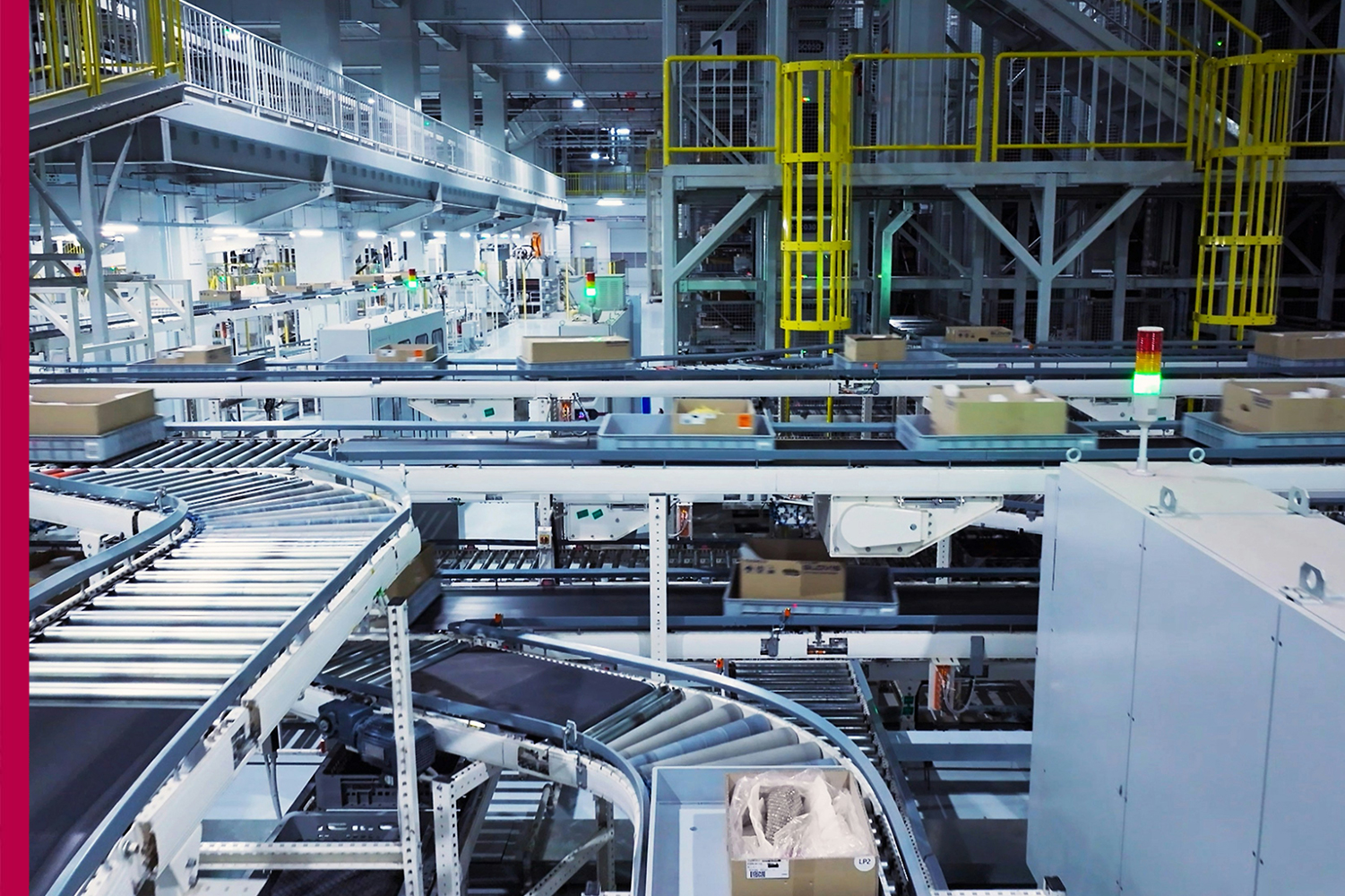
Technology plays a crucial role in addressing logistics challenges, but it also brings its own difficulties. Implementing advanced systems like warehouse automation, route optimization, and real-time tracking requires significant investment and expertise. Smaller businesses may struggle to adopt these technologies, creating a gap between large and small e-commerce players.
Cost management is a constant concern in e-commerce logistics. Rising fuel prices, labor costs, and infrastructure expenses can reduce profit margins. At the same time, customers often expect free or low-cost shipping, forcing businesses to balance affordability with operational sustainability. Finding cost-effective logistics solutions without compromising service quality is a major challenge.
Environmental impact is another growing issue. Increased packaging waste and frequent deliveries contribute to pollution and carbon emissions. E-commerce companies are now under pressure to adopt sustainable practices, such as eco-friendly packaging, optimized delivery routes, and green transportation methods.
In conclusion, logistics is the backbone of e-commerce, but it comes with numerous challenges that require continuous innovation and adaptation. From last-mile delivery and inventory management to returns and sustainability, businesses must address these issues to remain competitive. As technology and strategies evolve, overcoming these challenges will be key to ensuring efficient, reliable, and customer-friendly e-commerce operations.