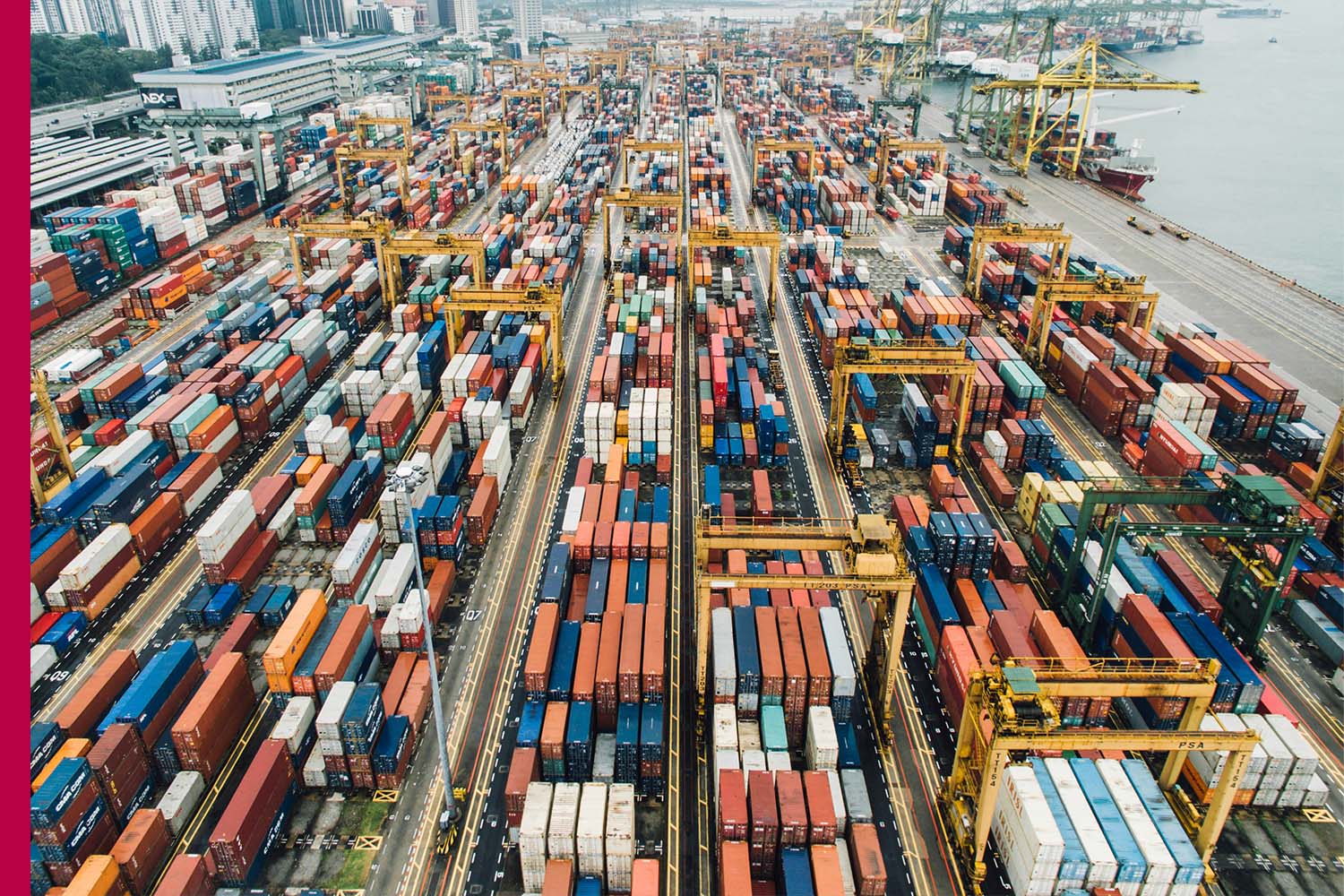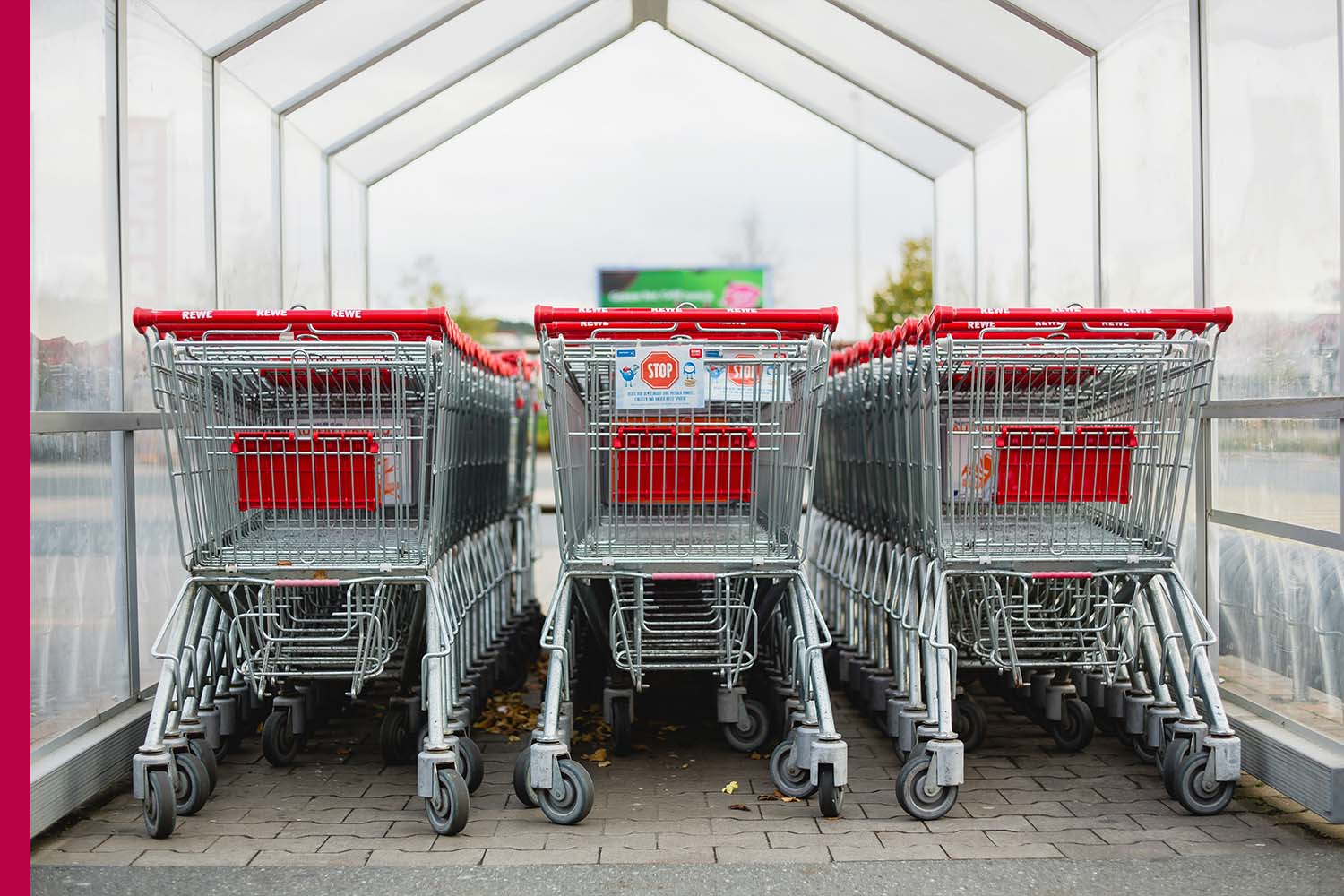

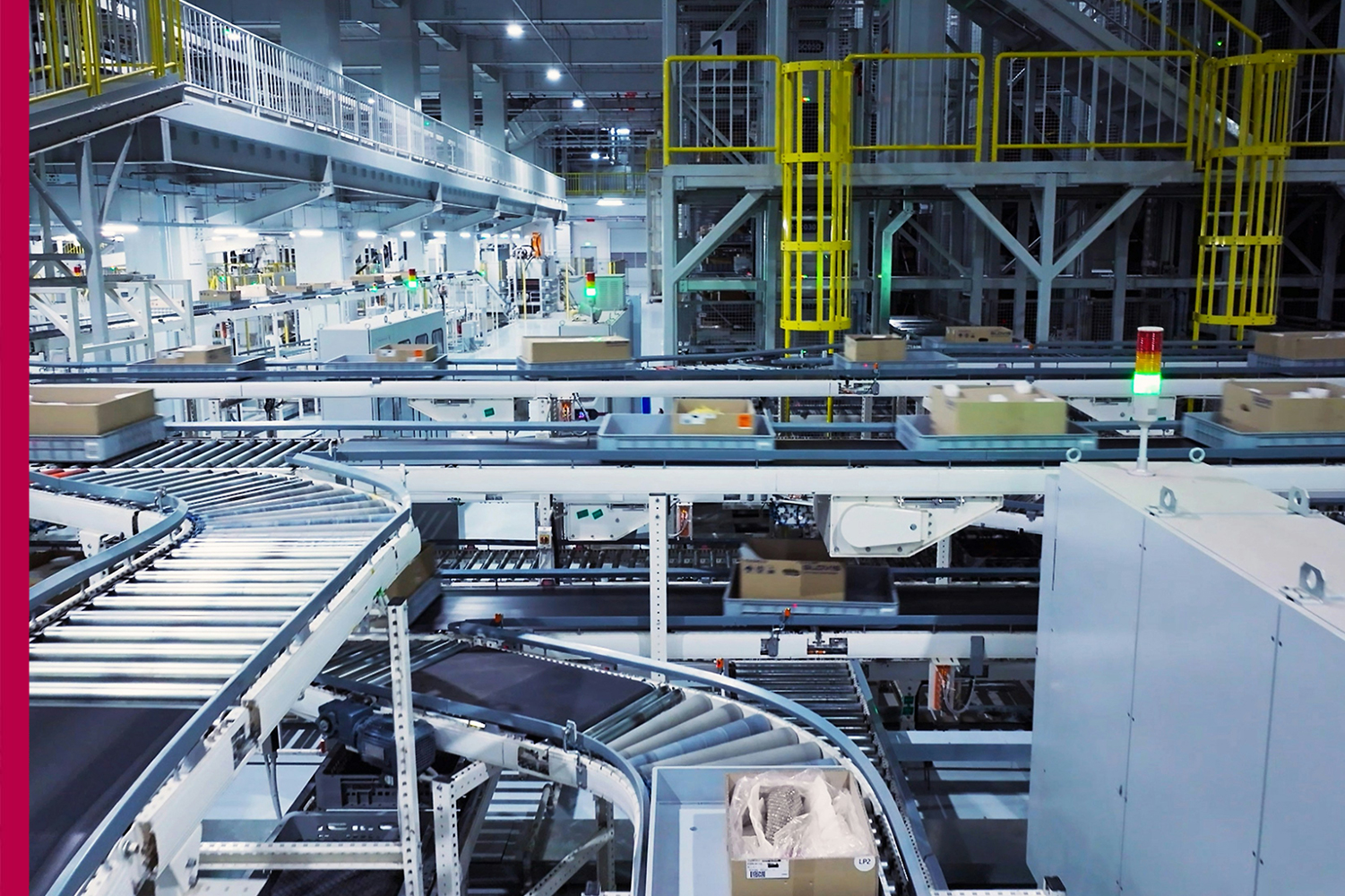


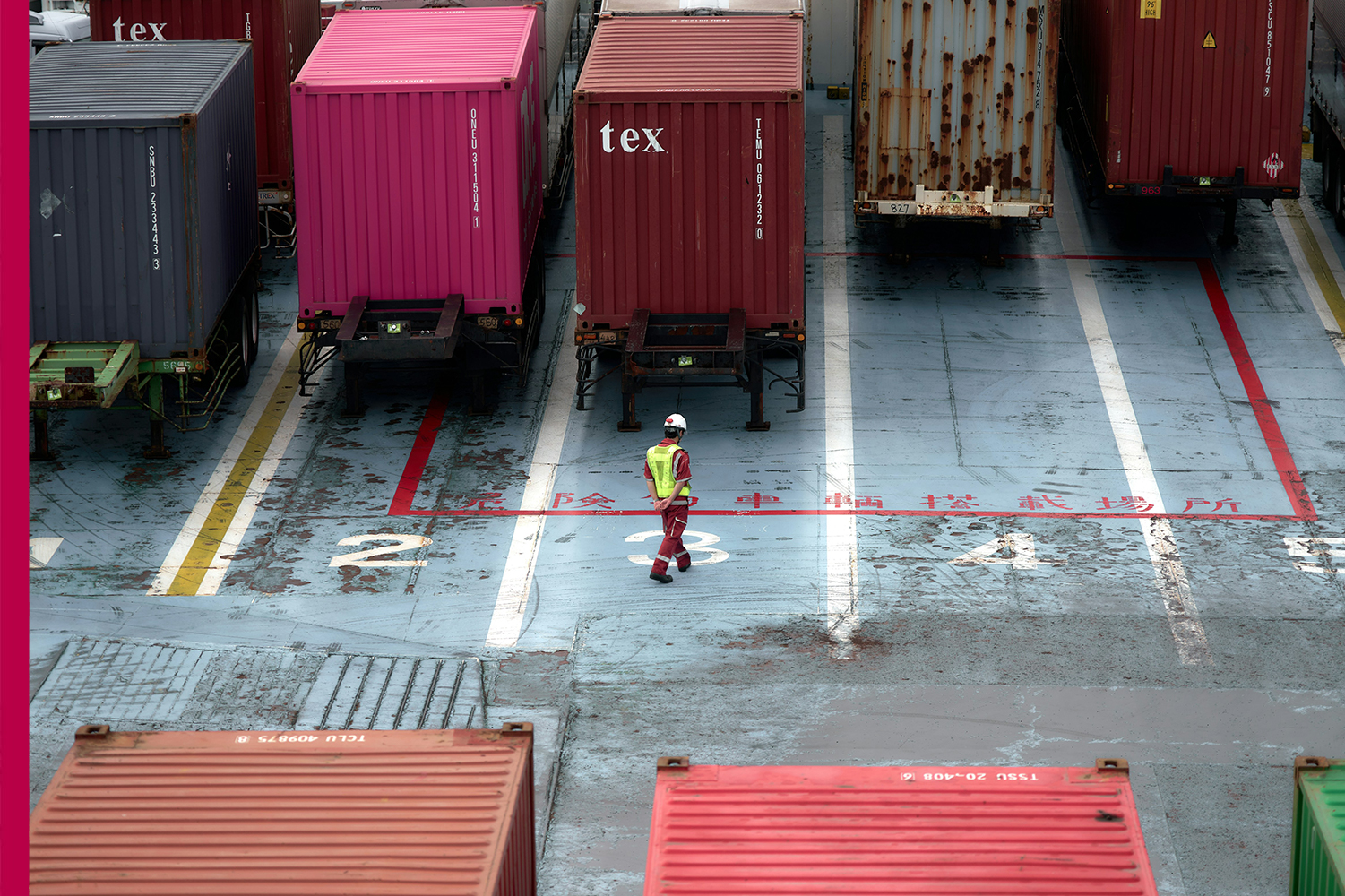
In an era marked by global disruptions, supply chain resilience has become a top priority for businesses across industries. From pandemics and geopolitical tensions to natural disasters and economic fluctuations, organizations are facing increasing uncertainty in their supply networks. As a result, companies are rethinking traditional supply chain models and adopting strategies that enhance flexibility, visibility, and risk management.
One of the key strategies for building resilient supply chains is diversification. Relying on a single supplier or region can expose businesses to significant risks. By diversifying suppliers and sourcing from multiple locations, companies can reduce dependency and ensure continuity in case of disruptions. This approach helps mitigate risks associated with political instability, trade restrictions, or supply shortages.
Digital transformation is playing a crucial role in strengthening supply chain resilience. Advanced technologies such as artificial intelligence, machine learning, and data analytics enable real-time monitoring and predictive insights. These tools help businesses anticipate disruptions, optimize inventory levels, and make informed decisions. Companies like IBM are providing digital solutions that enhance supply chain visibility and efficiency.
Another important strategy is improving supply chain visibility. End-to-end visibility allows organizations to track goods, monitor supplier performance, and identify potential bottlenecks. With better transparency, businesses can respond quickly to disruptions and maintain smooth operations. Technologies such as blockchain are also being explored to enhance traceability and trust within supply chains.
Inventory management is a critical component of resilience. While just-in-time (JIT) models focus on minimizing inventory costs, they can be vulnerable during disruptions. Many companies are now adopting a balanced approach by maintaining safety stock or strategic reserves. This ensures that operations can continue even when supply is temporarily disrupted.
Collaboration and strong supplier relationships are essential for resilient supply chains. Building long-term partnerships with suppliers fosters trust and improves communication. Collaborative planning and information sharing enable faster responses to challenges and ensure alignment across the supply chain network.
Localization is another emerging trend in supply chain strategies. Businesses are increasingly shifting toward local or regional sourcing to reduce transportation risks and lead times. This approach not only enhances resilience but also supports local economies and reduces carbon footprints.
In India, supply chain resilience is gaining importance as the country strengthens its manufacturing and logistics capabilities. Government initiatives such as infrastructure development and digitalization are supporting businesses in building more robust supply chains. Companies are investing in warehousing, transportation, and technology to improve efficiency and reliability.
Risk management and scenario planning are also crucial elements of resilience. Businesses are conducting risk assessments to identify vulnerabilities and develop contingency plans. Scenario planning helps organizations prepare for different types of disruptions and respond effectively when challenges arise.
Sustainability is increasingly being integrated into supply chain strategies. Companies are focusing on environmentally responsible practices, such as reducing emissions, minimizing waste, and using sustainable materials. A sustainable supply chain is often more resilient, as it emphasizes long-term stability and responsible resource management.
Despite these strategies, challenges remain. Implementing advanced technologies and diversifying supply chains require significant investment. Additionally, managing complex global networks can be difficult. However, the benefits of resilience such as reduced risk, improved efficiency, and enhanced customer trust—outweigh the costs.
In conclusion, supply chain resilience is no longer optional but essential in today’s dynamic business environment. By adopting strategies such as diversification, digital transformation, and collaboration, businesses can build agile and robust supply chains. As uncertainties continue to evolve, resilient supply chains will play a critical role in ensuring business continuity and long-term success.