



The agricultural sector is rapidly evolving with the adoption of advanced technologies, and drone technology is at the forefront of this transformation. Crop monitoring, once dependent on manual inspection and guesswork, is now becoming more accurate, efficient, and data-driven through the use of drones. These unmanned aerial vehicles (UAVs) are helping farmers optimize productivity, reduce costs, and make informed decisions in real time.
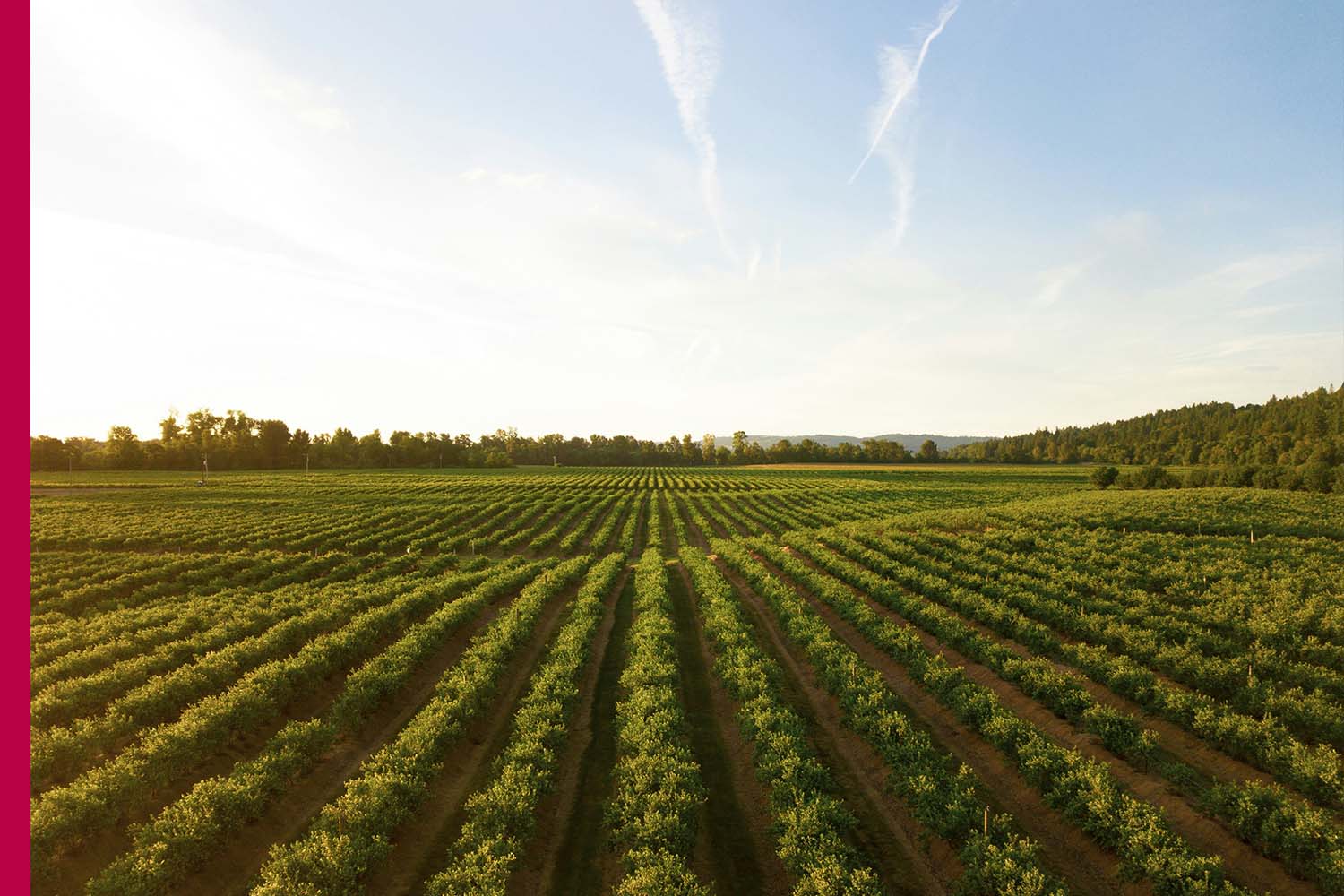
Drone technology in crop monitoring enables farmers to survey large agricultural fields quickly and efficiently. Traditional methods of field inspection can be time-consuming and labor-intensive, especially for large farms. Drones equipped with high-resolution cameras and sensors can cover vast areas in a short time, capturing detailed images and data that provide a comprehensive view of crop health and field conditions.
One of the key advantages of using drones is the ability to perform precision agriculture. Drones can capture multispectral and thermal images that reveal information not visible to the naked eye. These images help identify variations in crop health, soil moisture levels, nutrient deficiencies, and pest infestations. By analyzing this data, farmers can take targeted actions such as applying fertilizers, pesticides, or irrigation only where needed, reducing waste and improving efficiency.
Early detection of crop issues is another major benefit of drone technology. Diseases, pests, and stress conditions can be identified at an early stage before they spread across the field. This proactive approach allows farmers to take timely corrective measures, minimizing crop losses and improving yield quality. Early intervention is particularly important in regions where agricultural productivity is highly dependent on weather conditions and limited resources.
Drones also play a crucial role in monitoring crop growth and development. By capturing periodic aerial images, farmers can track growth patterns, assess plant health, and evaluate the effectiveness of agricultural practices. This continuous monitoring helps in making data-driven decisions and improving overall farm management strategies.
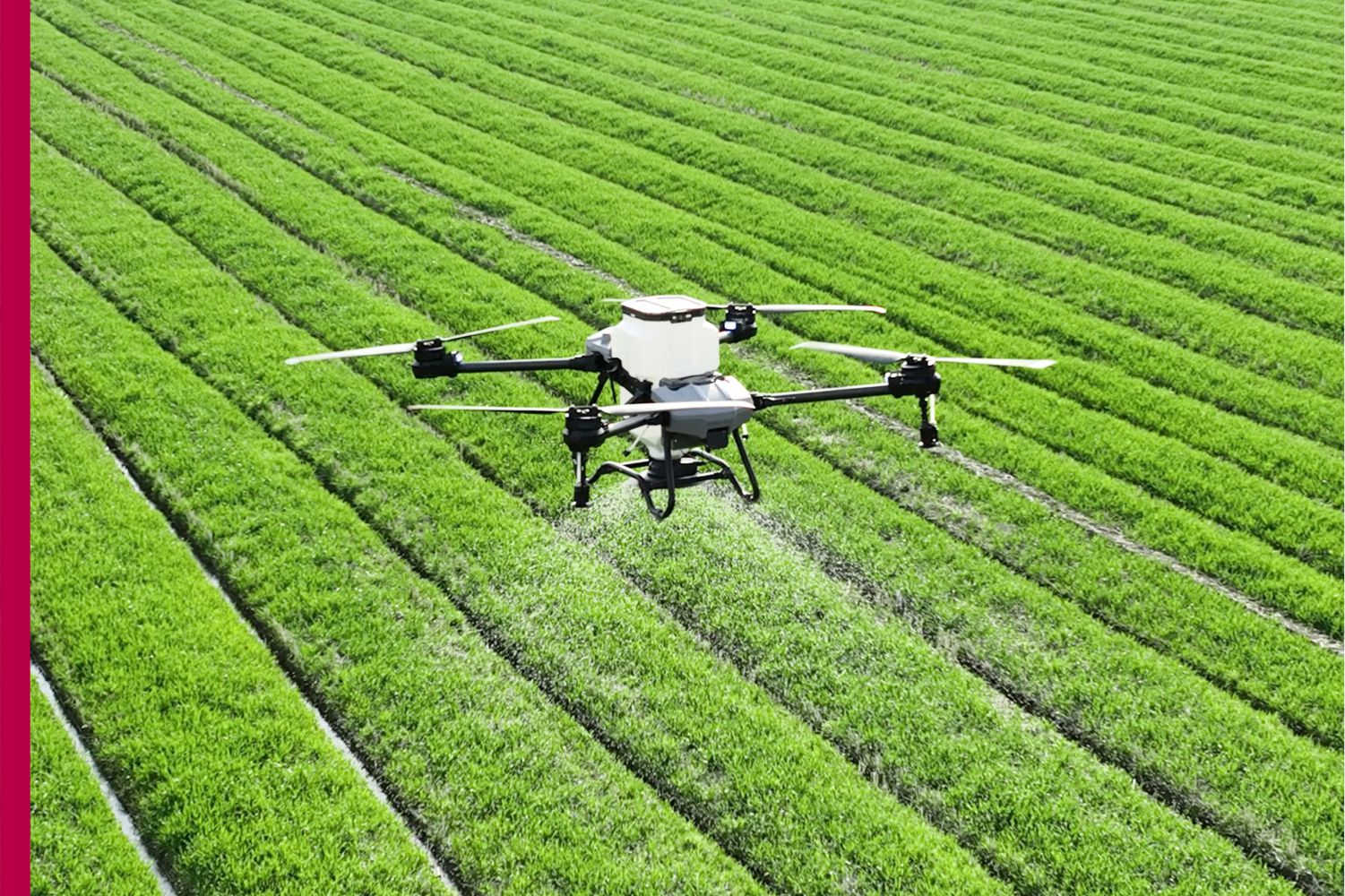
In addition to monitoring, drones are increasingly being used for crop spraying and seeding. Equipped with specialized spraying systems, drones can apply fertilizers and pesticides with high precision, reducing chemical usage and environmental impact. This targeted application not only saves costs but also ensures better crop protection and sustainability.
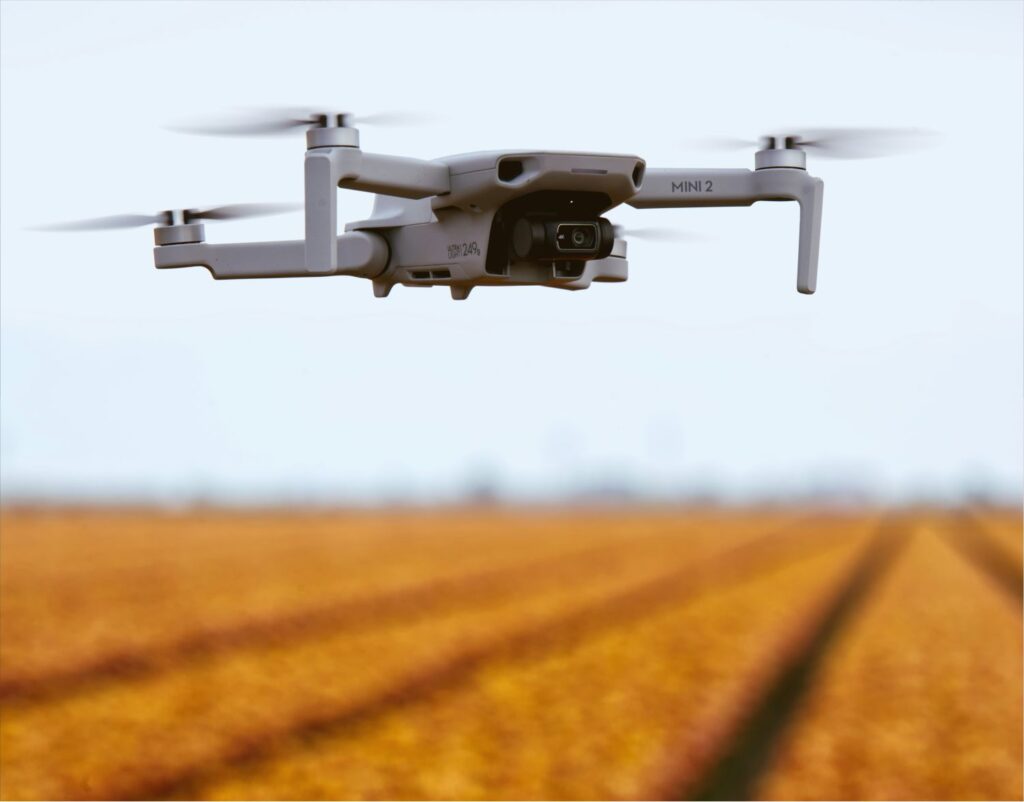
Data integration and analytics further enhance the value of drone technology in agriculture. The data collected by drones can be processed using advanced software and artificial intelligence tools to generate actionable insights. Farmers can access detailed reports, maps, and recommendations that guide decision-making and improve productivity. Integration with farm management systems allows for seamless planning and execution of agricultural activities.
Drone technology is also beneficial for small and medium farmers, especially in countries like India, where agriculture plays a vital role in the economy. Government initiatives and subsidies are encouraging the adoption of drones, making them more accessible and affordable. Training programs and service-based models are helping farmers leverage drone technology without the need for large investments.
Despite its advantages, the adoption of drone technology in crop monitoring faces challenges such as regulatory restrictions, high initial costs, and the need for technical expertise. However, ongoing advancements and supportive policies are gradually addressing these barriers.
In conclusion, drone technology is revolutionizing crop monitoring by enabling precision agriculture, improving efficiency, and enhancing decision-making. With the ability to provide real-time insights and optimize resource use, drones are helping farmers achieve higher productivity and sustainability. As technology continues to evolve, drones will play an increasingly important role in shaping the future of modern agriculture.