

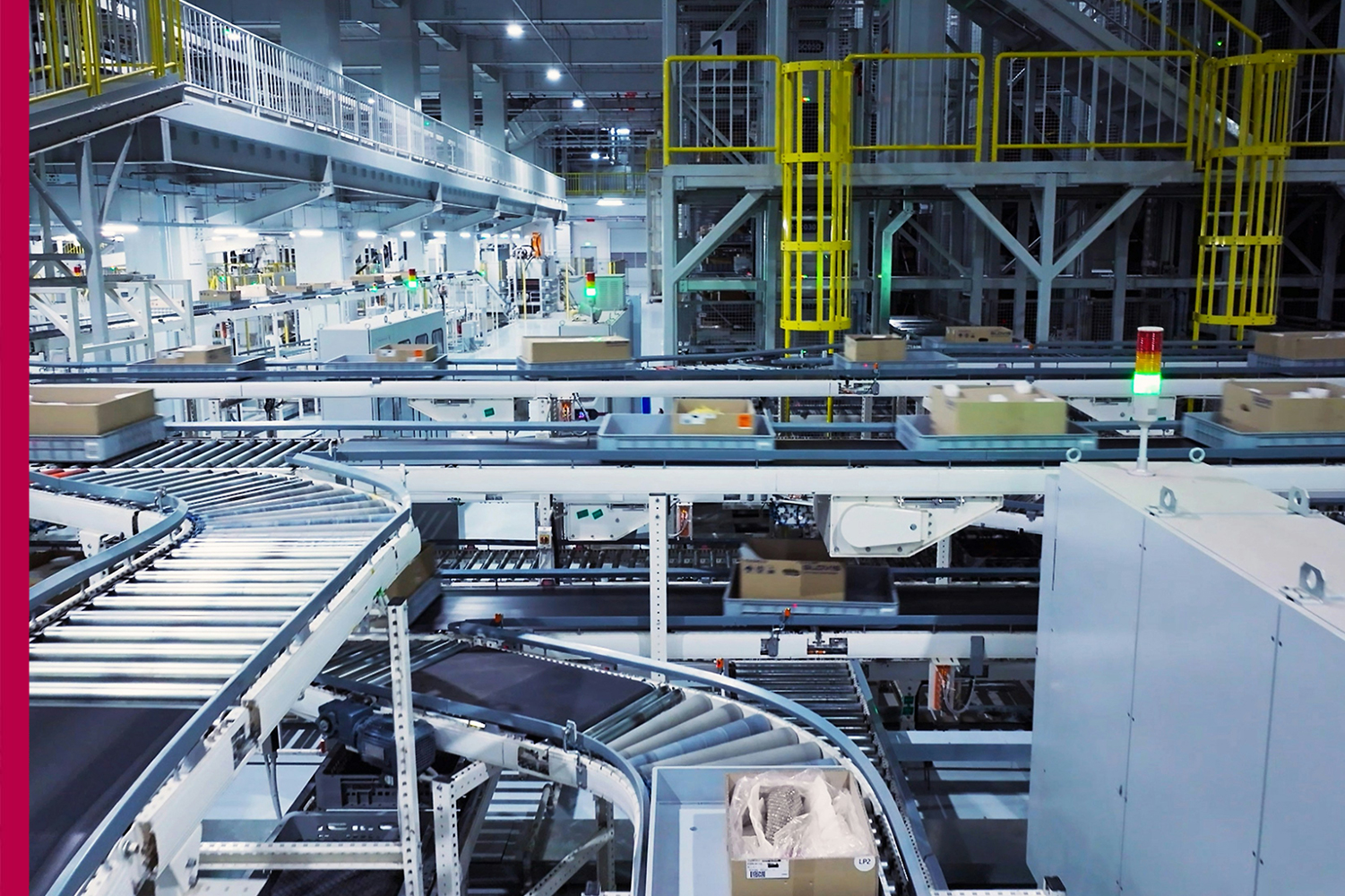


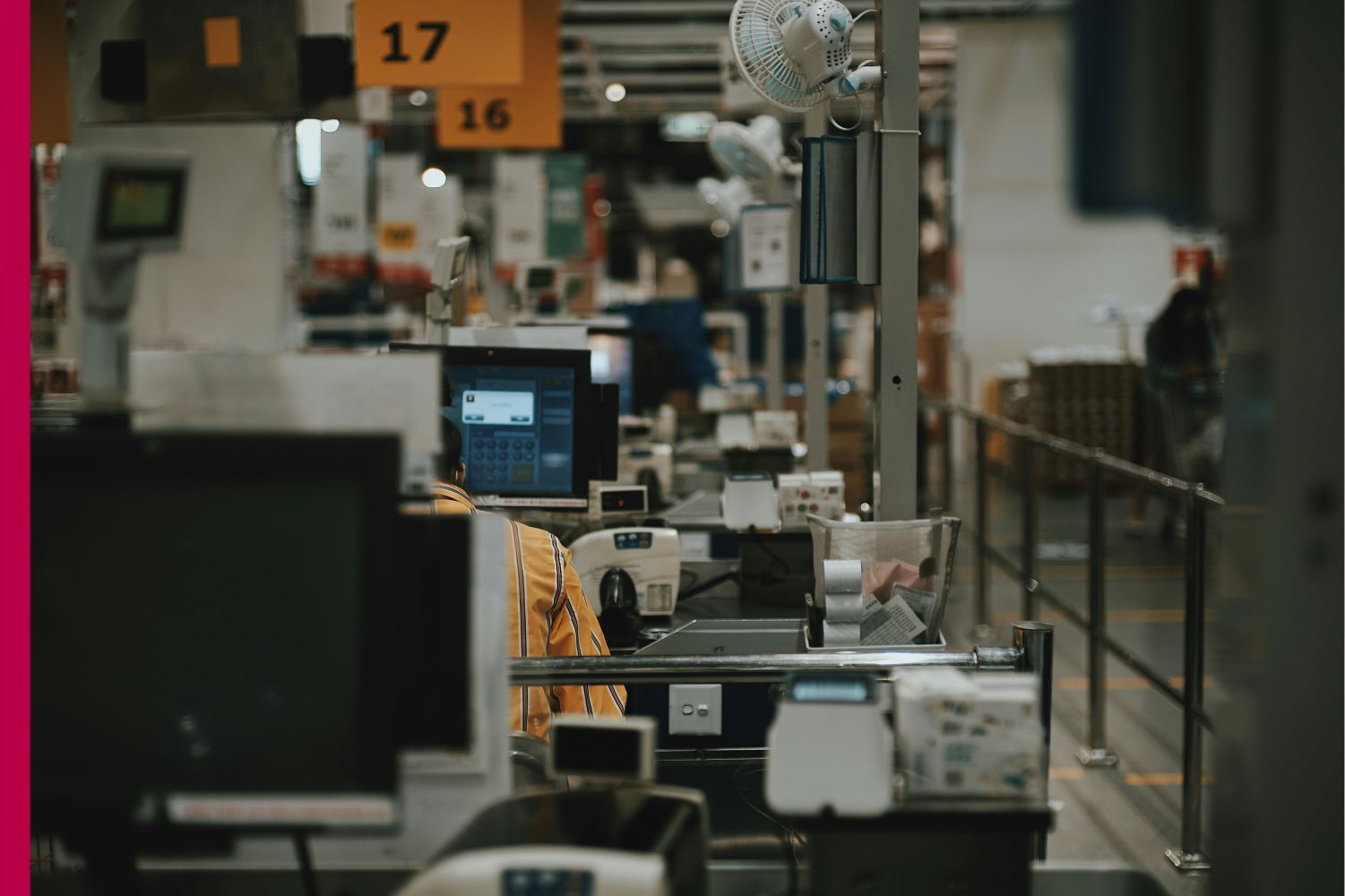
The warehousing and logistics industry is undergoing a major transformation driven by automation. As global trade expands and e-commerce demand continues to rise, businesses are under pressure to deliver faster, more accurate, and cost-effective services. Automation in warehousing and logistics is emerging as a key solution, enabling companies to streamline operations, reduce errors, and improve overall efficiency.
Automation involves the use of advanced technologies such as robotics, artificial intelligence (AI), machine learning, and the Internet of Things (IoT) to perform tasks with minimal human intervention. In warehouses, automated systems are replacing manual processes in areas like inventory management, order picking, packing, and sorting. This shift not only speeds up operations but also enhances accuracy and consistency.
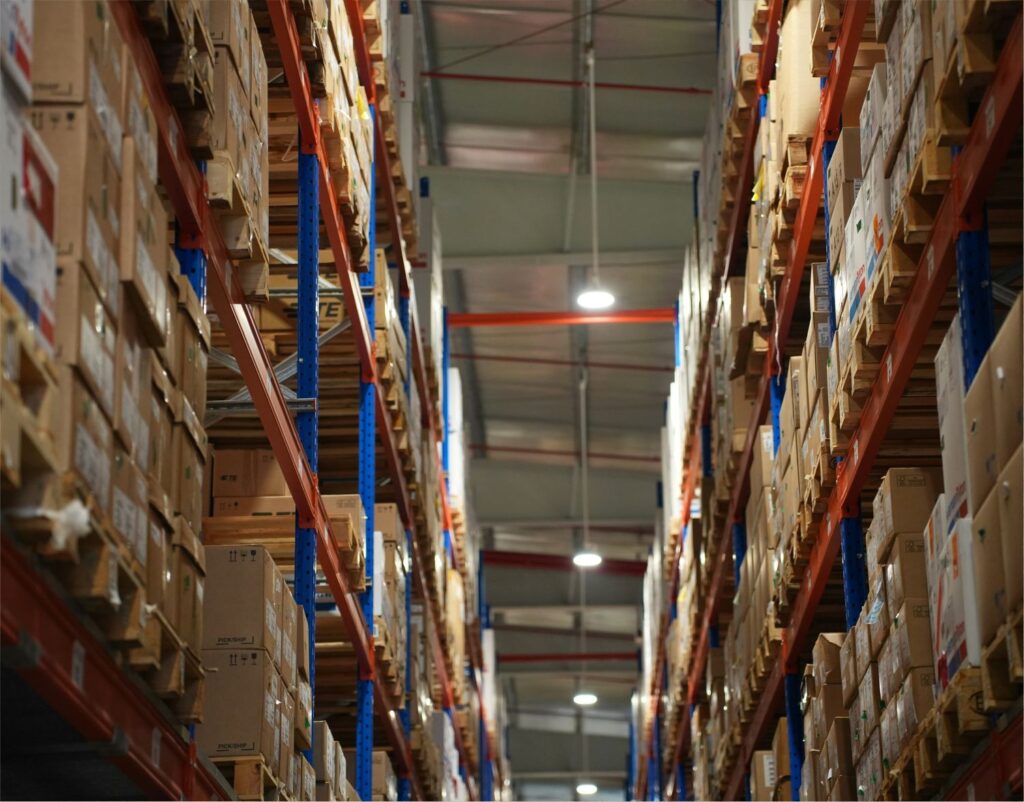
One of the most significant applications of automation is in automated storage and retrieval systems (AS/RS). These systems use robots and computer-controlled mechanisms to store and retrieve goods efficiently. By optimizing storage space and reducing the need for manual handling, AS/RS improves productivity and minimizes the risk of damage to goods. It also allows warehouses to operate in a more organized and space-efficient manner.
Robotics is playing a central role in modern warehouses. Autonomous mobile robots (AMRs) and automated guided vehicles (AGVs) are used to transport goods within warehouses, reducing the need for manual labor. These robots can navigate complex layouts, avoid obstacles, and work continuously without fatigue. Companies like Amazon have successfully integrated robotics into their fulfillment centers, significantly improving speed and efficiency.
Automation also enhances inventory management through real-time tracking and data analysis. IoT-enabled sensors and RFID technology provide accurate information about stock levels, location, and movement of goods. This visibility helps businesses maintain optimal inventory levels, reduce stockouts, and avoid overstocking. Real-time data also enables better demand forecasting and decision-making.
Order fulfillment is another area where automation delivers significant benefits. Automated picking systems use advanced algorithms and robotic arms to select items quickly and accurately. This reduces picking errors and shortens order processing times. Automated sorting systems further streamline the process by organizing packages based on destination, ensuring faster dispatch and delivery.
In logistics, automation extends beyond warehouses to transportation and distribution. Route optimization software uses AI to determine the most efficient delivery routes, reducing fuel consumption and delivery time. Autonomous delivery vehicles and drones are also being explored to enhance last-mile delivery, particularly in urban and remote areas.
One of the key advantages of automation is cost efficiency. While the initial investment in automation technology can be high, the long-term benefits include reduced labor costs, increased productivity, and lower error rates. Automation also improves workplace safety by minimizing the need for workers to perform repetitive or physically demanding tasks.
However, the adoption of automation in warehousing and logistics comes with challenges. High implementation costs, the need for skilled workforce training, and system integration issues can slow down adoption. Additionally, concerns about job displacement need to be addressed through reskilling and upskilling initiatives.
Despite these challenges, the future of warehousing and logistics is increasingly automated. As technology continues to evolve, automation will become more accessible and scalable for businesses of all sizes. Companies that embrace automation will be better positioned to meet growing customer expectations and remain competitive in a fast-changing market.
In conclusion, automation in warehousing and logistics is revolutionizing supply chain operations by improving efficiency, accuracy, and speed. By leveraging advanced technologies, businesses can optimize their processes, reduce costs, and deliver superior customer experiences. As automation continues to advance, it will play a crucial role in shaping the future of global logistics.