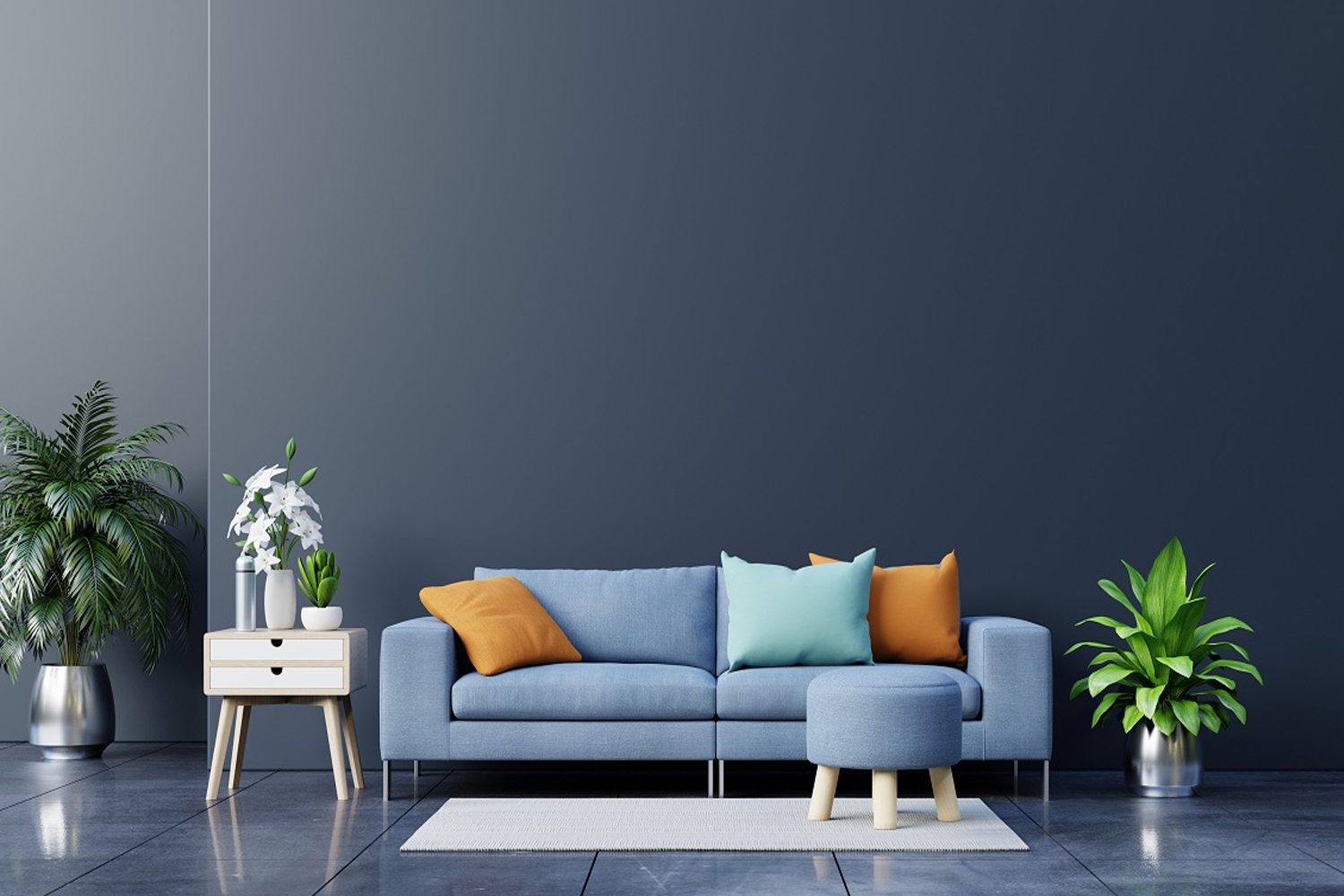








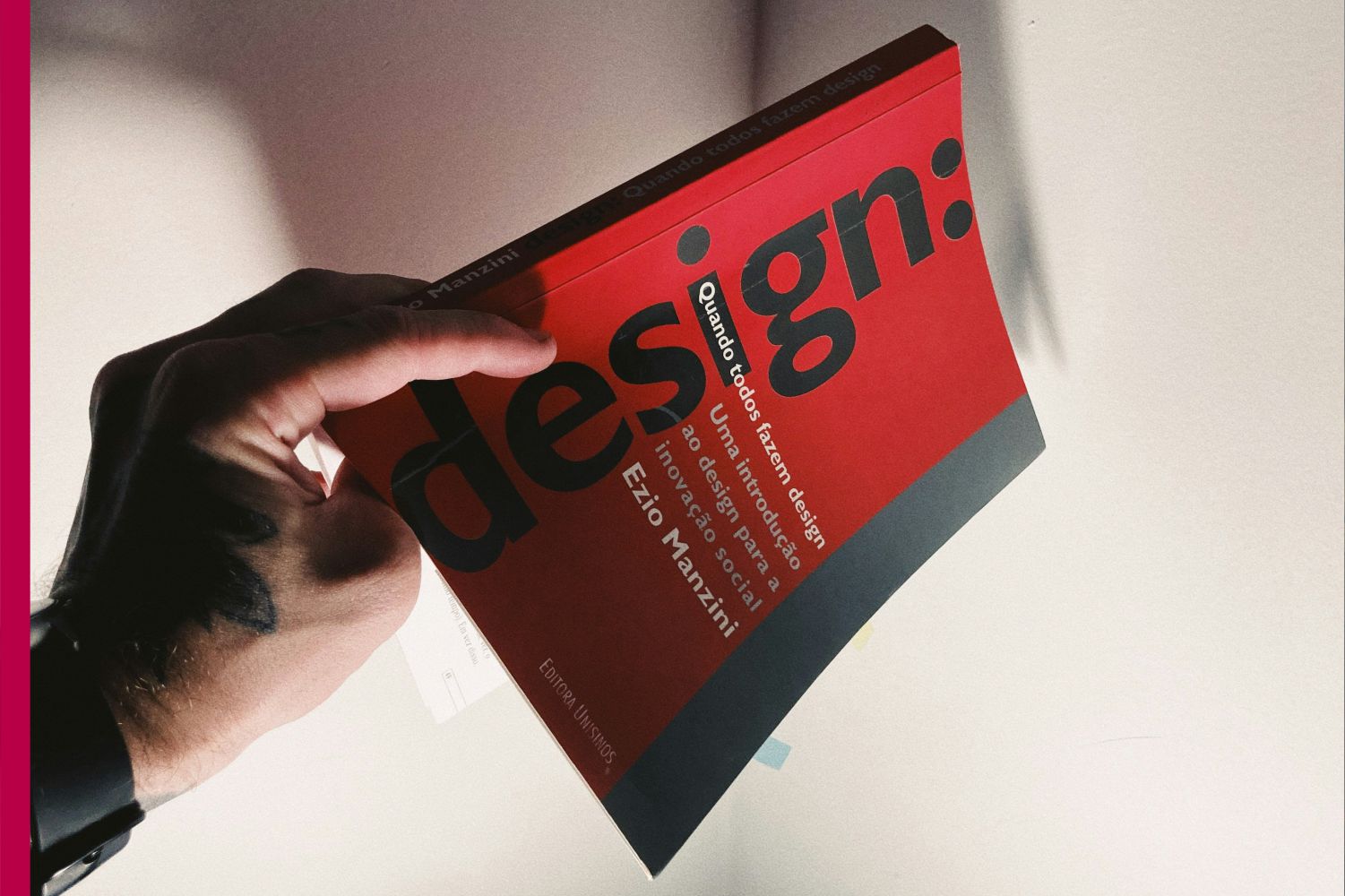
In 2026, minimalist design continues to dominate the branding landscape, reflecting a shift toward simplicity, clarity, and purposeful communication. As consumers are increasingly overwhelmed by information and digital noise, brands are embracing minimalism to stand out with clean, focused, and memorable identities. This design philosophy, rooted in the idea of “less is more,” is not just an aesthetic choice but a strategic approach to building strong and lasting brand connections.
Minimalist branding focuses on removing unnecessary elements and highlighting what truly matters. Clean layouts, ample white space, simple color palettes, and clear typography are at the core of this trend. By eliminating visual clutter, brands can communicate their message more effectively and ensure that their identity is easily recognizable across different platforms. In a fast-scrolling digital world, simplicity helps capture attention quickly and leaves a lasting impression.
One of the key drivers behind minimalist design in 2026 is the rise of digital-first branding. With most brand interactions happening online through websites, mobile apps, and social media—designs must be optimized for smaller screens and quick consumption. Minimalist visuals load faster, improve user experience, and adapt seamlessly across devices. This makes them ideal for maintaining consistency in a multi-platform environment.
Typography has become a powerful tool in minimalist branding. Brands are increasingly using bold, clean, and readable fonts to convey personality and tone. Instead of relying on complex graphics, typography itself becomes a central design element. Simple yet distinctive typefaces help brands establish a strong visual identity while maintaining clarity and accessibility.
Color usage in minimalist design is also evolving. While traditional minimalism often relied on neutral tones such as black, white, and grey, modern minimalist branding in 2026 incorporates subtle accent colors to create contrast and visual interest. Limited color palettes not only enhance aesthetic appeal but also strengthen brand recognition. A carefully chosen color scheme can communicate emotion, values, and positioning without overwhelming the viewer.
Another important aspect of minimalist branding is the use of negative space. Also known as white space, it allows design elements to breathe and improves overall readability. Effective use of space guides the viewer’s attention and creates a sense of balance and sophistication. This approach enhances both visual appeal and user engagement.
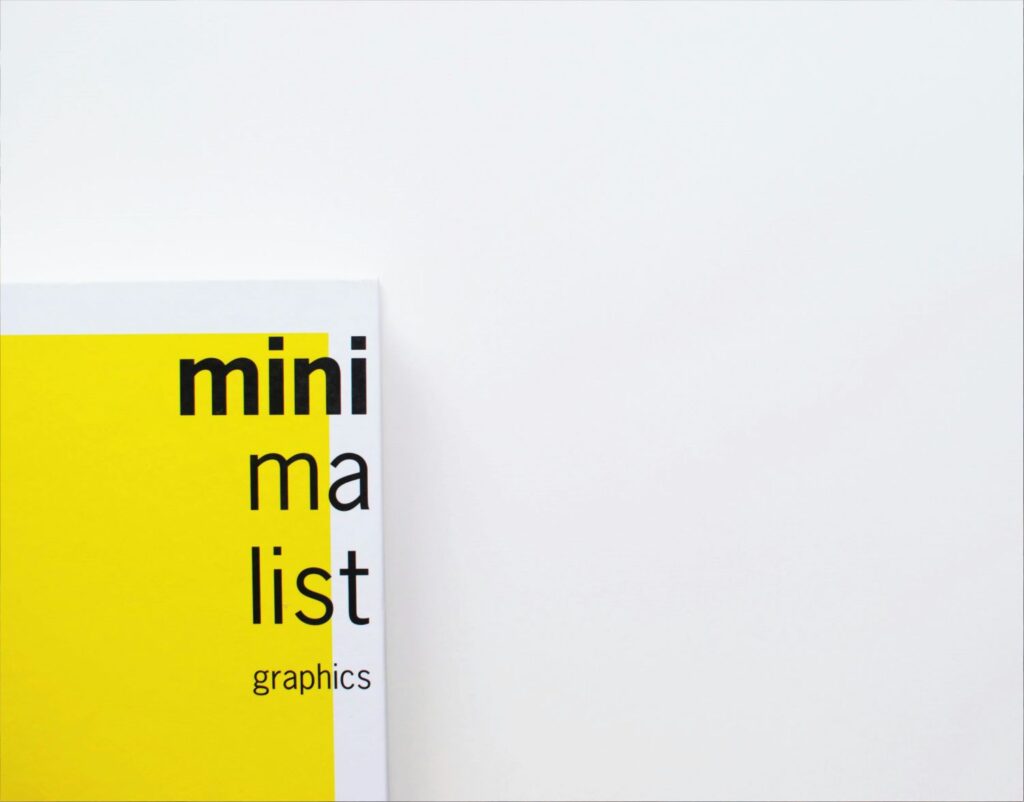
Minimalist design also aligns with broader cultural and consumer trends. As sustainability and conscious consumption gain importance, brands are moving toward simplicity not only in design but also in messaging and values. Minimalist branding reflects transparency, authenticity, and a focus on quality over quantity. It resonates with modern consumers who prefer clean, honest, and meaningful brand experiences.
Technology is further enabling minimalist design trends. Advanced design tools and AI-driven platforms allow designers to experiment with layouts, spacing, and typography more efficiently. Motion design and subtle animations are being integrated into minimalist interfaces, adding interactivity without compromising simplicity. These elements enhance user experience while maintaining a clean visual style.
Despite its advantages, minimalist branding requires careful execution. Stripping down design elements too much can risk making a brand appear generic or lacking personality. The challenge lies in balancing simplicity with uniqueness, ensuring that the brand remains distinctive and memorable.
In conclusion, minimalist design trends are dominating branding in 2026 by offering clarity, efficiency, and elegance in an increasingly complex digital environment. By focusing on essential elements and delivering clean, impactful visuals, brands can create stronger connections with their audiences. As the demand for simplicity and authenticity continues to grow, minimalist branding will remain a powerful strategy for modern businesses.