


India’s Micro, Small, and Medium Enterprises (MSME) sector is entering a transformative phase in 2026, driven by digital innovation, policy support, and a shift in economic activity beyond metro cities. Traditionally concentrated in urban hubs, MSMEs are now expanding rapidly into Tier-2, Tier-3 cities, and rural regions, unlocking new growth opportunities and redefining India’s economic landscape.
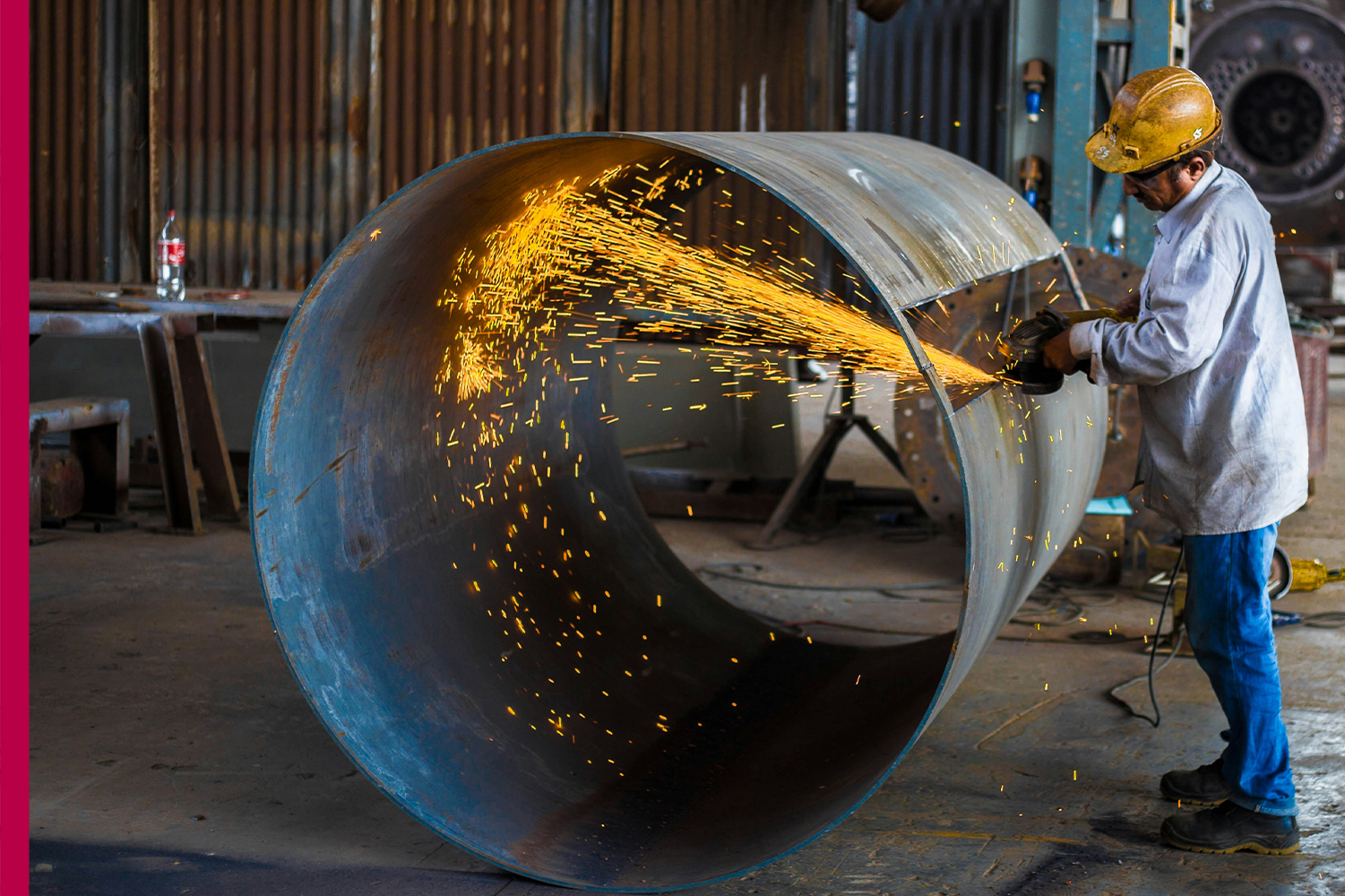
The MSME sector continues to be a cornerstone of India’s economy, contributing significantly to GDP, exports, and employment. As per recent estimates, MSMEs account for over 31% of GDP, nearly 35% of manufacturing output, and close to 48% of exports, employing more than 32 crore people. This massive footprint highlights their importance not just in economic growth but also in inclusive development, especially in non-metro regions.
One of the most important growth trends in 2026 is the geographic shift of MSMEs. More than 50% of MSMEs are now located in Tier-2 and Tier-3 cities, signaling a decentralization of industrial and entrepreneurial activity. Improved infrastructure, better connectivity, and digital penetration have made smaller towns attractive for businesses. Lower operational costs, availability of local talent, and reduced competition compared to metros further enhance their appeal.
Digital transformation is another key driver of MSME growth. Technologies such as e-commerce platforms, digital payments, cloud computing, and artificial intelligence are enabling small businesses to scale faster and compete with larger enterprises. The increasing adoption of digital tools has allowed MSMEs in smaller towns to access national and global markets without the need for physical expansion. Government-backed initiatives and platforms have further simplified business operations, financing, and compliance.
Access to finance has improved significantly, contributing to the sector’s expansion. MSME credit is expected to grow strongly, supported by schemes such as the Credit Guarantee Scheme, Mudra loans, and new initiatives like the Unified Lending Interface. These financial innovations are helping entrepreneurs in non-metro regions overcome traditional barriers to funding and scale their operations more effectively.
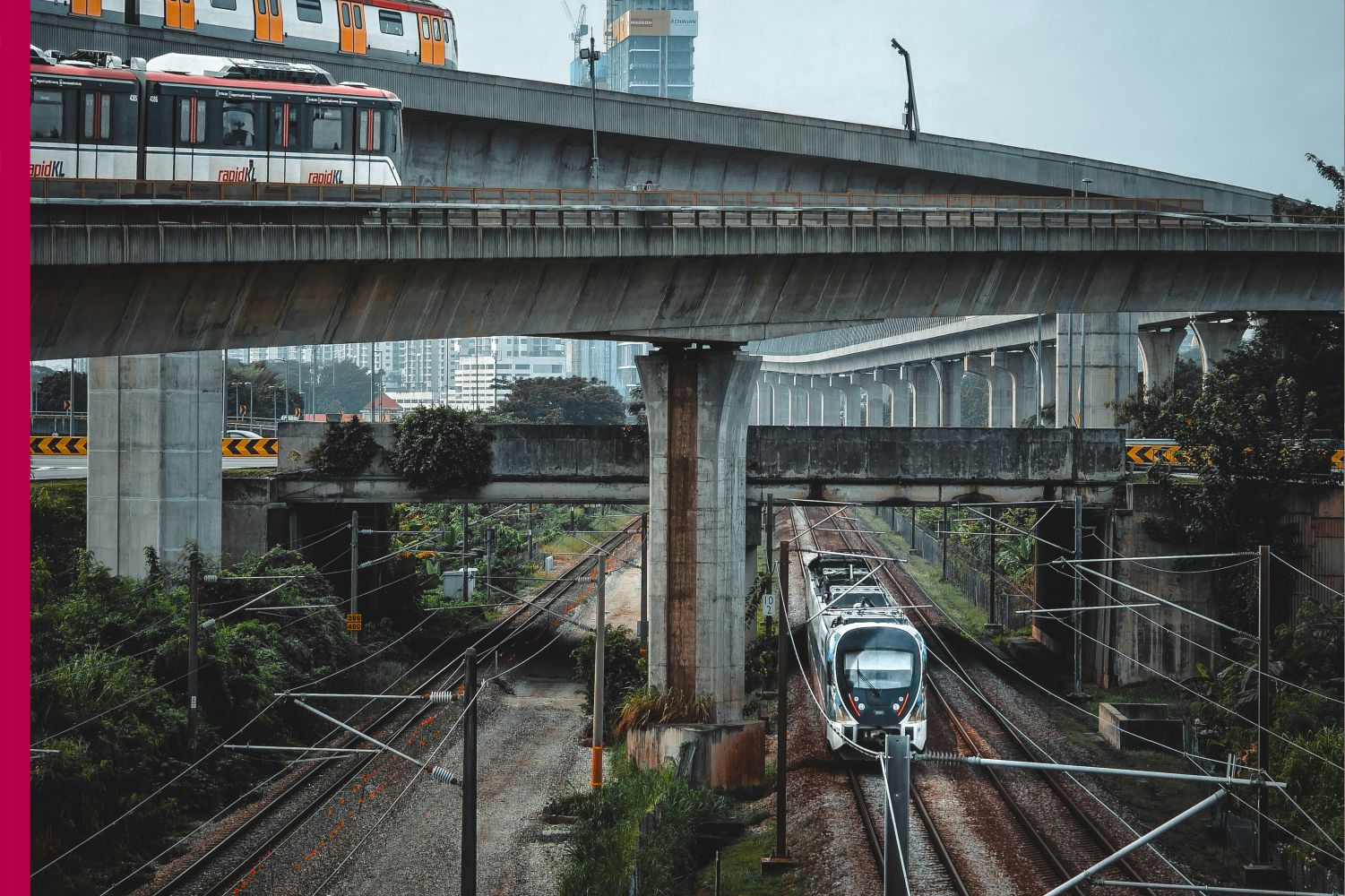
Infrastructure development is also playing a crucial role in supporting MSME growth beyond metro cities. New industrial clusters, logistics parks, and improved road connectivity are enabling businesses to operate efficiently in smaller regions. Recent developments, such as the creation of new industrial zones in states like Madhya Pradesh, are expected to attract MSME investments and boost regional manufacturing ecosystems.

Another emerging trend is the rise of local innovation and sector-specific clusters. MSMEs in smaller cities are increasingly focusing on niche sectors such as food processing, textiles, renewable energy, and agri-based industries. Technology transfer initiatives and collaborations are enabling these businesses to create value-added products and compete in both domestic and international markets.
The “China Plus One” strategy and global supply chain diversification are also creating new opportunities for Indian MSMEs. As global companies look to diversify manufacturing bases, smaller cities in India are becoming attractive destinations for sourcing and production. This trend is particularly beneficial for MSMEs engaged in electronics, engineering, and export-oriented industries.
However, challenges remain. Skill gaps, digital literacy, and access to advanced technology continue to limit growth in some regions. Additionally, issues such as delayed payments, compliance complexities, and infrastructure gaps still need to be addressed. Industry discussions also highlight the need for better integration of MSMEs into larger supply chains and improved access to timely credit.
In conclusion, India’s MSME growth trends in 2026 reflect a powerful shift toward decentralization, digitalization, and inclusive development. Opportunities beyond metro cities are expanding rapidly, driven by policy support, infrastructure development, and technological adoption. As smaller cities emerge as new growth engines, MSMEs will play a crucial role in shaping India’s journey toward a more balanced, resilient, and globally competitive economy.