


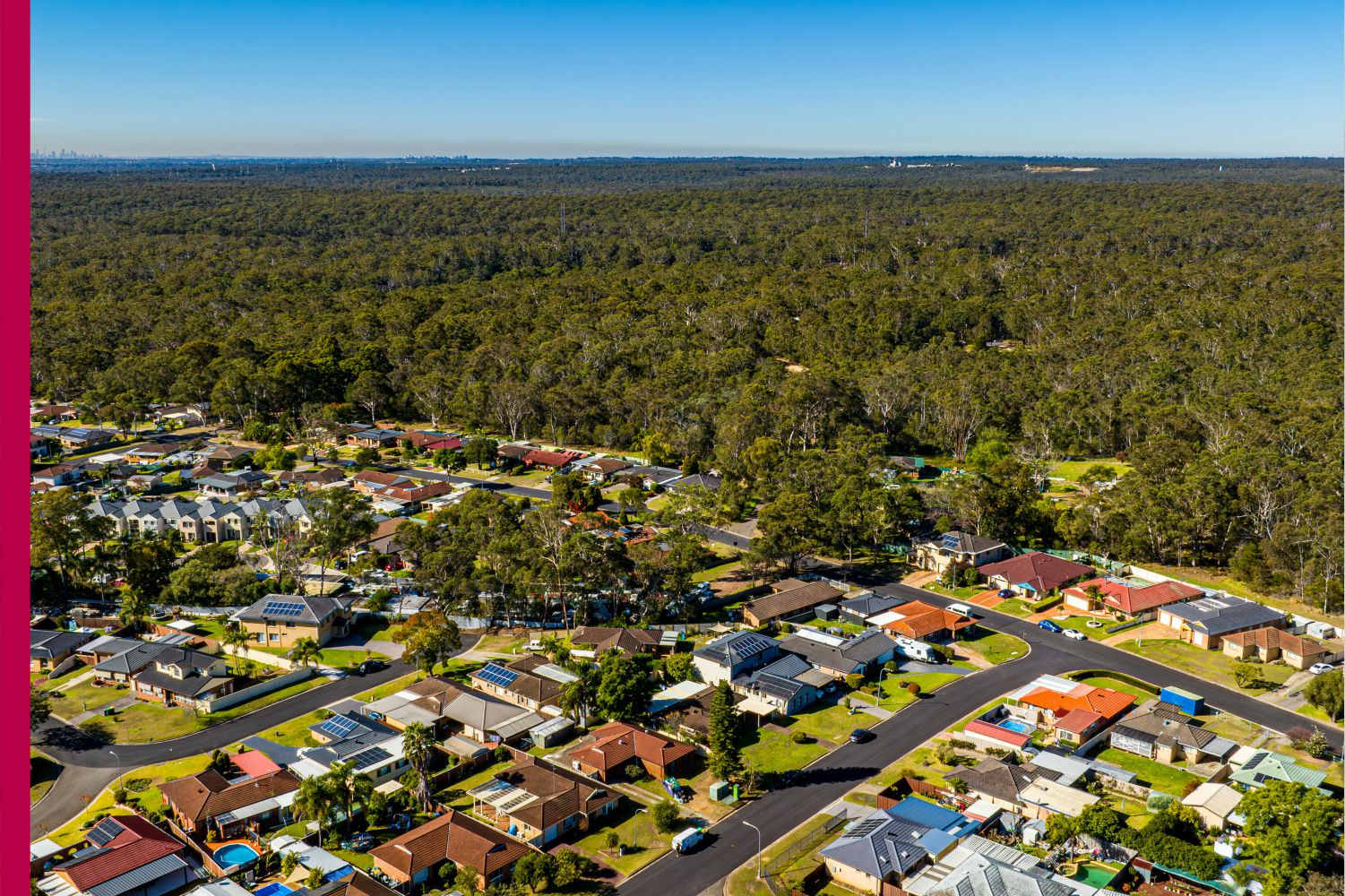
Urbanization is one of the most powerful forces shaping the global economy, significantly influencing the real estate sector. As more people migrate from rural areas to cities in search of better job opportunities, education, and lifestyle, the demand for residential, commercial, and industrial properties continues to rise. This shift is redefining how cities grow and how real estate markets evolve.
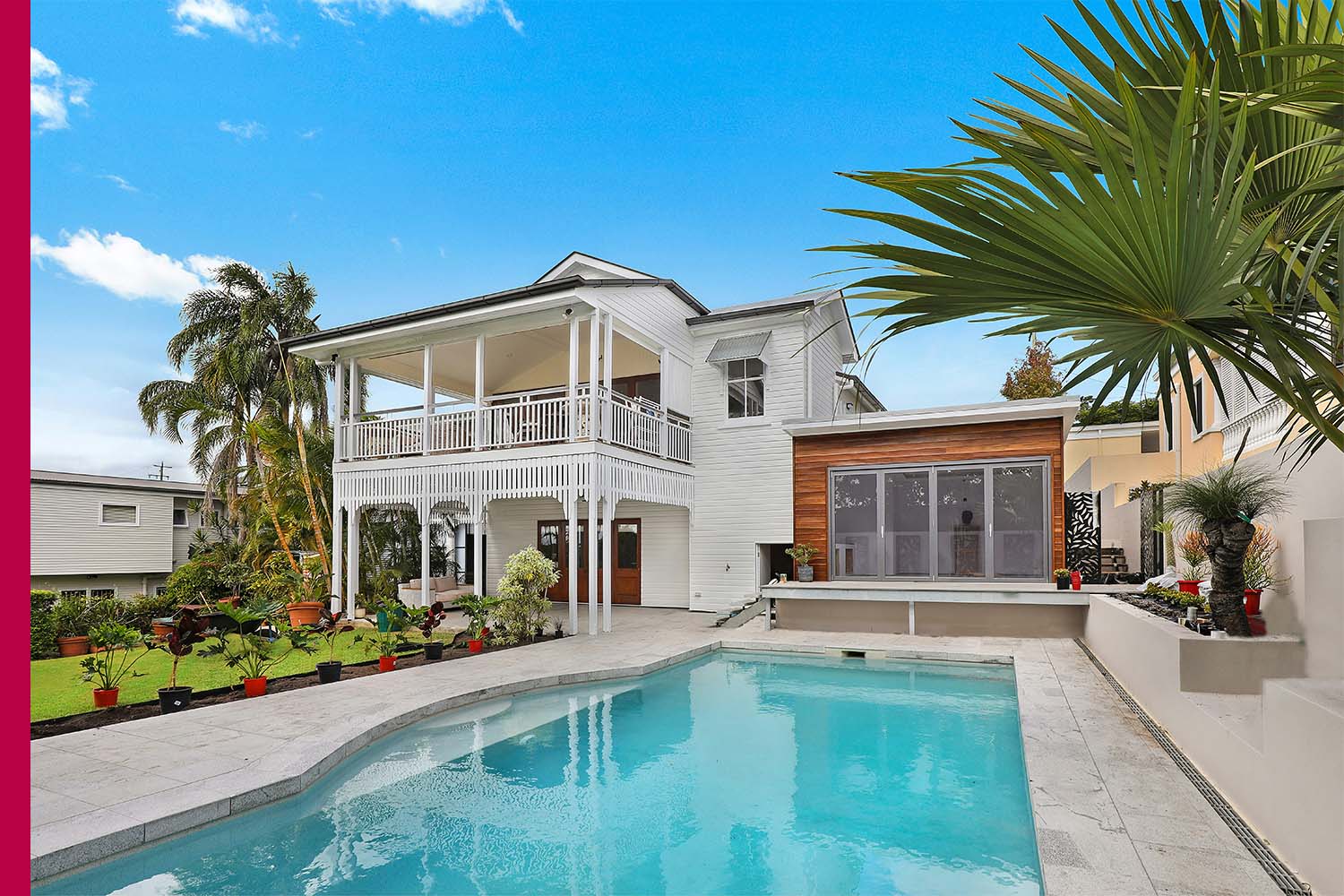
One of the most immediate impacts of urbanization is the surge in housing demand. Growing urban populations require more living spaces, leading to the expansion of residential projects such as apartments, gated communities, and high-rise buildings. In major cities, limited land availability drives property prices upward, making affordability a key concern for middle- and low-income groups. Developers are increasingly focusing on vertical housing solutions to accommodate more people within limited space.
Urbanization also fuels the growth of commercial real estate. As cities expand, businesses seek office spaces, retail outlets, and co-working environments to operate efficiently. The rise of startups and multinational companies has increased demand for modern office infrastructure equipped with advanced amenities. Areas with strong economic activity often experience rapid commercial development, transforming them into business hubs.
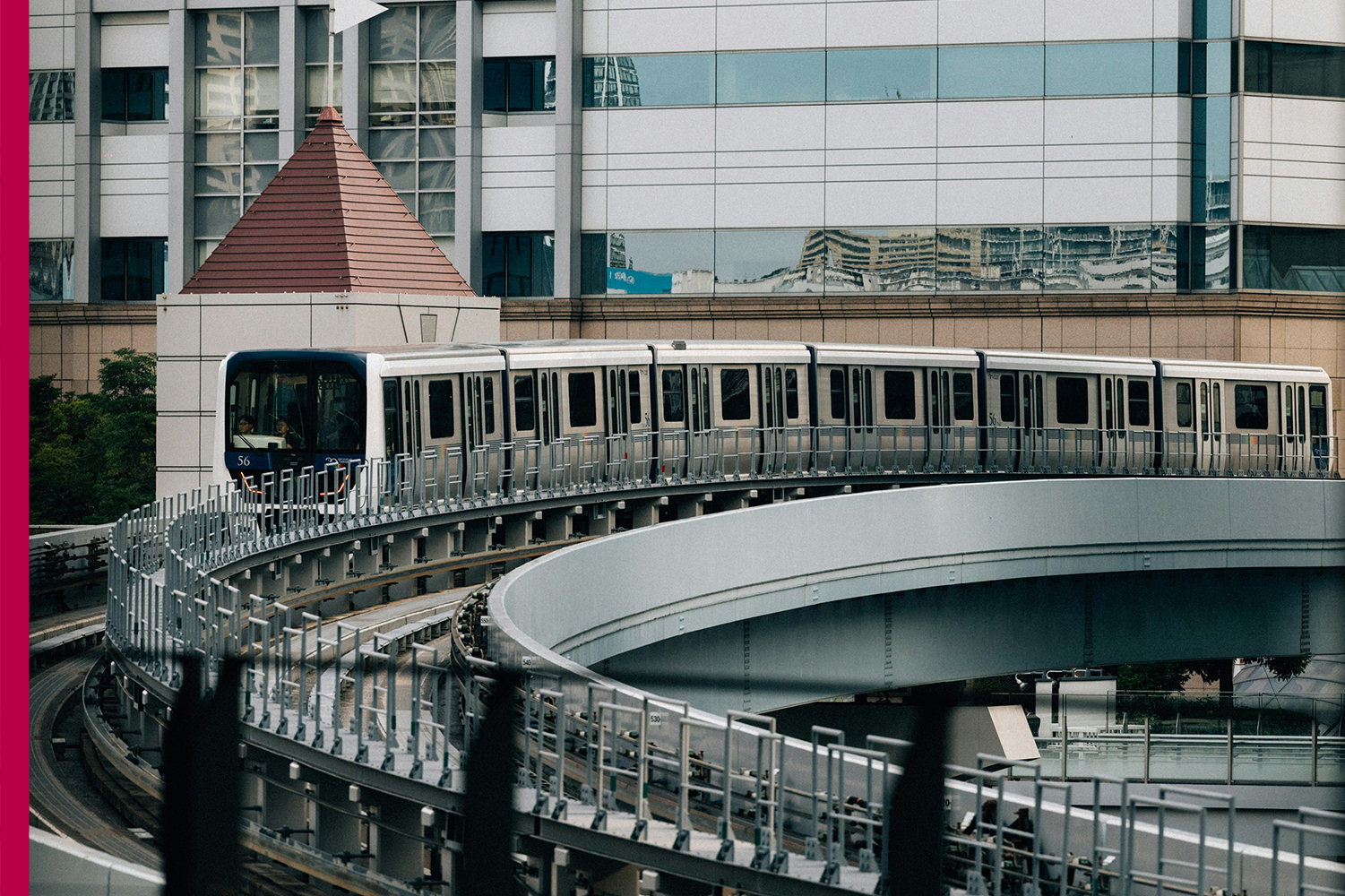
Infrastructure development plays a crucial role in shaping real estate markets. Investments in transportation systems such as Metro Rail, highways, and airports improve connectivity and make certain areas more attractive for property investment. Improved infrastructure often leads to increased property values, as accessibility becomes a key factor for buyers and investors.
Another significant trend is the emergence of smart cities. Governments and urban planners are integrating technology into city development to improve efficiency and quality of life. Smart city initiatives include digital infrastructure, energy-efficient buildings, and sustainable urban planning. These developments create new opportunities in real estate, particularly in areas that prioritize innovation and sustainability.
Urbanization also drives changes in lifestyle preferences, influencing real estate design and demand. Modern urban residents often seek properties with amenities such as security systems, green spaces, fitness centers, and proximity to workplaces and schools. Mixed-use developments, which combine residential, commercial, and recreational spaces, are becoming increasingly popular as they offer convenience and reduce travel time.
However, rapid urbanization also presents challenges for the real estate sector. Overcrowding, traffic congestion, and environmental degradation can negatively impact living conditions. In some cases, unplanned urban growth leads to the development of informal settlements and inadequate infrastructure. Addressing these issues requires effective urban planning and policy implementation.
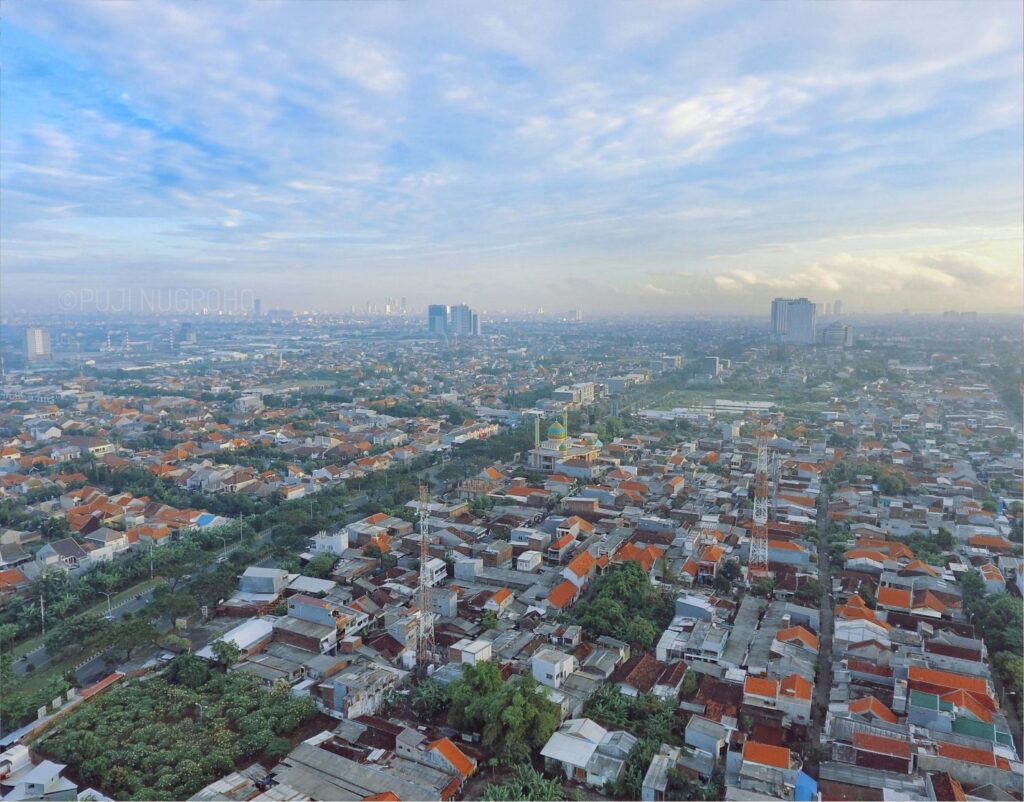
Sustainability has become a key focus in urban real estate development. With increasing awareness of environmental issues, developers are adopting eco-friendly construction practices and energy-efficient designs. The use of Renewable Energy sources, green building materials, and waste management systems helps reduce the environmental impact of real estate projects.
Investment patterns in real estate are also influenced by urbanization. Cities with strong economic growth, infrastructure development, and population expansion attract both domestic and international investors. Real estate is often seen as a stable investment option, offering long-term returns and asset appreciation.
Government policies and regulations play a crucial role in managing the impact of urbanization on real estate. Policies related to land use, zoning, housing affordability, and infrastructure development shape how cities grow and how property markets function. Effective governance is essential to ensure balanced and sustainable urban development.
In conclusion, urbanization has a profound impact on the real estate sector, driving demand, shaping development patterns, and influencing investment trends. While it creates opportunities for growth and innovation, it also presents challenges that require careful planning and sustainable solutions. As cities continue to expand, the real estate industry must adapt to changing needs and focus on creating livable, efficient, and environmentally responsible urban spaces.