


Urban transportation is undergoing a major transformation as cities strive to address congestion, pollution, and the growing demand for mobility. With rapid urbanization and population growth, traditional transportation systems are no longer sufficient to meet modern needs. The future of urban transportation lies in innovation, sustainability, and integration, creating systems that are efficient, accessible, and environmentally friendly.
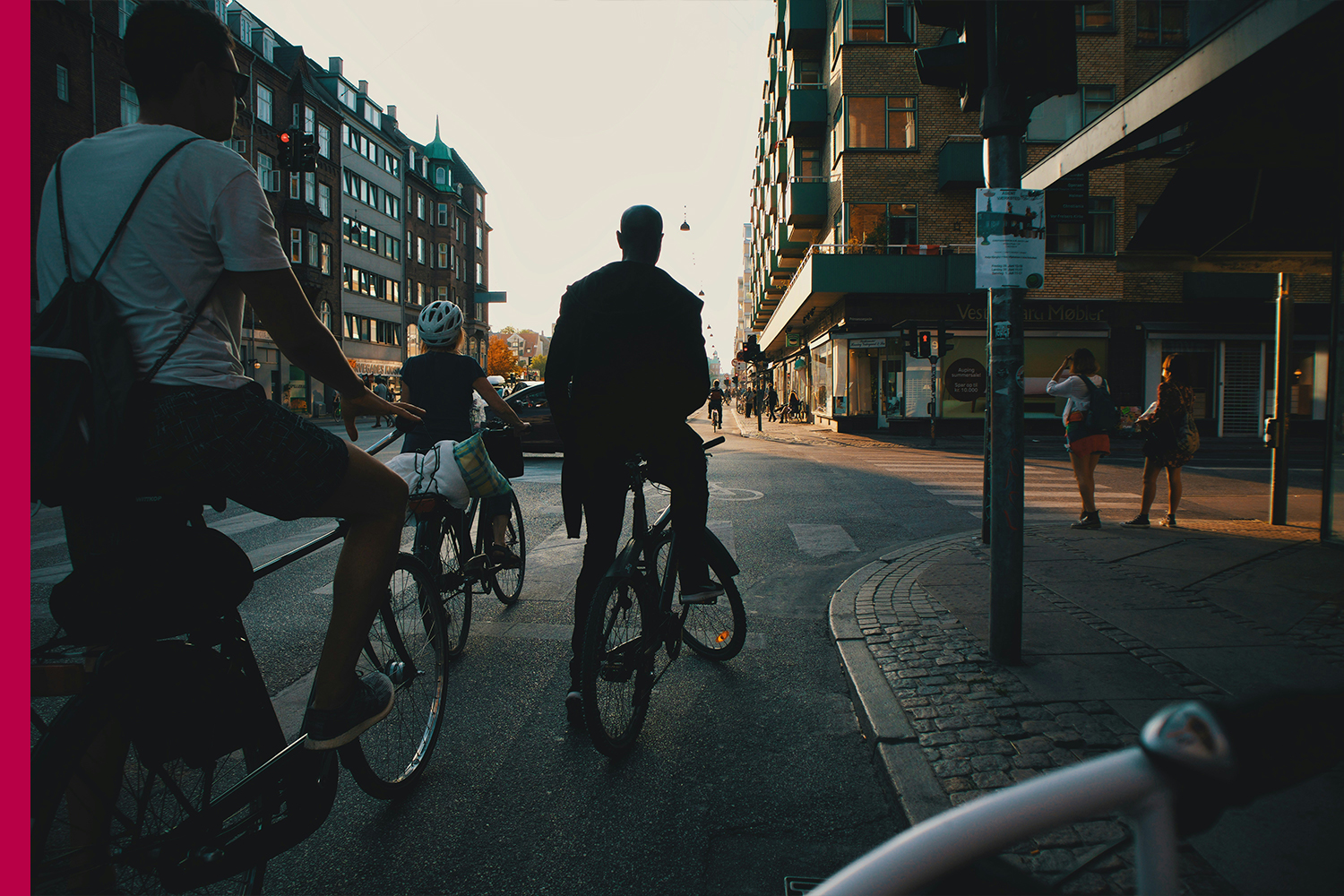
One of the most significant trends shaping the future is the shift toward sustainable mobility solutions. Cities are increasingly promoting electric vehicles, public transit, and non-motorized transport options such as cycling and walking. The adoption of Electric Vehicles is helping reduce greenhouse gas emissions and dependence on fossil fuels. Governments are also investing in charging infrastructure to support the widespread use of electric mobility.
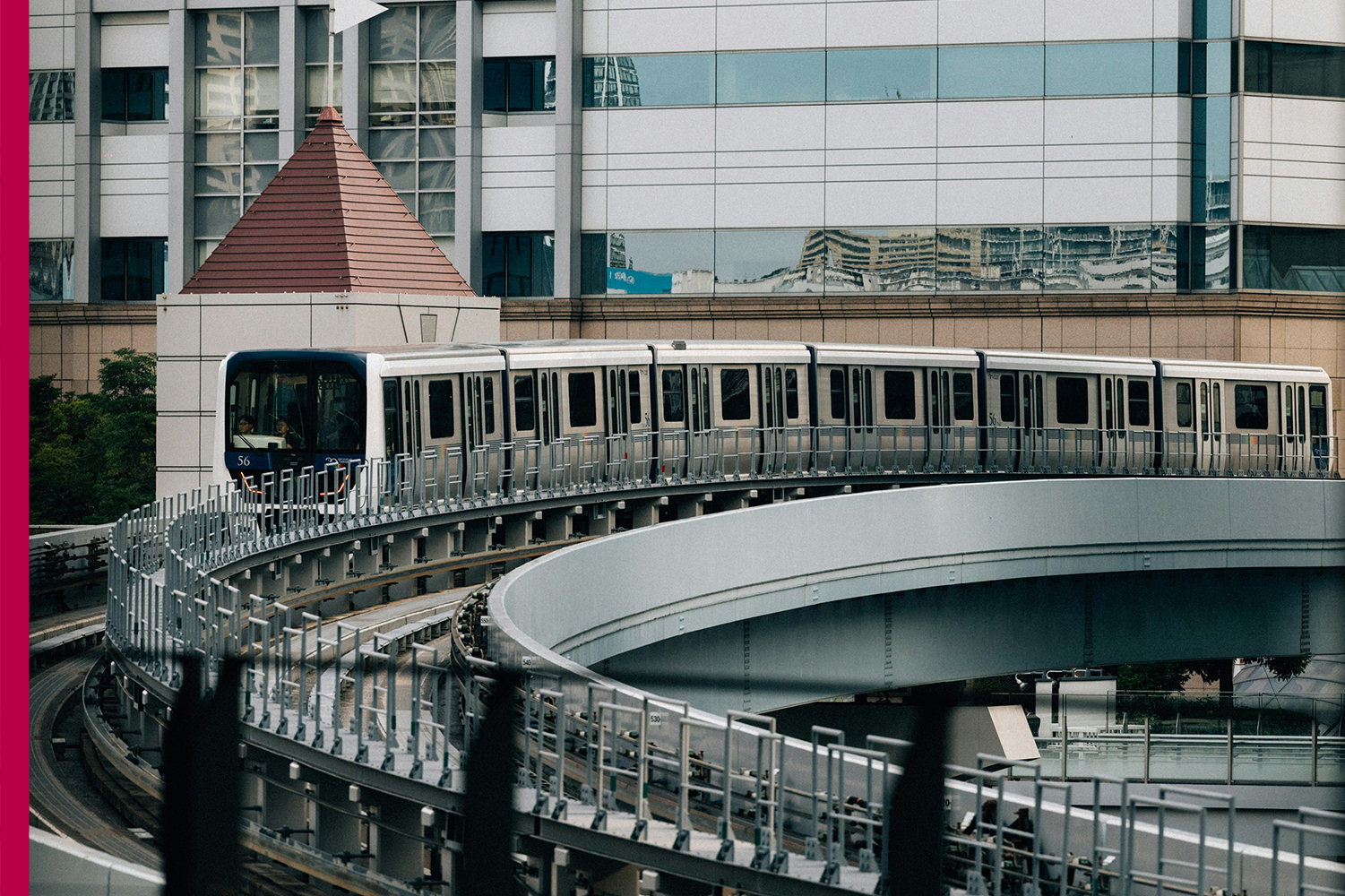
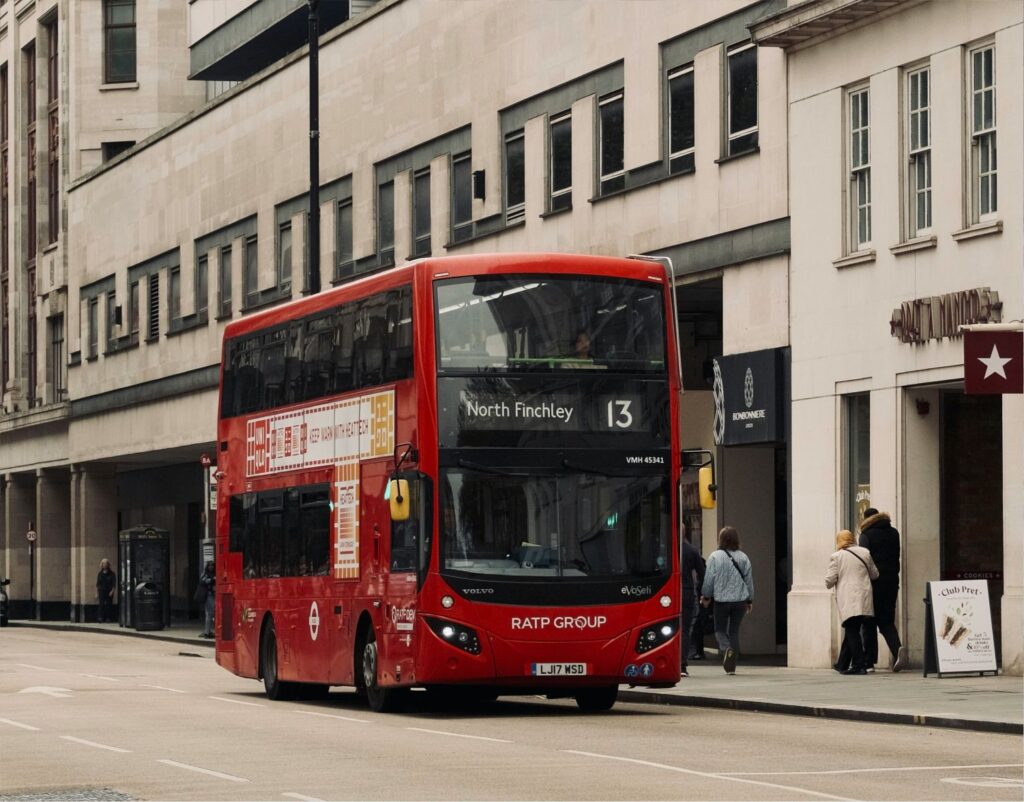
Public transportation systems are evolving to become more efficient and user-friendly. Modern Metro Rail networks, bus rapid transit (BRT) systems, and suburban rail services are being expanded and upgraded to handle increasing passenger volumes. These systems aim to provide reliable, affordable, and fast alternatives to private vehicles, helping reduce traffic congestion in urban areas.
Technology is playing a crucial role in transforming urban mobility. Smart transportation systems use data analytics, sensors, and artificial intelligence to optimize traffic flow and improve efficiency. Real-time tracking, digital ticketing, and mobile apps enable commuters to plan their journeys more effectively. Integrated mobility platforms are also emerging, combining different modes of transport into a single, seamless experience.
The concept of shared mobility is gaining popularity in cities worldwide. Services such as ride-sharing, car-sharing, and bike-sharing are providing flexible and cost-effective transportation options. These services reduce the need for private vehicle ownership and make better use of existing resources. Shared mobility also contributes to reducing traffic congestion and environmental impact.
Another important development is the rise of autonomous vehicles. Self-driving cars and buses have the potential to revolutionize urban transportation by improving safety and efficiency. Autonomous systems can reduce human error, which is a major cause of road accidents. While this technology is still evolving, it is expected to play a significant role in the future of mobility.
Urban planning is also adapting to support modern transportation needs. Cities are designing infrastructure that prioritizes pedestrians and cyclists, creating safer and more accessible environments. Concepts such as transit-oriented development focus on building communities around public transport hubs, reducing travel distances and encouraging the use of sustainable transport options.
Environmental sustainability remains a key focus in the future of urban transportation. Reducing air pollution and carbon emissions is essential for improving urban living conditions. Green initiatives such as electric buses, renewable energy-powered transit systems, and eco-friendly infrastructure are becoming more common. These efforts contribute to cleaner and healthier cities.
However, challenges remain in implementing these advanced transportation solutions. High costs, infrastructure limitations, and regulatory issues can slow down progress. Additionally, ensuring equal access to transportation services for all segments of the population is essential for inclusive urban development.
In conclusion, the future of urban transportation is centered on innovation, sustainability, and integration. By embracing electric mobility, smart technologies, shared services, and improved public transit, cities can create efficient and environmentally friendly transportation systems. As urban areas continue to grow, developing modern mobility solutions will be key to enhancing quality of life and building sustainable cities for the future.