



The manufacturing industry is undergoing a major transformation, driven by innovations in advanced metal processing technologies. Metals have long been the backbone of industrial development, used in everything from construction and transportation to electronics and aerospace. Today, modern processing techniques are enhancing the performance, durability, and efficiency of metal products, enabling industries to meet growing demands and achieve higher standards of quality.
One of the most significant advancements in metal processing is Additive Manufacturing, commonly known as 3D printing. This technology allows manufacturers to build metal components layer by layer using digital designs. Unlike traditional methods that involve cutting or shaping materials, additive manufacturing reduces waste and enables the production of complex geometries that were previously difficult or impossible to achieve. It is widely used in industries such as aerospace and healthcare, where precision and customization are critical.
Another key innovation is Powder Metallurgy, which involves creating components from metal powders. This method allows for high material utilization and precise control over the composition and properties of the final product. Powder metallurgy is especially valuable in producing parts with high strength, wear resistance, and uniform structure, making it suitable for automotive and industrial applications.
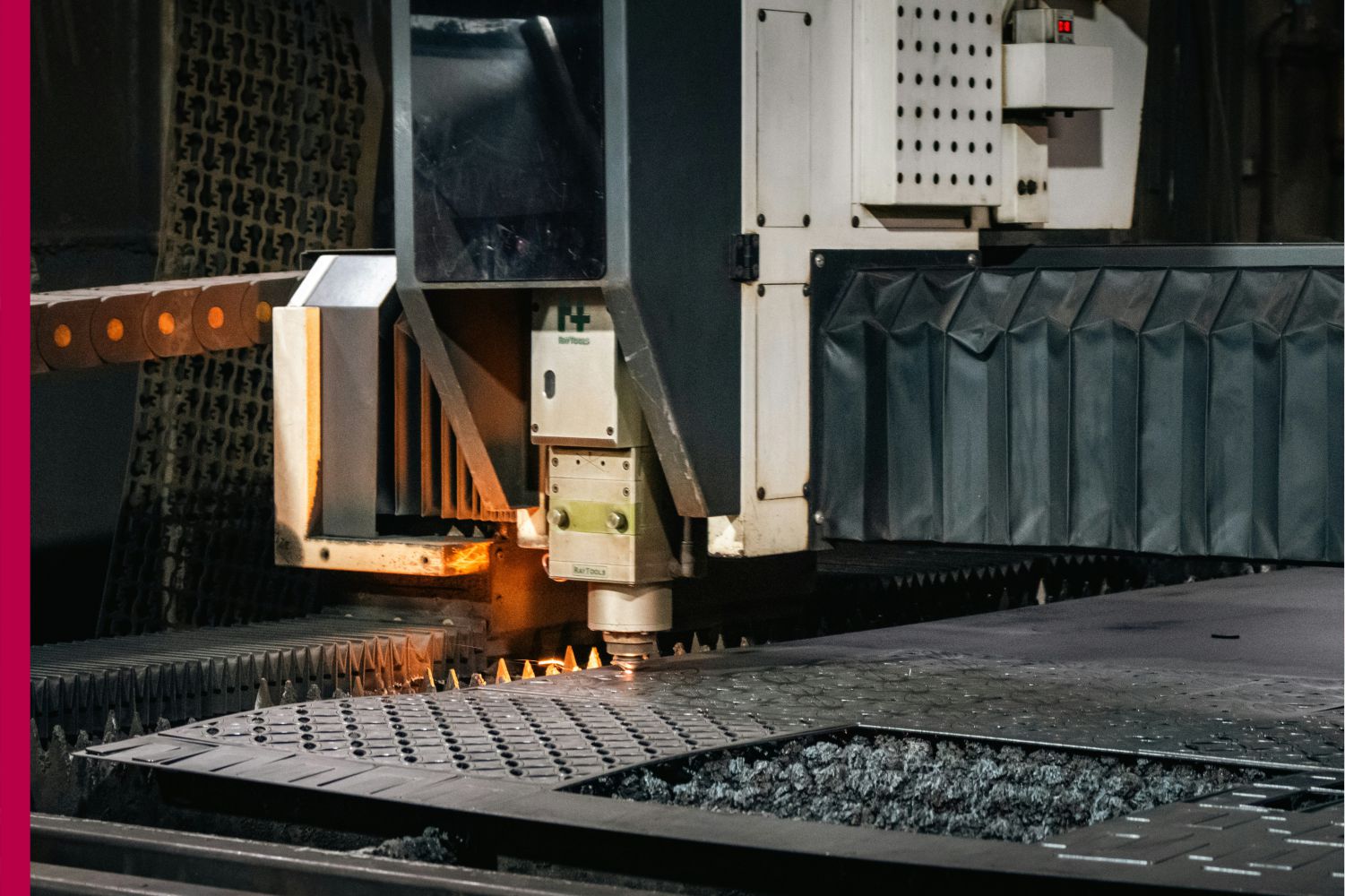
Advanced machining techniques are also playing a crucial role in modern metal processing. Computer Numerical Control (CNC) machining enables precise and automated cutting, drilling, and shaping of metal components. With the integration of smart technologies, CNC machines can achieve high accuracy and consistency, reducing human error and improving productivity. These systems are widely used in manufacturing industries that require tight tolerances and high-quality finishes.
Surface engineering is another important area of advancement. Techniques such as coating, plating, and heat treatment improve the surface properties of metals, enhancing their resistance to corrosion, wear, and extreme temperatures. Advanced surface treatments help extend the lifespan of metal components and reduce maintenance costs, which is particularly important in industries such as energy and transportation.
The use of Smart Materials is also gaining attention in metal processing. These materials can respond to changes in temperature, pressure, or other environmental conditions, making them highly adaptable for specialized applications. Smart materials are being used in sectors such as aerospace, robotics, and medical devices, where performance and reliability are critical.
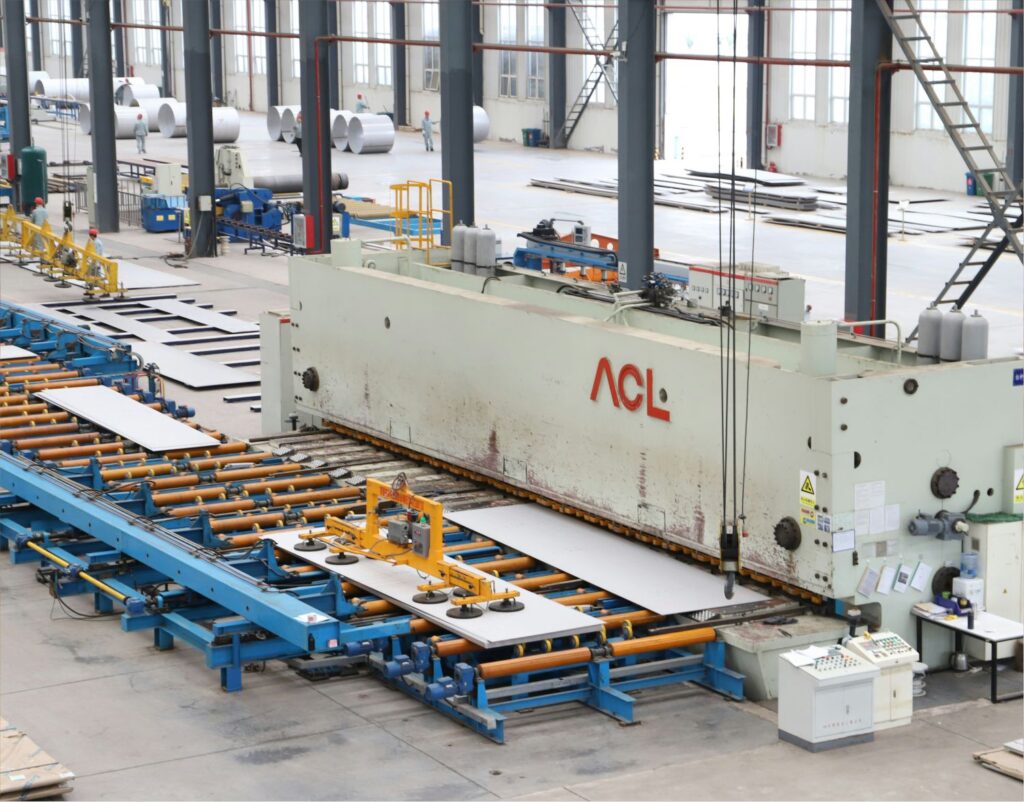
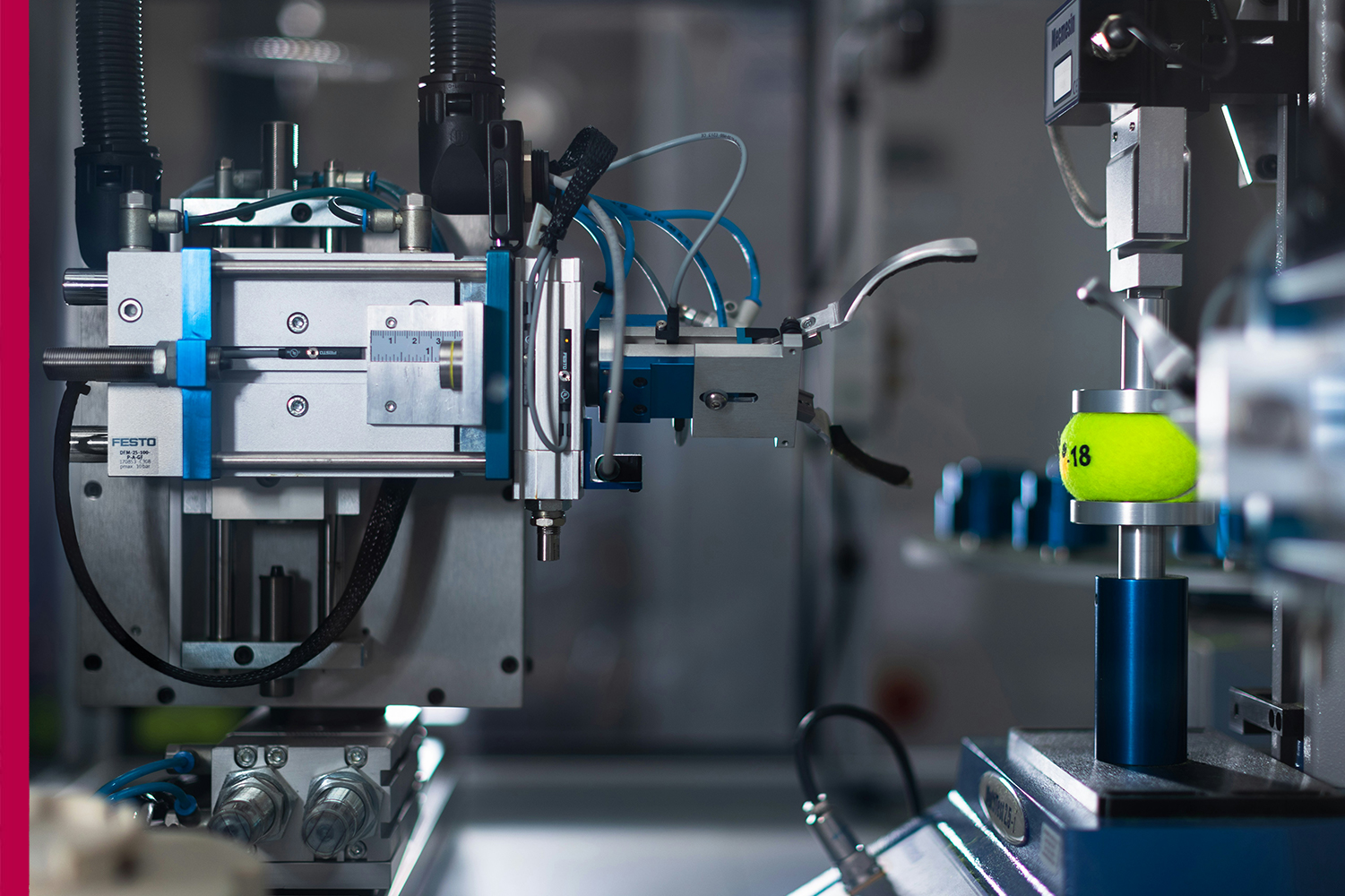
Automation and digitalization are transforming metal processing operations. The adoption of Industry 4.0 technologies, including robotics, sensors, and data analytics, allows manufacturers to monitor and optimize production processes in real time. This leads to improved efficiency, reduced downtime, and better quality control. Smart factories are becoming more common, where interconnected systems work together to streamline operations.
Sustainability is also a key focus in advanced metal processing. Traditional methods often involve high energy consumption and material waste. New technologies aim to reduce environmental impact by improving energy efficiency, minimizing waste, and promoting recycling. For example, metal recycling processes are becoming more efficient, allowing materials to be reused without compromising quality.
Despite these advancements, challenges remain. High initial investment costs, the need for skilled labor, and technological complexity can limit the adoption of advanced processing methods. However, ongoing research and development are addressing these challenges, making technologies more accessible and cost-effective.
In conclusion, advanced metal processing technologies are revolutionizing the manufacturing landscape. From additive manufacturing and powder metallurgy to smart materials and automation, these innovations are improving efficiency, quality, and sustainability. As industries continue to evolve, advanced metal processing will play a vital role in driving industrial growth and shaping the future of modern manufacturing.