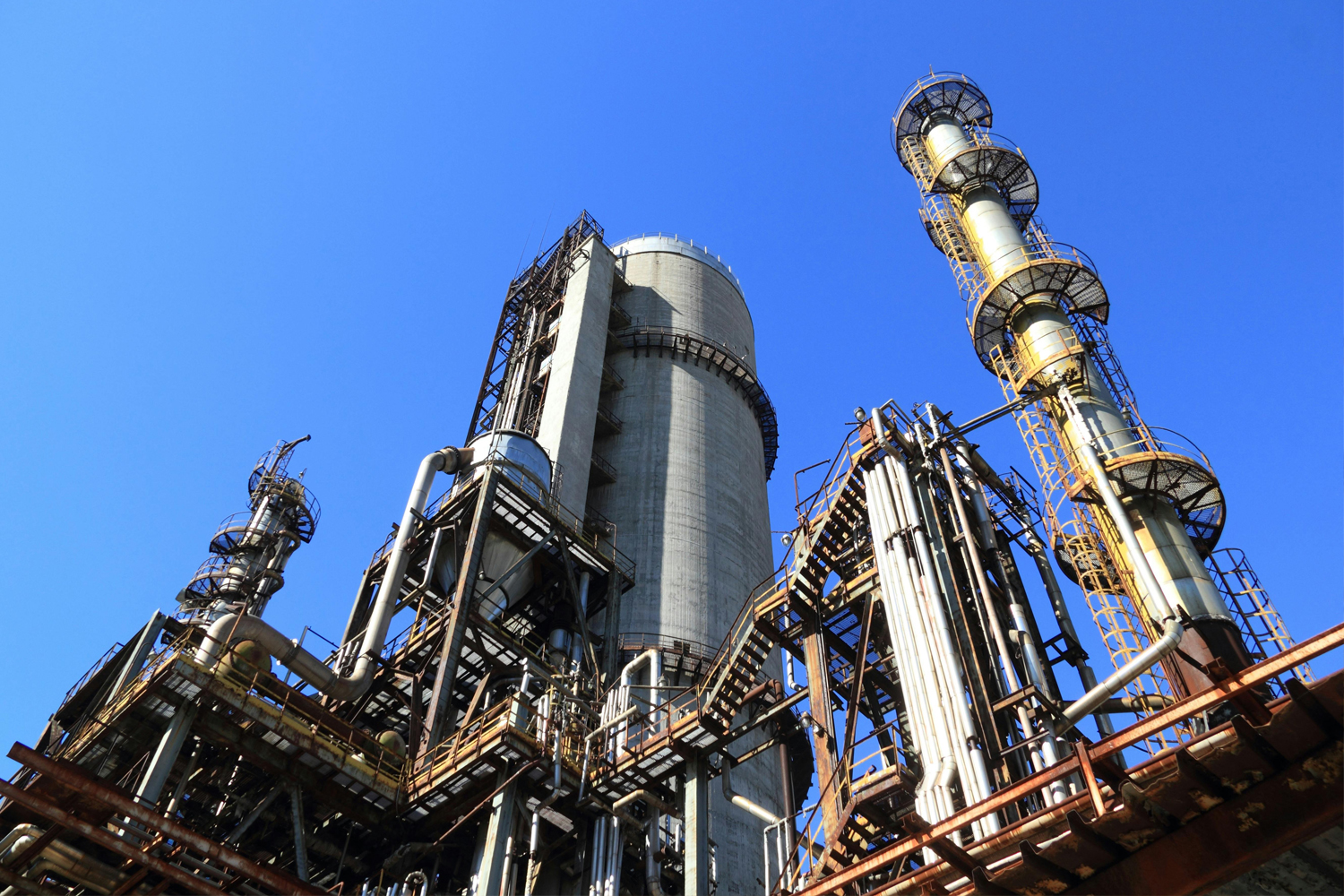





As environmental concerns continue to rise, industries around the world are rethinking how products are designed, produced, and distributed. Traditional manufacturing methods often consume large amounts of energy and resources while generating significant waste and pollution. In response, companies are increasingly adopting Sustainable Manufacturing practices that minimize environmental impact while maintaining efficiency and profitability.
One of the key principles of sustainable manufacturing is resource efficiency. This involves using raw materials, energy, and water more effectively throughout the production process. By optimizing resource usage, manufacturers can reduce waste and lower operational costs. For example, advanced production techniques and process optimization help ensure that fewer materials are wasted during manufacturing.
Energy efficiency is another critical component of sustainable manufacturing. Factories are major consumers of energy, often relying on fossil fuels that contribute to greenhouse gas emissions. Many companies are transitioning to renewable energy sources such as Solar Energy and Wind Energy to reduce their carbon footprint. Energy-efficient machinery and smart energy management systems also help lower energy consumption and improve overall sustainability.
Waste reduction and recycling play a vital role in sustainable production. Manufacturers are increasingly adopting practices that minimize waste generation and promote recycling of materials. This includes reusing by-products, implementing closed-loop systems, and designing products that can be easily recycled at the end of their lifecycle. These efforts align with the concept of a circular economy, where materials are reused and repurposed rather than discarded.
Water conservation is another important aspect of sustainable manufacturing. Many industries require large amounts of water for production processes. Efficient water management systems, such as recycling wastewater and using water-saving technologies, help reduce consumption and prevent environmental contamination. This is particularly important in regions facing water scarcity.
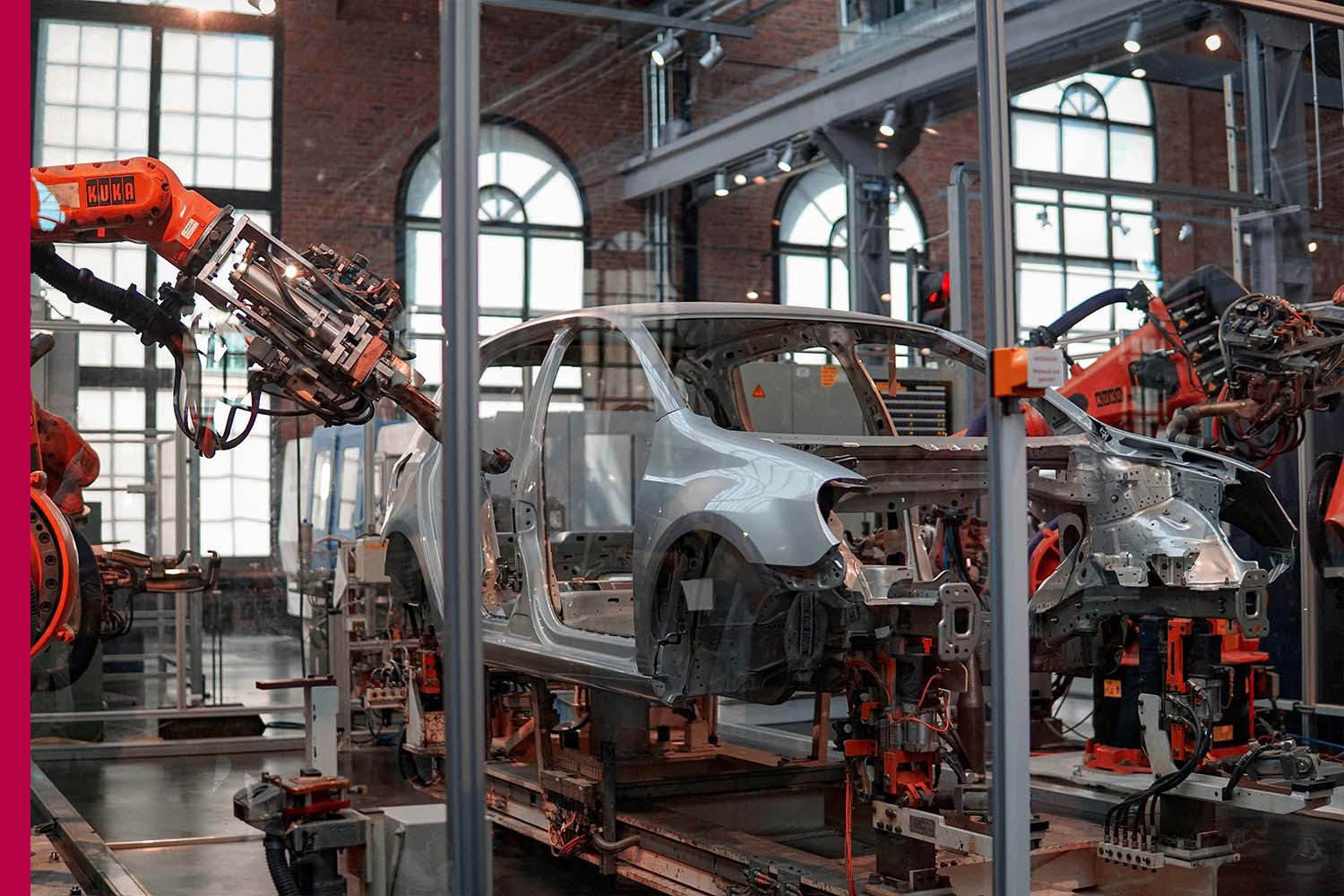
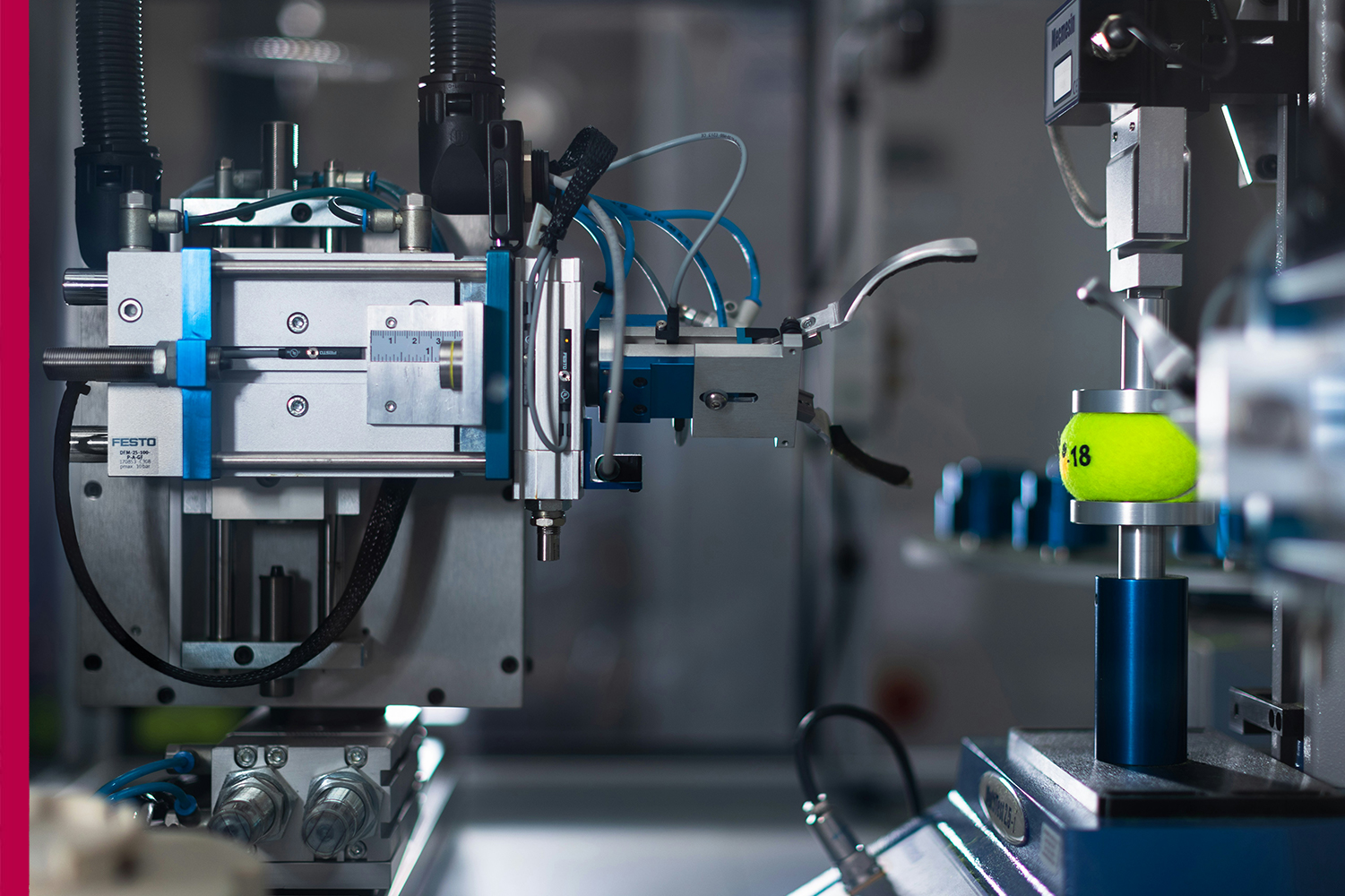
Technology is playing a significant role in enabling sustainable manufacturing practices. Advanced tools such as automation, data analytics, and smart sensors help monitor production processes and identify areas for improvement. By analyzing real-time data, manufacturers can optimize operations, reduce waste, and improve efficiency. These technologies also support predictive maintenance, which helps prevent equipment failures and reduces downtime.
Sustainable product design is another key strategy. Manufacturers are focusing on creating products that are durable, repairable, and environmentally friendly. Using eco-friendly materials and reducing packaging waste are important steps in making products more sustainable. Designing products with their entire lifecycle in mind helps minimize environmental impact from production to disposal.
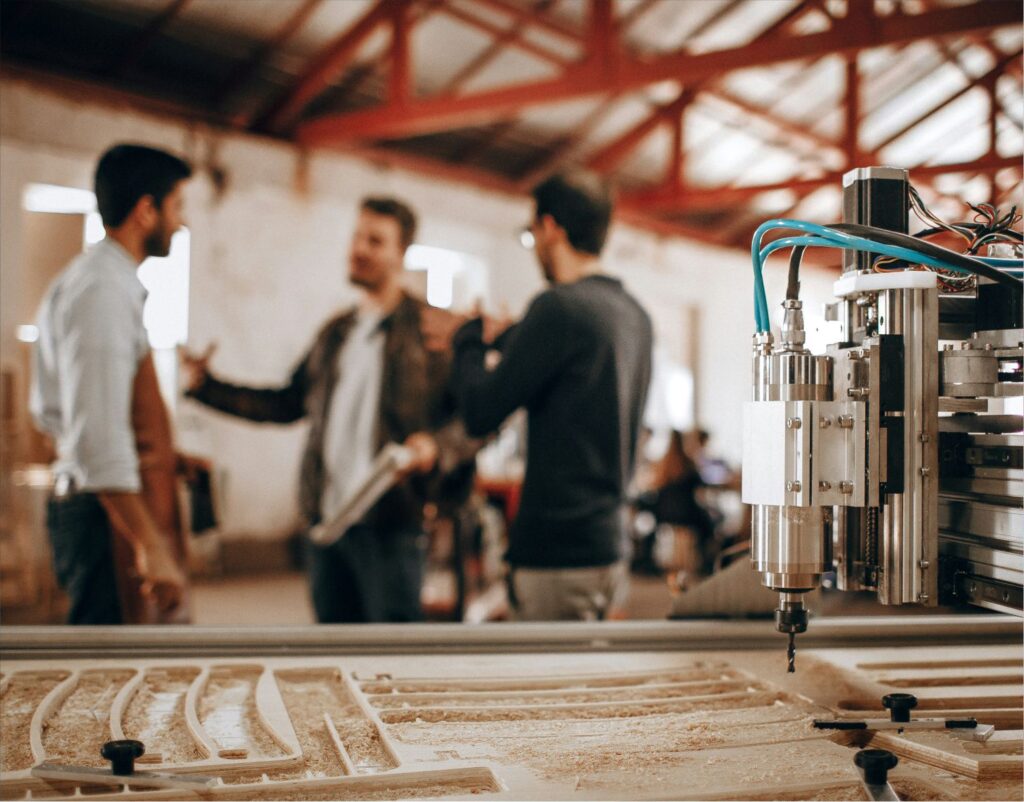
Supply chain sustainability is also gaining importance. Companies are working with suppliers to ensure that raw materials are sourced responsibly and that ethical practices are followed throughout the supply chain. Transparent and sustainable supply chains help build consumer trust and support long-term environmental goals.
Despite its benefits, implementing sustainable manufacturing practices can present challenges. Initial investment costs for new technologies and infrastructure may be high, especially for small and medium-sized enterprises. Additionally, transitioning from traditional methods to sustainable processes requires careful planning and workforce training.
In conclusion, sustainable manufacturing practices are essential for reducing environmental impact and ensuring long-term industrial growth. By improving resource efficiency, adopting renewable energy, reducing waste, and leveraging advanced technologies, manufacturers can create more eco-friendly production systems. As global awareness of sustainability continues to grow, sustainable manufacturing will play a crucial role in building a greener and more responsible industrial future.