



The fashion industry has always evolved alongside cultural and technological changes. In recent years, technology has become a powerful force shaping how clothing is designed, produced, and sold. From smart fabrics to digital design tools, Fashion Technology is transforming the traditional fashion ecosystem and opening new opportunities for creativity, sustainability, and efficiency.
One of the most exciting innovations in fashion technology is the development of smart textiles. These advanced fabrics incorporate electronic components that allow clothing to perform additional functions beyond simple wearability. For example, wearable technology integrated into clothing can track fitness activity, monitor health data, or adjust temperature based on environmental conditions. Companies developing Smart Textiles are creating garments that blend comfort, functionality, and technology.
Digital design tools are also revolutionizing the way fashion designers create new collections. Advanced software allows designers to visualize garments in three dimensions before producing physical samples. Platforms such as CLO 3D enable designers to experiment with fabrics, textures, and patterns digitally. This process significantly reduces the time and cost required for product development while allowing designers to test multiple ideas quickly.
Another important innovation in fashion technology is the use of artificial intelligence in trend forecasting and design. AI systems analyze large amounts of data from social media, online shopping platforms, and consumer behavior to identify emerging fashion trends. These insights help brands predict customer preferences and create products that align with market demand. Data-driven design strategies enable fashion companies to respond faster to changing consumer tastes.
Sustainability is also a major focus of technological innovation in fashion. The industry has traditionally faced criticism for its environmental impact, including waste, water consumption, and pollution. New technologies are helping brands adopt more sustainable practices. For example, digital fabric printing reduces water and chemical usage compared to traditional dyeing methods. Additionally, recycled materials and biodegradable fabrics are becoming more common in clothing production.
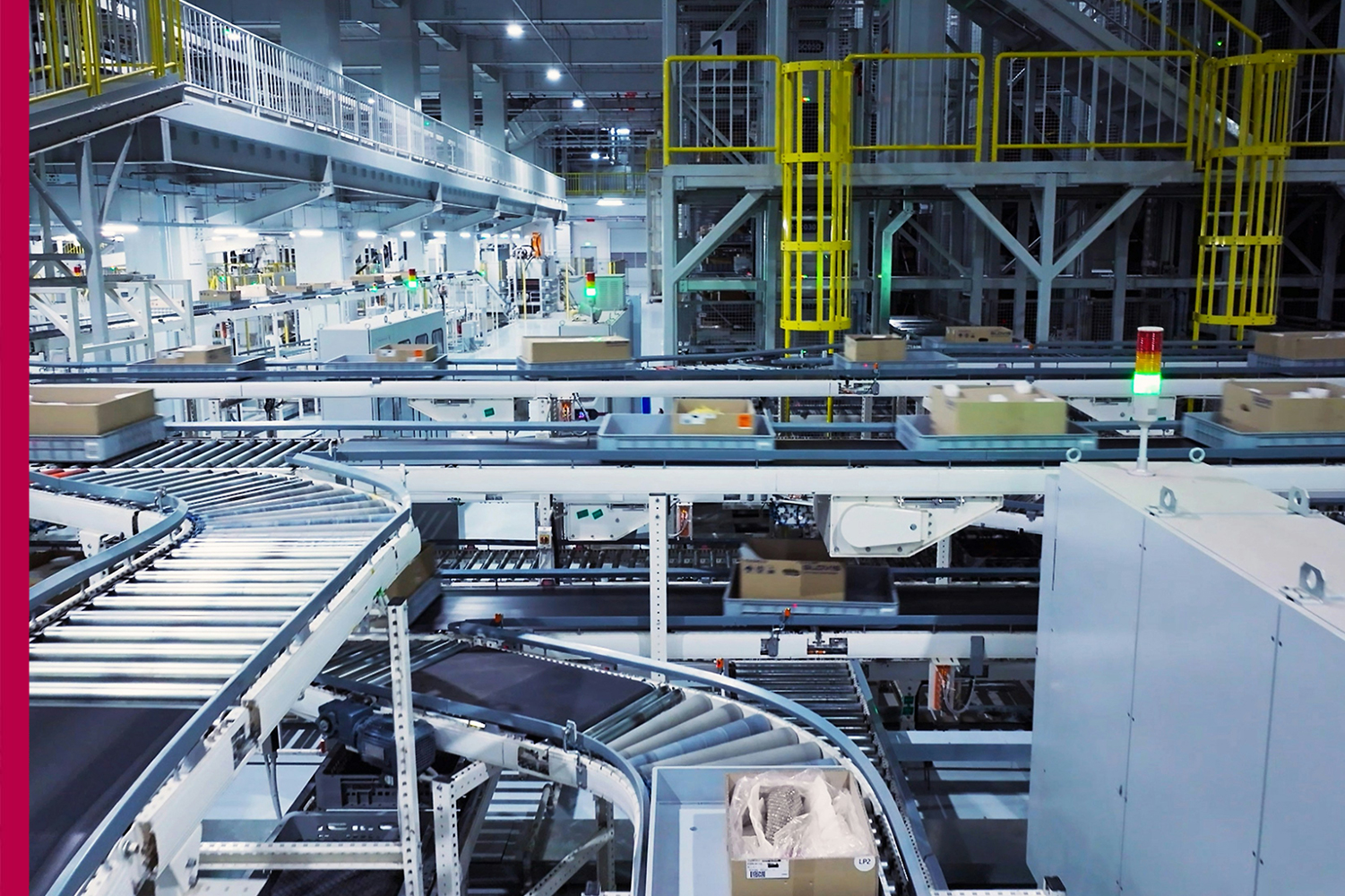
3D printing technology is another emerging trend in fashion innovation. Designers can use 3D printers to create unique accessories, footwear, and even clothing structures. This technology allows for highly customized designs and reduces material waste by producing items with precise measurements. As 3D printing technology improves, it may enable on-demand clothing production, reducing overproduction and inventory waste.

Augmented reality and virtual fitting rooms are also transforming the shopping experience. Customers can now try on clothes virtually using mobile apps or in-store digital mirrors. This technology helps shoppers visualize how garments will look on them without physically trying them on. Virtual fitting solutions reduce return rates in online shopping and improve customer satisfaction.
E-commerce integration has further accelerated fashion technology innovation. Online platforms allow brands to connect directly with global audiences and gather valuable data about customer preferences. Digital marketing tools, social media platforms, and influencer collaborations enable fashion brands to promote their collections more effectively.
Despite its many advantages, fashion technology also faces challenges. Integrating advanced technologies into traditional fashion manufacturing processes can be complex and costly. Additionally, companies must ensure that new technologies remain accessible and practical for designers, manufacturers, and consumers.
In conclusion, fashion technology innovations are reshaping the industry by combining creativity with advanced digital tools. From smart textiles and AI-powered design to sustainable production methods and virtual shopping experiences, technology is transforming how fashion is created and consumed. As innovation continues, the fashion industry will become more efficient, sustainable, and responsive to consumer needs, paving the way for a more dynamic future of style and design.