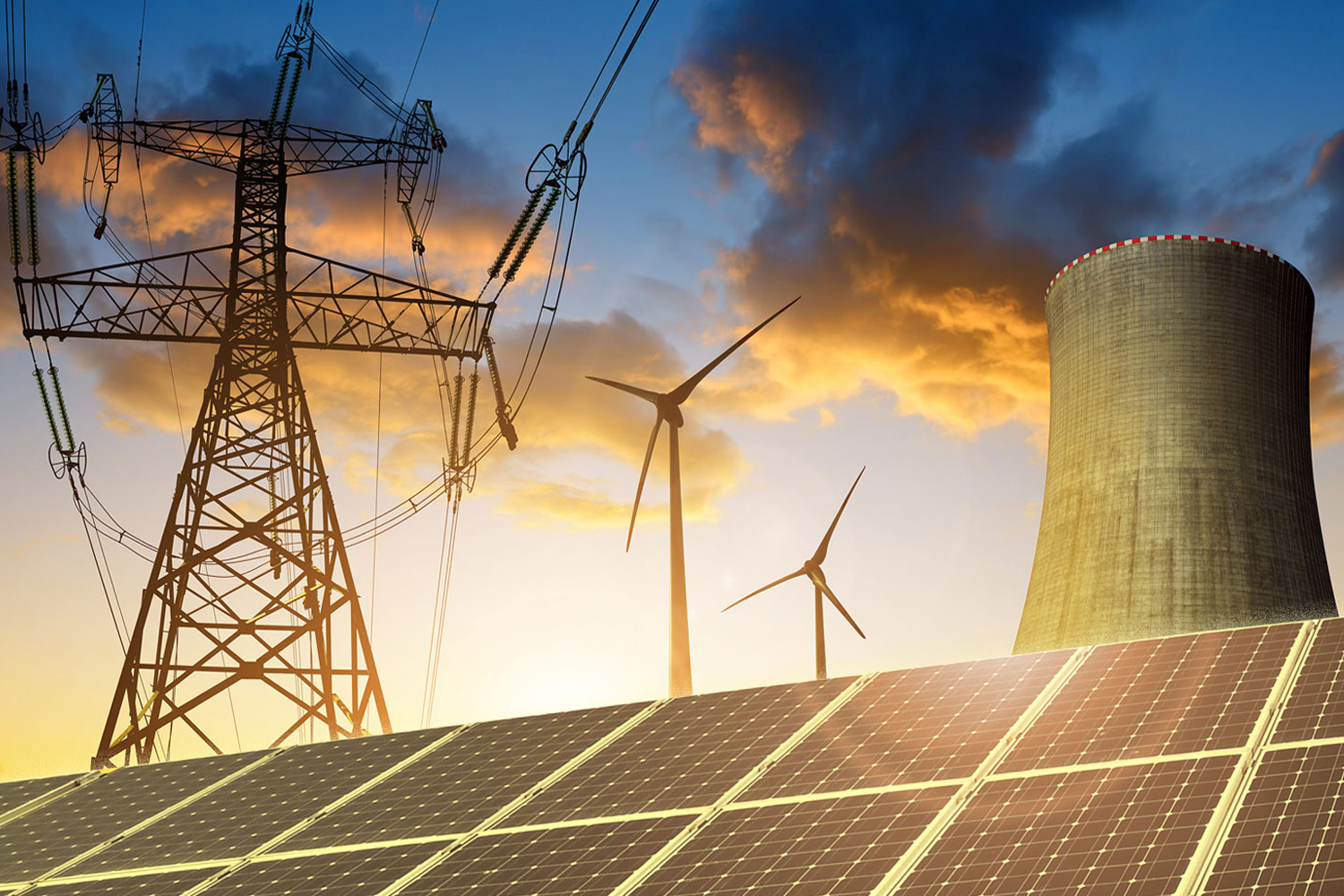




As the world faces increasing environmental challenges, the transition toward cleaner and more sustainable energy sources has become a global priority. Governments, businesses, and communities are actively exploring strategies to reduce dependence on fossil fuels and shift toward environmentally friendly energy systems. The concept of Clean Energy Transition focuses on transforming how energy is produced, distributed, and consumed in order to reduce carbon emissions and protect the environment.
One of the most important strategies for achieving a clean energy transition is expanding renewable energy generation. Renewable energy sources such as Solar Energy and Wind Energy provide electricity without releasing harmful greenhouse gases. Over the past decade, technological advancements have significantly reduced the cost of solar panels and wind turbines, making renewable energy more accessible and competitive with traditional fossil fuels.
Investing in modern energy infrastructure is another key strategy. Power grids in many countries were originally designed to support centralized fossil fuel power plants. However, renewable energy sources often generate electricity in distributed locations, such as solar farms or rooftop installations. Upgrading grid infrastructure helps integrate renewable power more effectively and ensures stable electricity supply even when energy production varies due to weather conditions.
Energy storage technologies are also essential for a successful clean energy transition. Renewable energy sources like solar and wind are intermittent, meaning they do not produce power continuously. Energy storage systems, such as batteries, store excess electricity generated during peak production times and release it when demand increases. These systems help maintain grid reliability and improve the overall efficiency of renewable energy systems.
Energy efficiency improvements represent another important strategy. Reducing overall energy consumption allows societies to lower emissions while meeting energy needs more sustainably. Energy-efficient buildings, appliances, and industrial processes help minimize waste and reduce the demand for electricity. Governments often encourage energy efficiency through building standards, incentive programs, and public awareness campaigns.
Transportation is another sector undergoing significant transformation in the clean energy transition. Electric vehicles powered by renewable electricity are gradually replacing traditional gasoline and diesel vehicles. Charging infrastructure and battery technology improvements are making electric mobility more practical and widely adopted. This shift helps reduce air pollution and carbon emissions from transportation.

Government policies and financial incentives play a major role in accelerating clean energy adoption. Many countries provide subsidies, tax incentives, and funding programs to encourage renewable energy projects and clean technology development. Carbon pricing systems and emission regulations also encourage industries to adopt cleaner energy alternatives and reduce environmental impact.
Private sector investment and innovation are equally important. Energy companies, technology firms, and startups are developing advanced solutions such as smart grids, hydrogen fuel technologies, and carbon capture systems. These innovations contribute to the long-term sustainability of the global energy system and open new opportunities for economic growth.
Public awareness and community engagement are also essential components of a successful clean energy transition. When individuals understand the benefits of renewable energy and sustainable practices, they are more likely to support environmental policies and adopt energy-efficient habits in their daily lives.
In conclusion, clean energy transition strategies focus on expanding renewable energy, improving energy efficiency, modernizing infrastructure, and encouraging technological innovation. By combining policy support, private investment, and public participation, societies can move toward a more sustainable energy future. A successful transition not only protects the environment but also promotes economic growth, energy security, and a healthier planet for future generations.