




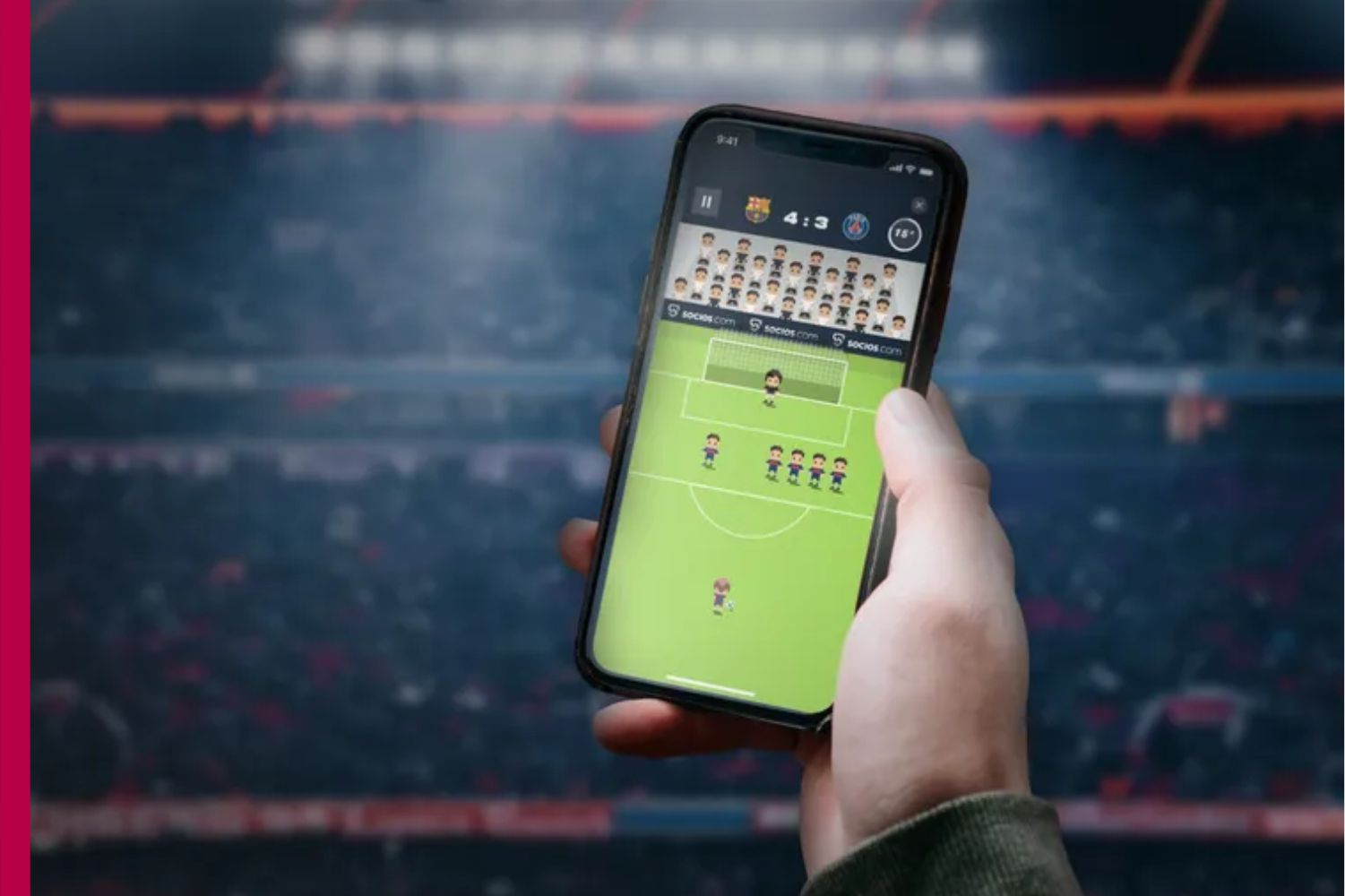
In today’s connected world, digital technology has transformed how fans interact with their favorite sports teams, celebrities, and entertainment brands. The concept of Digital Fan Engagement refers to the use of digital platforms and technologies to create meaningful connections between fans and the organizations they support. Through social media, live streaming, mobile apps, and interactive content, fans can now participate in experiences that go far beyond traditional viewing.
One of the most powerful drivers of digital fan engagement is social media. Platforms such as Instagram, X, and TikTok allow fans to follow real-time updates, behind-the-scenes content, and exclusive announcements from their favorite teams and personalities. These platforms also enable fans to comment, share opinions, and participate in discussions, creating a two-way communication channel between fans and brands.
Another major element of digital fan engagement is live streaming and digital broadcasting. Sports leagues, music artists, and entertainment companies now stream live events online, allowing fans from across the world to participate in real time. Live chats, polls, and interactive features make viewers feel like active participants rather than passive spectators. This digital interaction strengthens fan loyalty and builds stronger communities around events and brands.
Mobile applications have also become essential tools for fan engagement. Many sports teams and entertainment organizations have developed dedicated apps that provide schedules, exclusive videos, merchandise stores, and loyalty rewards. Fans can access personalized content, receive instant notifications, and even participate in fan voting or prediction games. These features create a more immersive and personalized experience for users.
Gamification is another trend shaping digital fan engagement. Organizations are increasingly using quizzes, challenges, fantasy leagues, and reward-based activities to encourage participation. For example, fantasy sports platforms allow fans to create virtual teams and compete based on real-world player performance. This interactive format deepens fan interest in games and events while keeping audiences engaged throughout an entire season.

Augmented reality and virtual reality technologies are also starting to influence fan experiences. These tools allow fans to explore virtual stadiums, interact with digital merchandise, or experience immersive highlights from their homes. As technology advances, these innovations are expected to create even more engaging and personalized fan experiences.
Data analytics plays an important role in digital fan engagement as well. By analyzing user behavior, preferences, and interactions, organizations can understand what fans enjoy the most. This information helps them create targeted content, personalized marketing campaigns, and better digital experiences that keep fans coming back.
Despite its many benefits, digital fan engagement also requires careful management. Organizations must ensure that online communities remain respectful and that fan data is protected from misuse. Maintaining authenticity and transparency is essential to building trust with audiences.
In conclusion, digital fan engagement is reshaping how fans connect with sports teams, entertainment brands, and public figures. By using social media, mobile apps, live streaming, and emerging technologies, organizations can create deeper and more interactive relationships with their audiences. As digital innovation continues to evolve, fan engagement will become even more immersive, helping brands build stronger and more loyal global communities.