




In a world where natural resources are being used at an unprecedented rate, the need for sustainable practices has never been more urgent. One of the most effective solutions is metal recycling, a key component of the Circular Economy. By reusing and repurposing metals instead of discarding them as waste, societies can reduce environmental damage, conserve resources, and create a more sustainable economic system.
Metal recycling involves collecting, processing, and re-manufacturing metal materials so they can be used again. Metals such as Aluminum, Copper, and Steel are among the most commonly recycled materials in the world. Unlike many other materials, metals can often be recycled repeatedly without losing their quality or strength. This makes them extremely valuable in a circular economy where the goal is to keep materials in use for as long as possible.
The circular economy model contrasts with the traditional “take, make, dispose” system. In a linear economy, raw materials are extracted from the earth, manufactured into products, and eventually thrown away. This process consumes large amounts of energy and resources while producing significant waste. In contrast, a circular economy focuses on reducing waste by repairing, reusing, and recycling products and materials. Metal recycling plays a major role in this approach because metals can be melted down and reshaped into new products again and again.
One of the biggest advantages of metal recycling is energy savings. Producing metal from raw ore requires large amounts of energy, mining activity, and transportation. Recycling metal, however, uses significantly less energy. For example, recycling aluminum can save up to 95 percent of the energy required to produce it from raw bauxite ore. This reduction in energy use helps lower greenhouse gas emissions and supports efforts to combat climate change.

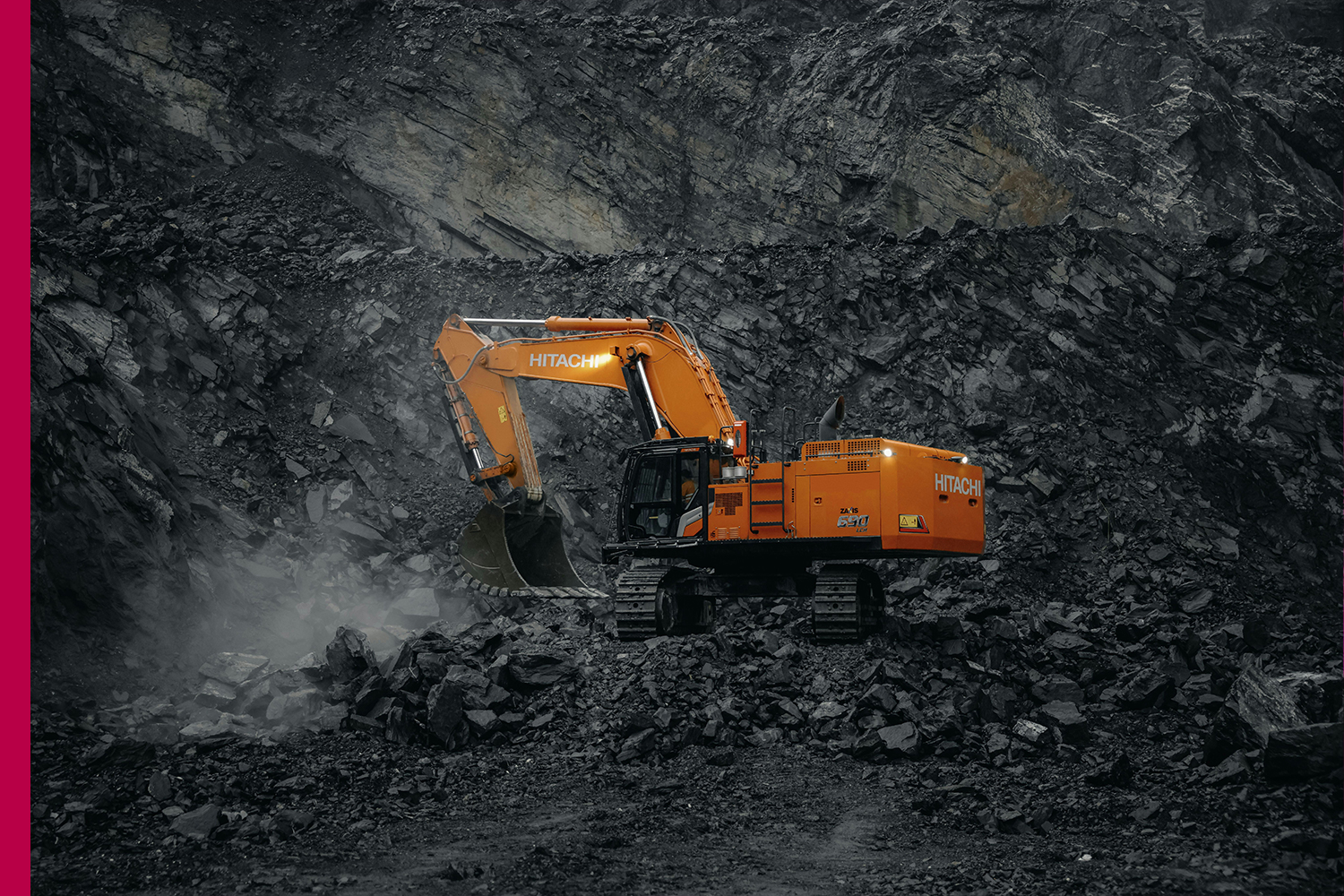
Another benefit is the reduction of environmental damage caused by mining. Extracting metals from the earth often involves deforestation, soil erosion, and water pollution. By increasing the recycling rate of metals, the demand for new mining operations can be reduced. This helps protect ecosystems and biodiversity while preserving natural landscapes.
Metal recycling also contributes to economic growth and job creation. Recycling facilities, scrap collection systems, and metal processing plants require skilled workers and advanced technology. As countries invest more in sustainable industries, recycling sectors are expanding and creating new employment opportunities. At the same time, manufacturers benefit from a steady supply of recycled materials that are often more affordable than newly mined resources.
Consumers and businesses both play an important role in supporting metal recycling. Properly separating recyclable materials, recycling electronic waste, and choosing products made from recycled metals all contribute to a more efficient circular economy. Governments and organizations also encourage recycling through regulations, incentives, and awareness campaigns.
In conclusion, metal recycling is a vital pillar of the circular economy and a powerful tool for building a more sustainable future. By conserving resources, saving energy, and reducing environmental harm, recycling metals supports both economic development and environmental protection. As awareness grows and recycling technologies continue to improve, metal recycling will remain essential in creating a cleaner and more resource-efficient world.