









As the world confronts climate change, resource depletion, and environmental degradation, technology is playing a critical role in driving sustainable transformation. Sustainable technology innovations focus on developing solutions that reduce environmental impact, improve energy efficiency, and promote responsible consumption while supporting economic growth. From renewable energy systems to smart infrastructure and green manufacturing, technological advancements are shaping a more resilient and eco-friendly future.
One of the most impactful areas of sustainable innovation is renewable energy technology. Solar, wind, and hydropower systems have become increasingly efficient and affordable, reducing reliance on fossil fuels. Companies such as Tesla have accelerated the adoption of solar panels and battery storage solutions, enabling households and businesses to generate and store clean energy. Innovations in energy storage, including advanced lithium-ion and solid-state batteries, are helping stabilize renewable energy supply and improve grid reliability.
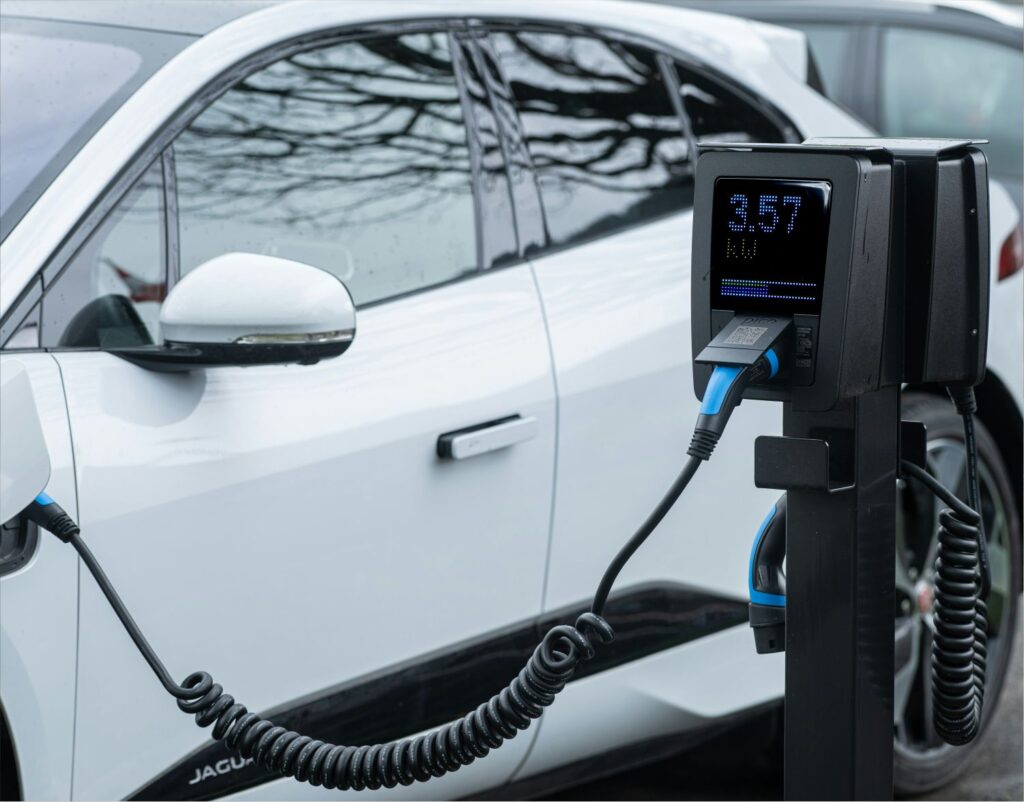
Another major development is the rise of electric mobility. Electric vehicles (EVs) are transforming the transportation sector by reducing greenhouse gas emissions and air pollution. Automakers worldwide are investing heavily in EV production and charging infrastructure. Governments are also supporting this shift through incentives and policy reforms. The transition to electric mobility not only reduces carbon footprints but also encourages advancements in battery recycling and sustainable material sourcing.
Smart technology is also enhancing sustainability in urban environments. Smart grids, intelligent traffic systems, and energy-efficient buildings use real-time data to optimize resource usage. For example, Internet of Things (IoT) devices can monitor energy consumption in buildings and automatically adjust lighting, heating, and cooling systems to minimize waste. Organizations such as the International Energy Agency highlight digitalization as a key enabler in achieving global energy efficiency goals.
Sustainable agriculture is another area benefiting from technological innovation. Precision farming techniques use sensors, drones, and data analytics to monitor soil health, optimize irrigation, and reduce fertilizer usage. These technologies improve crop yields while conserving water and minimizing environmental impact. By integrating artificial intelligence and satellite monitoring, farmers can make informed decisions that enhance productivity without overexploiting natural resources.
Circular economy technologies are further supporting sustainability. Innovations in recycling processes, biodegradable materials, and waste-to-energy systems help reduce landfill waste and extend the lifecycle of products. Companies are designing products with modular components that can be repaired or upgraded, promoting responsible consumption patterns.
Despite these advancements, sustainable technology adoption faces challenges. High initial investment costs, infrastructure limitations, and regulatory complexities can slow implementation. Additionally, ensuring equitable access to sustainable technologies remains crucial to avoid widening economic disparities.
Collaboration among governments, businesses, research institutions, and communities is essential to accelerate progress. Public-private partnerships and international cooperation can foster innovation and scale sustainable solutions globally.
In conclusion, sustainable technology innovations are redefining how societies address environmental challenges. By advancing renewable energy, electric mobility, smart infrastructure, sustainable agriculture, and circular systems, technology is driving meaningful change toward a low-carbon future. As innovation continues to evolve, sustainable technologies will play an increasingly vital role in building a cleaner, smarter, and more sustainable world for generations to come.