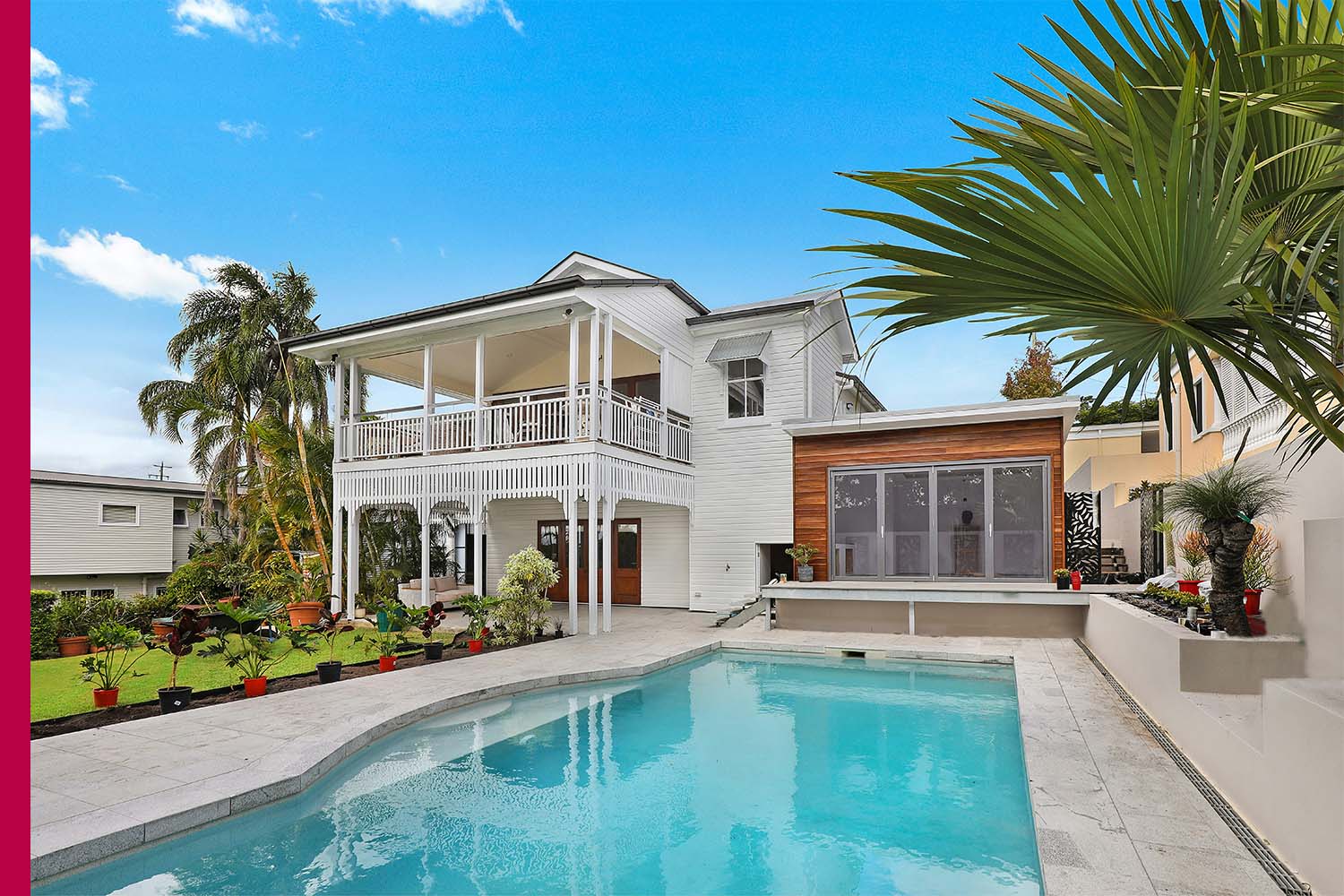



The real estate sector plays a significant role in shaping urban landscapes and influencing environmental impact. From residential complexes and commercial towers to mixed-use developments, buildings account for a substantial share of global energy consumption and carbon emissions. As climate change and resource scarcity become pressing concerns, sustainable real estate development has emerged as a strategic approach to create environmentally responsible, economically viable, and socially inclusive spaces.
Sustainable real estate development focuses on minimizing environmental impact throughout a building’s lifecycle right from design and construction to operation and maintenance. One of the core principles is energy efficiency. Developers are increasingly incorporating energy-efficient lighting systems, high-performance insulation, smart HVAC systems, and renewable energy solutions such as rooftop solar panels. These measures reduce energy consumption and lower long-term operational costs while decreasing carbon footprints.
Green building certifications have become benchmarks for sustainable development. Programs such as Leadership in Energy and Environmental Design (LEED) provide guidelines for environmentally responsible construction practices. Buildings that achieve such certifications demonstrate compliance with standards related to energy use, water efficiency, indoor environmental quality, and sustainable materials. These certifications enhance property value and attract environmentally conscious investors and tenants.
Water conservation is another vital element of sustainable real estate. Modern developments integrate rainwater harvesting systems, water-efficient plumbing fixtures, and wastewater recycling technologies. These initiatives significantly reduce freshwater demand and promote responsible water management, particularly in urban areas facing water scarcity.
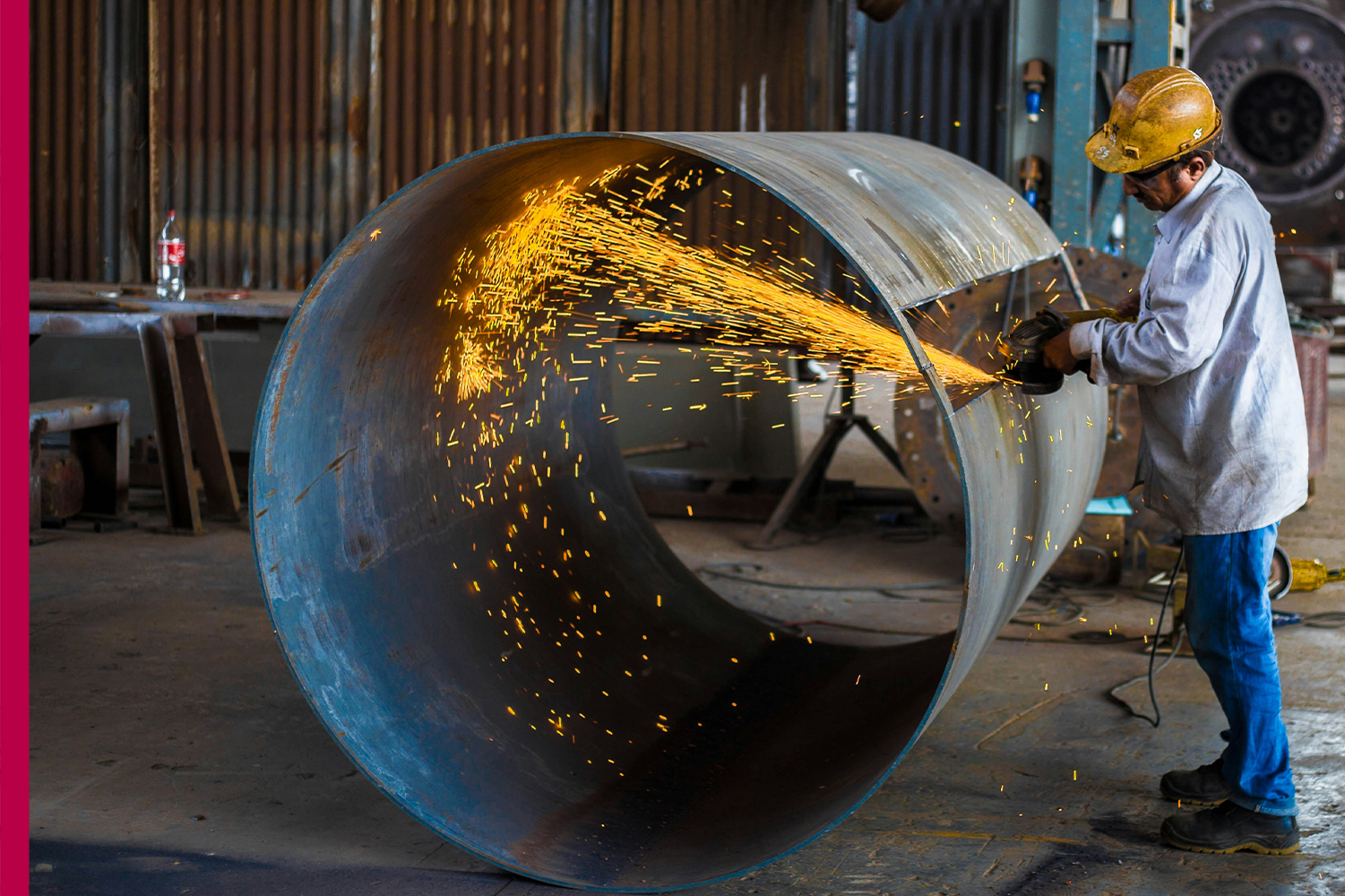
The use of sustainable construction materials also plays a key role. Developers are shifting toward recycled steel, low-carbon concrete, sustainably sourced timber, and non-toxic paints. By choosing materials with lower embodied carbon, projects reduce their overall environmental footprint. Additionally, modular construction techniques and prefabrication methods help minimize waste during the building process.
Smart technologies are transforming sustainable real estate further. Integration of Internet of Things (IoT) systems allows real-time monitoring of energy consumption, lighting, temperature, and security systems. Smart buildings can automatically adjust operations based on occupancy and usage patterns, maximizing efficiency and comfort. Organizations such as the World Green Building Council advocate for intelligent design strategies that support both sustainability and occupant well-being.
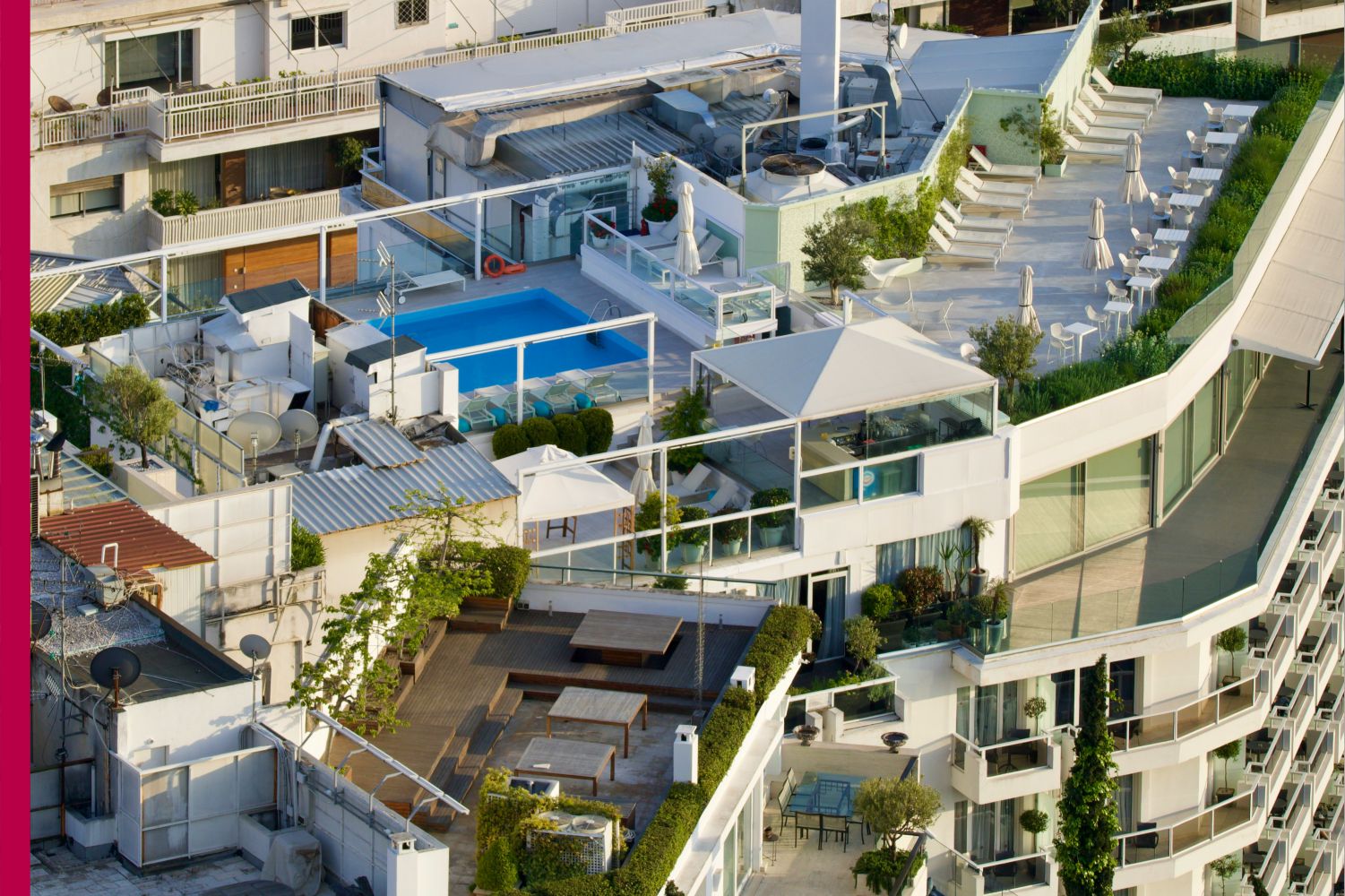
Beyond environmental factors, sustainable real estate development emphasizes social sustainability. Mixed-use developments that integrate residential, commercial, and recreational spaces promote walkability and reduce transportation emissions. Access to green spaces, improved air quality, and natural lighting contribute to healthier living environments. Inclusive planning that considers community needs fosters stronger social cohesion and long-term urban resilience.
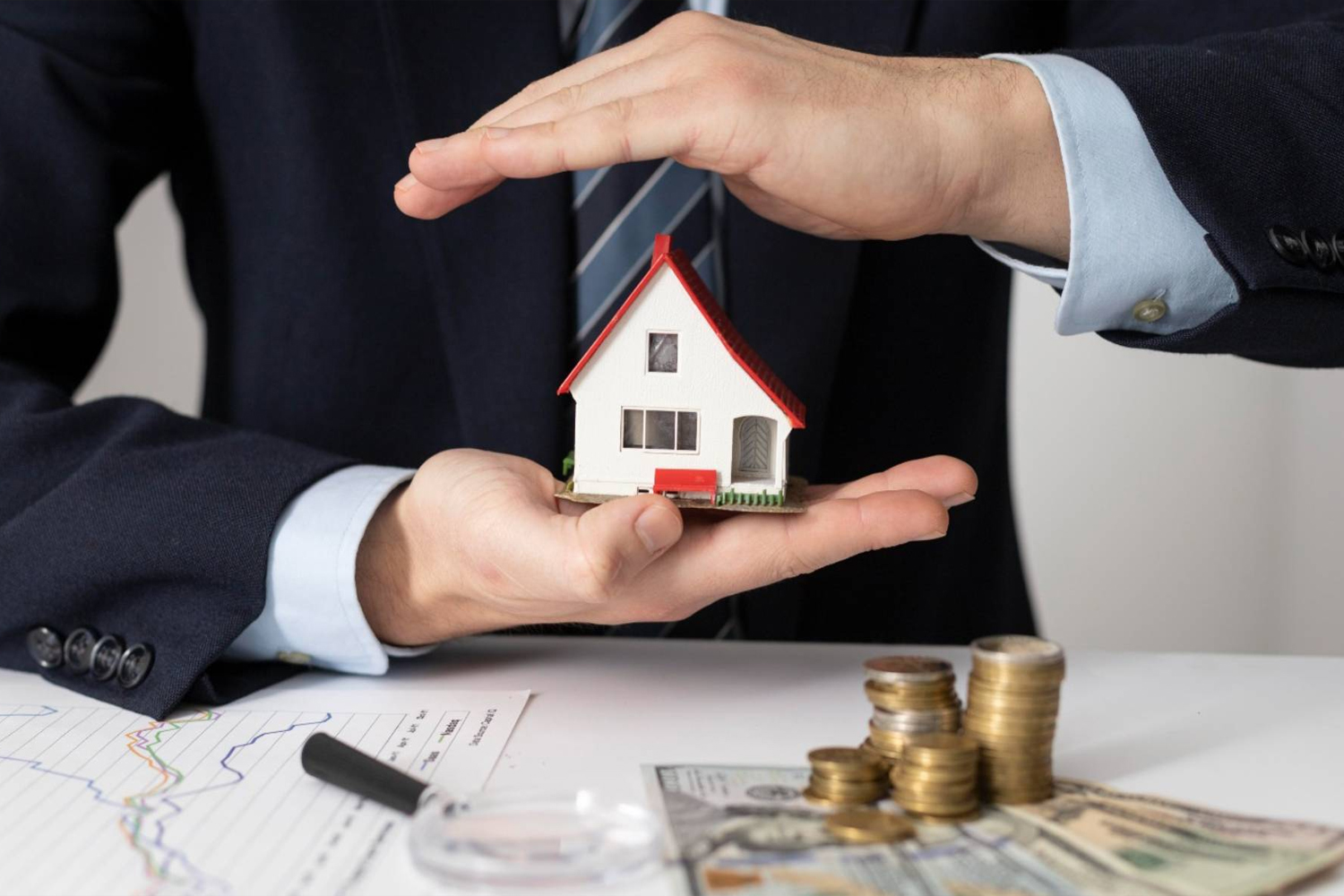
Despite its advantages, sustainable development may involve higher upfront costs due to advanced technologies and eco-friendly materials. However, these investments typically result in long-term savings through reduced utility expenses, increased property value, and enhanced tenant retention. Government incentives, tax benefits, and growing investor interest in Environmental, Social, and Governance (ESG) principles are further accelerating adoption.
In conclusion, sustainable real estate development represents a forward-thinking approach to urban growth. By integrating energy efficiency, water conservation, sustainable materials, smart technologies, and community-focused design, developers can create spaces that balance profitability with environmental stewardship. As cities continue to expand, sustainable real estate will be essential in building a resilient, low-carbon, and healthier future for generations to come.